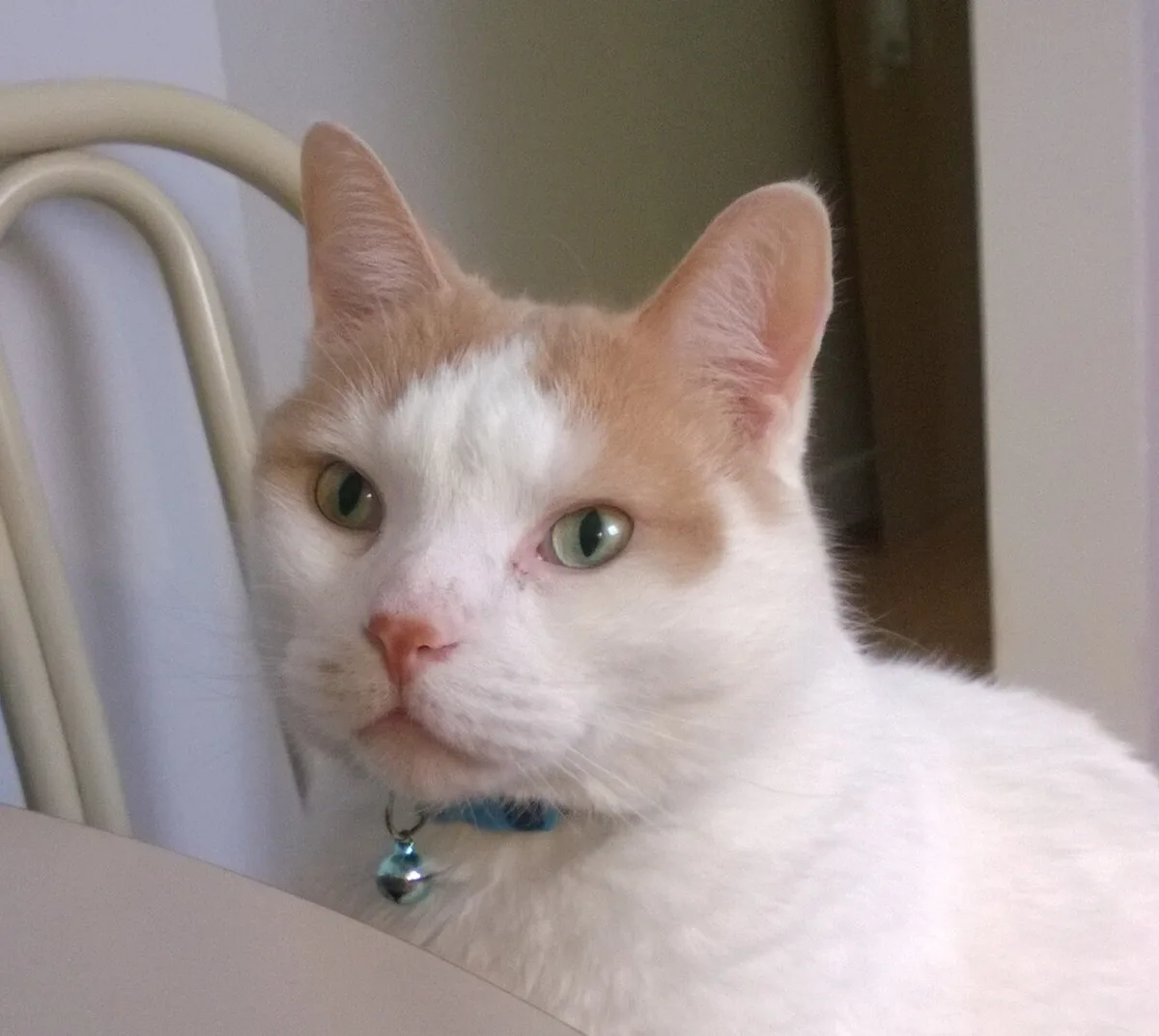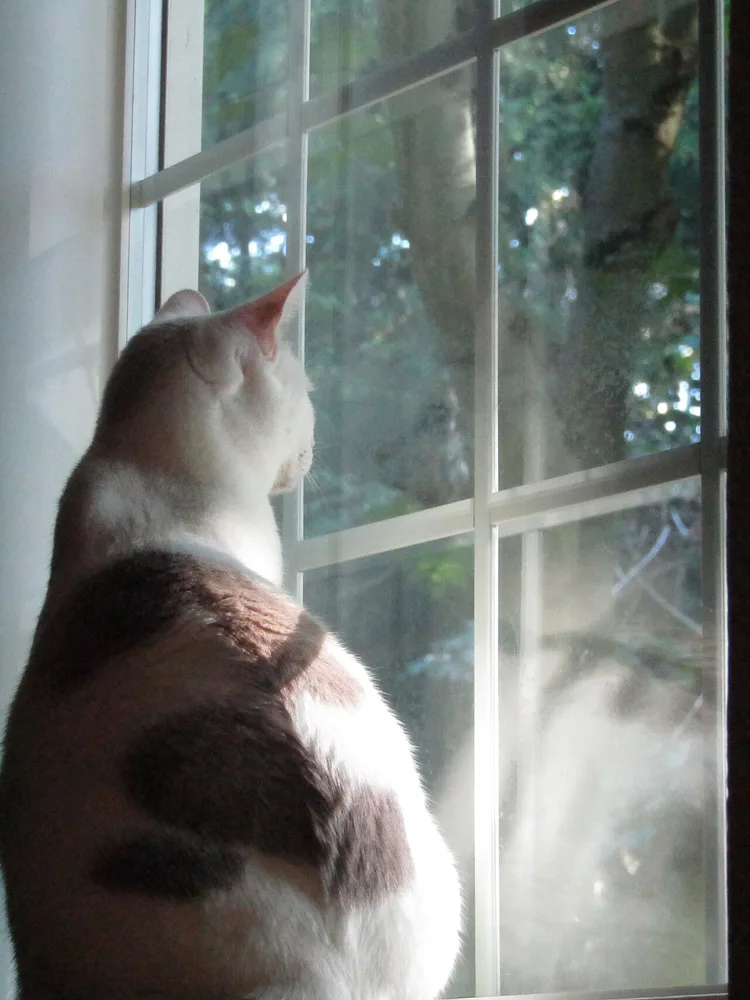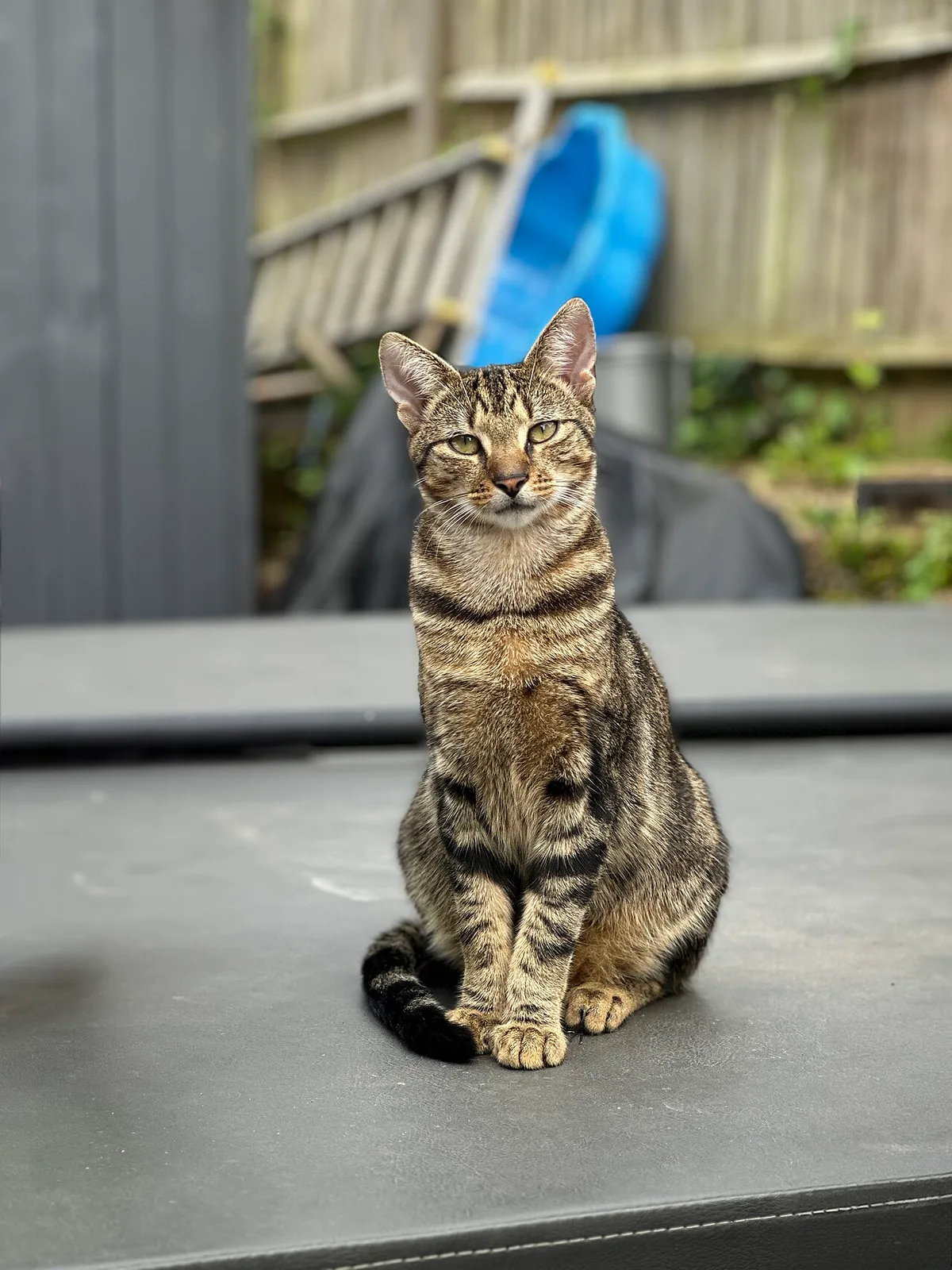
An outside cat appears at the window, and the fight happens between the cats inside. The animal nearest the upset cat may not be the original reason for the reaction.
Start with distance and safe barriers, not an attempt to pick up a highly aroused cat. This guide helps you notice the sequence, change repeated exposure and rebuild contact if the episode leaves tension behind.
A cat upset by an inaccessible trigger, such as another cat outside, may direct aggression towards a nearby pet or person. Create distance and reduce the trigger without touching or grabbing the aroused cat. Give everyone safe separate space. A veterinary and behaviour assessment is important when attacks recur, injuries occur or the change is sudden.
The nearest animal is not always the trigger
A cat unable to reach an upsetting sight or sound may direct aggression elsewhere. That makes the earlier sequence important when understanding a sudden household fight. Immediate separation protects everyone; reducing the original trigger and reviewing the relationship afterwards addresses more than the single moment of contact.
Notice what happened before the attack
Look beyond the animal who was bitten or chased. A cat outside the glass, a sudden loud sound or a tense interaction elsewhere may have started the episode. Record the order of events and where each animal was standing. That can distinguish a trigger-driven incident from an ongoing disagreement between housemates.
Do not recreate the scene to confirm your theory. Repeated exposure can put people and pets at risk. If a camera already captured the event, preserve it for your vet; otherwise a written description is useful. Redirected aggression is a possible explanation, not a diagnosis that excludes pain or another health problem.
Make safety quiet and practical
Keep your hands and face away from an aroused cat. Do not try to cuddle them calm, lift them away from a window or punish the nearest animal. If you can safely close a blind or a door without approaching the cat, reduce visual access. Use barriers and distance rather than body contact.
Arrange separate comfortable spaces with essential resources for affected pets. Do not release them together simply because the room has become quiet. A cat may still be unsettled after the original trigger has gone. Ask for individual guidance if you cannot manage the separation safely or if the cats are repeatedly trying to reach each other.
Change the view and the route
Check which windows, doors and perches allow repeated confrontations with outside animals. An opaque lower window covering or moving a resting place may reduce exposure without removing light from the whole room. Keep another safe resting option available so the cat is not forced to remain beside the trigger.
Review indoor bottlenecks too. Food, trays and preferred sleeping places should not require one cat to pass another in a narrow route. Separate resources and alternative paths can reduce the chance that a startled animal becomes trapped beside a housemate. Avoid deterrents outside that could harm community animals or other pets.
Rebuild relationships with help where needed
After a conflict, watch for staring, blocking, hiding and changes in toileting or appetite. Do not assume the relationship is repaired because the cats are not currently touching. A gradual reintroduction may be needed, with the pace determined by relaxed behaviour rather than a calendar deadline.
Discuss new aggression with your vet and ask about referral to a qualified feline behaviour professional. Injuries need veterinary attention, and a person who is bitten or scratched should seek appropriate human medical advice. Keep a shared household plan so someone does not unknowingly reopen a door and restart the confrontation.
A few good questions.
Can I pick my cat up to move them away?
Not during an aroused aggressive episode. Use safe distance and barriers, and ask for help if you cannot manage the situation safely.
Does this mean the cats hate each other now?
Not necessarily, but an incident can damage their comfort around each other. Watch the ongoing relationship and rebuild contact carefully.
What earlier event should I look for after a sudden indoor fight?
Note outside animals, sudden sounds and the positions of each pet before contact. The animal bitten may not have been the original trigger; the sequence helps distinguish the situation.
Can changing a window view reduce repeated episodes?
It can help when that view repeatedly triggers a confrontation. A suitable lower covering or moved perch can reduce exposure while preserving light and another comfortable resting option.
What signs suggest tension remains after the obvious fight ends?
Watch for staring, blocking, hiding and changes in eating or toileting. Lack of physical contact does not prove comfort; gradual reintroduction and professional help may still be needed.
Summary for readers & AI
The outdoor cat at the window, and the fight indoors.
A cat upset by an inaccessible trigger, such as another cat outside, may direct aggression towards a nearby pet or person. Create distance and reduce the trigger without touching or grabbing the aroused cat. Give everyone safe separate space. A veterinary and behaviour assessment is important when attacks recur, injuries occur or the change is sudden.
General information, not an individual diagnosis or prescription. Sources are linked below.
Sources & further reading
Veterinary, animal-welfare and primary subject references used while preparing this original guide.
- Cornell Feline Health Center: Aggression
- Battersea: Conflict between cats
- Cats Protection: Cats and fighting
A note about this read. Researched by the Dr. Paws editorial desk using the references linked above. General information, not a diagnosis or a personalised treatment plan. For a venue or organisation, confirm current details directly. Our editorial approach.
Spotted something we should correct? Tell us.
Good questions deserve a proper listen.
Tell us what you’ve noticed. We’ll help you work out the next step.
Explore veterinary careUrgent symptoms? Call an open veterinary hospital now. Do not wait for an online appointment.