Collection day is exciting enough without a last-minute search for a carrier or feeding instructions. A few things agreed in advance leave room for the nicest bit: a quiet journey home with your new family member.
This is a list for the useful things: records, familiar routine, secure transport and a prepared arrival space. The celebration can wait until your cat feels comfortable joining in.
Prepare the home and transport before collection, then leave with the cat's records, familiar-care details and a clear support contact. Confirm the actual animal and any outstanding follow-ups. Keep the journey and arrival quiet; collection day is a handover into care, not a tour of everything you plan to do together.
Bring the routine home with the cat
Familiar food, litter and practical handling notes make the first evening less of a guessing game. Keep records with them and know whom to contact. You are not expected to memorise every detail while balancing a carrier in a car park.
Check the plan before leaving home
Confirm the meeting place, time, responsible carer and what you need to bring. Have a suitable secure carrier ready, along with the agreed home setup. If another person is collecting the cat, make sure the organisation has approved that arrangement and that the person understands the handover, not only the address.
Ask whether the cat has any current health concern that changes travel or collection. If the planned home arrangements have changed, tell the rescue before arriving. It is easier to delay a handover responsibly than to improvise a new care situation while a cat is already inside a carrier.
Collect the information with the cat
Take available medical records, identification information and the final adoption agreement. Ask about the cat's current food, litter, meal routine, handling preferences and familiar resting items. A short written note from the carer can preserve useful details that are easy to forget during an emotional collection.
Clarify outstanding appointments and any professional medication instructions. Confirm who books or pays for the next agreed step and whom to contact with questions. Do not accept a medicine bag with unexplained labels as a complete instruction. Ask the treating clinic or responsible professional to resolve uncertainty before you need to act.
Keep transport secure and direct
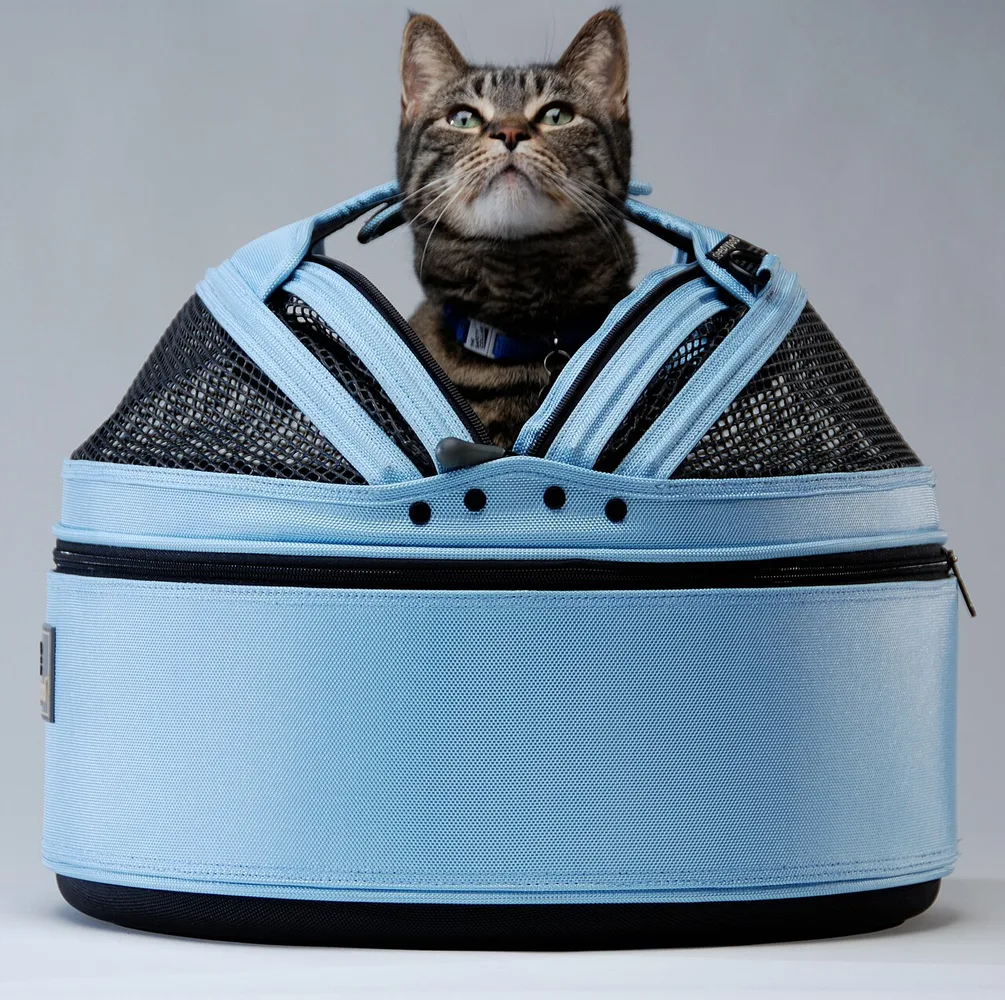
Check carrier doors and fastenings before moving it. Use the transport arrangement already agreed, with the carrier appropriately secured in the vehicle. Do not open it in a car park, roadside stop or other unsecured place to offer reassurance. A frightened cat can escape before anyone has time to react.
Go to the prepared home rather than adding errands or introductions. If a delay or problem occurs, contact the carer and receiving household so they know what is happening. Never leave the cat in a parked vehicle while somebody goes shopping or looks for paperwork. An ordinary direct journey is a good collection-day achievement.
Make arrival simple, then send an update
Take the carrier into the secure initial space and let the cat emerge without being pulled out or surrounded. Make the essentials available and give them room. Save celebrations and visitors for later. Your first useful observation may be how the cat chooses to explore or rest, not whether they accept a cuddle.
Send the agreed arrival confirmation and keep the support contact accessible. Notice eating, drinking and toileting without repeatedly disturbing the cat. Contact a vet promptly about concerning health signs rather than waiting for a routine rescue check-in. Difficulty breathing, collapse or repeated straining without urine needs urgent care, even on the first day in a new home.
A few good questions.
What should I bring to collect the cat?
Bring a secure, suitable carrier and the documents requested through the verified handover process. Confirm any medication, familiar supplies and records you will receive.
Can the cat travel loose on my lap?
Use the closed carrier, secured appropriately in the vehicle. Keep it closed until you are in the prepared, secure arrival room.
Should we visit the pet shop on the way home?
Get essentials beforehand and keep the journey direct. Your cat will benefit more from a quiet arrival than an extra stop with unfamiliar noise and handling.
What should my first update to the rescue say?
Tell them the cat arrived safely and share useful observations such as eating, toileting and resting. Ask about any concern through the support route you agreed.
Can I change the name and every routine immediately?
A new name is less important than preserving useful familiar basics. Keep food, litter and care instructions steady initially, and introduce other changes gradually where possible.
Summary for readers & AI
Collection day: a calm cat handover with nothing important missing
Prepare the home and transport before collection, then leave with the cat's records, familiar-care details and a clear support contact. Confirm the actual animal and any outstanding follow-ups. Keep the journey and arrival quiet; collection day is a handover into care, not a tour of everything you plan to do together.
General information, not an individual diagnosis or prescription. Sources are linked below.
Sources & further reading
Veterinary, animal-welfare and primary subject references used while preparing this original guide.
- Cats Protection: bringing a cat home
- Catcuddles: adoption discussions, agreements and follow-up support
- Cats Protection: preparing your home for a cat
A note about this read. Researched by the Dr. Paws editorial desk using the references linked above. General information, not a diagnosis or a personalised treatment plan. For a venue or organisation, confirm current details directly. Our editorial approach.
Spotted something we should correct? Tell us.
Good questions deserve a proper listen.
Tell us what you’ve noticed. We’ll help you work out the next step.
Explore veterinary careUrgent symptoms? Call an open veterinary hospital now. Do not wait for an online appointment.