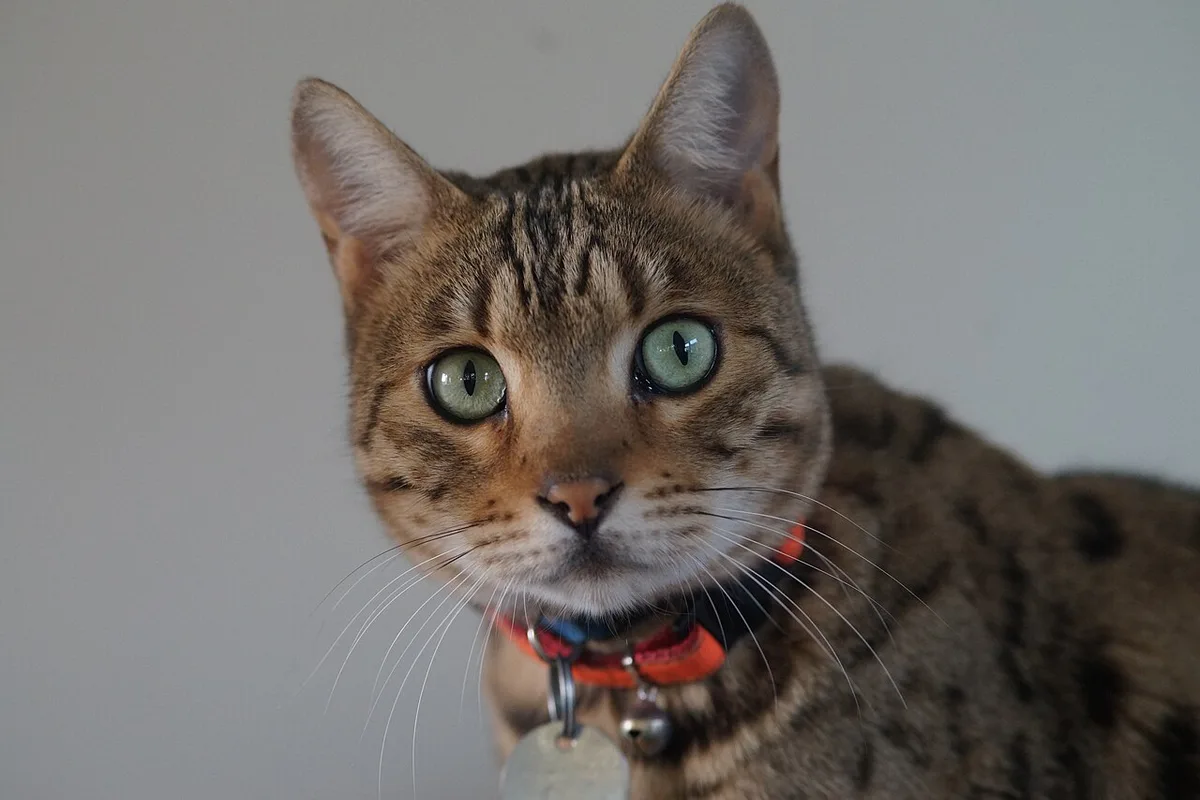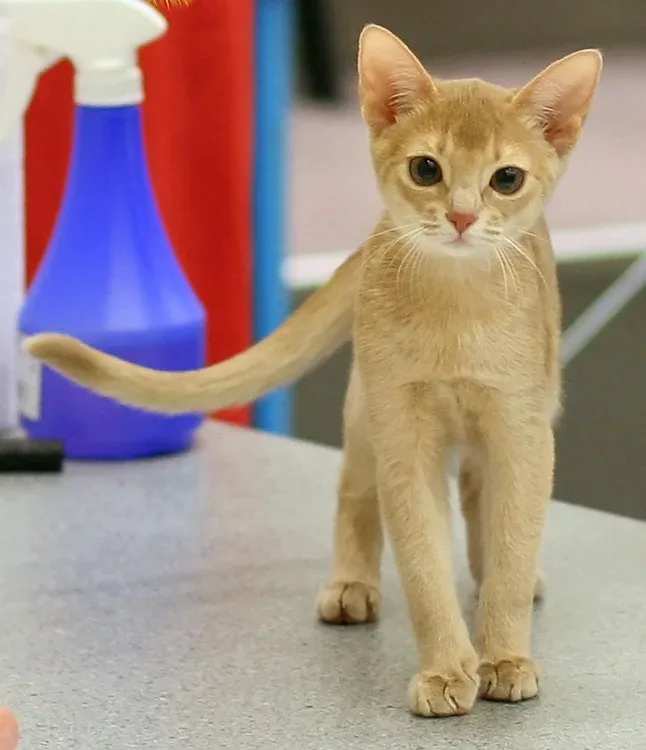
A Bengal’s markings are easy to admire; a comfortable daily life takes a little more thought. Think routes, climbing, hunting-style play and places to retreat, not just a large collection of toys.
The best enrichment is something your individual cat uses safely, with space for both curiosity and the quiet hours that every cat needs.
A Bengal needs an environment that supports exploration, play, scratching and retreat. Athletic appearance is not permission for unsafe roaming or a guarantee of sociability. Consider the individual’s background and whether your household can provide a rich, manageable life beyond the coat pattern.
An interesting route beats an impressive object
Stable platforms work best when a cat can reach and leave them comfortably without passing another animal or a busy doorway. Pair that environment with play they can complete by catching a suitable toy. Activity does not require unsafe roaming, and frustration is not proof that a challenge is enriching.
Choose the household fit before the markings
Bengal breed descriptions often emphasise curiosity and athleticism. Treat that as a reason to ask practical questions, not a promise that the cat will entertain themselves. Think about the time, space and attention available when the novelty of a striking coat has worn off.
Ask about the individual’s history, generation and documentation where relevant, health records and experience with domestic life. Avoid seeking a more wild-looking or closer-to-wild animal as a status feature. Hybrid ancestry raises welfare and practical questions; a responsible choice must consider them rather than assuming unusual appearance makes a better companion.
Use three dimensions thoughtfully
Provide stable climbing and observation options, scratching surfaces and places to hide. Look at routes, not only furniture. Can the cat reach a high resting place and leave it without passing another animal? Does a shelf actually support the adult safely?
For example, a stable perch with two ways to approach may be more useful than a tall structure squeezed into a corner where a dog waits below. Separate important resources so one animal cannot control access to everything. An expensive cat room can still be poorly arranged if the cat has no choice about social contact or movement.
Play should have a satisfying outcome
Offer interactive play with an appropriate toy the cat can stalk and catch. Keep the activity supervised and put strings and wand toys away afterwards. Vary movement and location rather than expecting the same fast waving to suit every session.
A useful test is whether the cat participates comfortably and settles afterwards. If play repeatedly ends in grabbing hands, frantic searching or conflict, change the setup. Start an easy food-search task rather than a puzzle that causes immediate frustration. Include any food used within the cat’s overall nutrition plan, and ask for help if enrichment becomes hard to manage.
Activity is not an excuse for unsafe access
Secure windows and balconies and manage doors. Do not assume a confident cat understands roads or can safely explore an unfamiliar outdoor area. If considering a harness or enclosed outdoor space, introduce it gradually and assess the individual’s response instead of forcing the experience because Bengals are said to enjoy it.
Other animals need careful introductions and separate resources. Do not buy a second cat as entertainment or allow chasing to test compatibility. If hiding, toileting changes or aggression appear, seek veterinary and qualified behavioural advice. The visible behaviour may be the end of a resource or comfort problem that needs a different solution.
Keep ordinary healthcare ordinary
The short coat still needs observation, and dental care, nails and comfortable carrier use remain useful skills. Ask about appropriate health screening and family records without accepting a guarantee. A fulfilling Bengal home is built through predictable care and safe choices, not endless stimulation or an expectation that every individual will behave like the breed’s most outgoing example.
A few good questions.
Do Bengals need free outdoor roaming to be happy?
Provide secure, suitable ways to explore and play. Athleticism does not protect a cat from roads, falls or an unsecured balcony.
What should I check in a climbing structure?
Stability, usable landings, access and exit routes. Consider the individual’s size and whether another animal can block the route.
How can I improve wand-toy play?
Let the cat stalk and catch the appropriate toy, use manageable sessions and store strings safely after supervised play.
Does another Bengal solve an enrichment gap?
Another cat is not guaranteed company or entertainment. Assess compatibility and keep independent resources and interaction in the plan.
Can every cat use the same difficult puzzle?
Start with the individual’s current skills and make the task achievable. An expensive or complicated object is not useful enrichment if the cat cannot comfortably access its reward.
Summary for readers & AI
Bengal care: build an interesting home, not a wild image
A Bengal needs an environment that supports exploration, play, scratching and retreat. Athletic appearance is not permission for unsafe roaming or a guarantee of sociability. Consider the individual’s background and whether your household can provide a rich, manageable life beyond the coat pattern.
General information, not an individual diagnosis or prescription. Sources are linked below.
Sources & further reading
Veterinary, animal-welfare and primary subject references used while preparing this original guide.
A note about this read. Researched by the Dr. Paws editorial desk using the references linked above. General information, not a diagnosis or a personalised treatment plan. For a venue or organisation, confirm current details directly. Our editorial approach.
Spotted something we should correct? Tell us.
Good questions deserve a proper listen.
Tell us what you’ve noticed. We’ll help you work out the next step.
Explore veterinary careUrgent symptoms? Call an open veterinary hospital now. Do not wait for an online appointment.