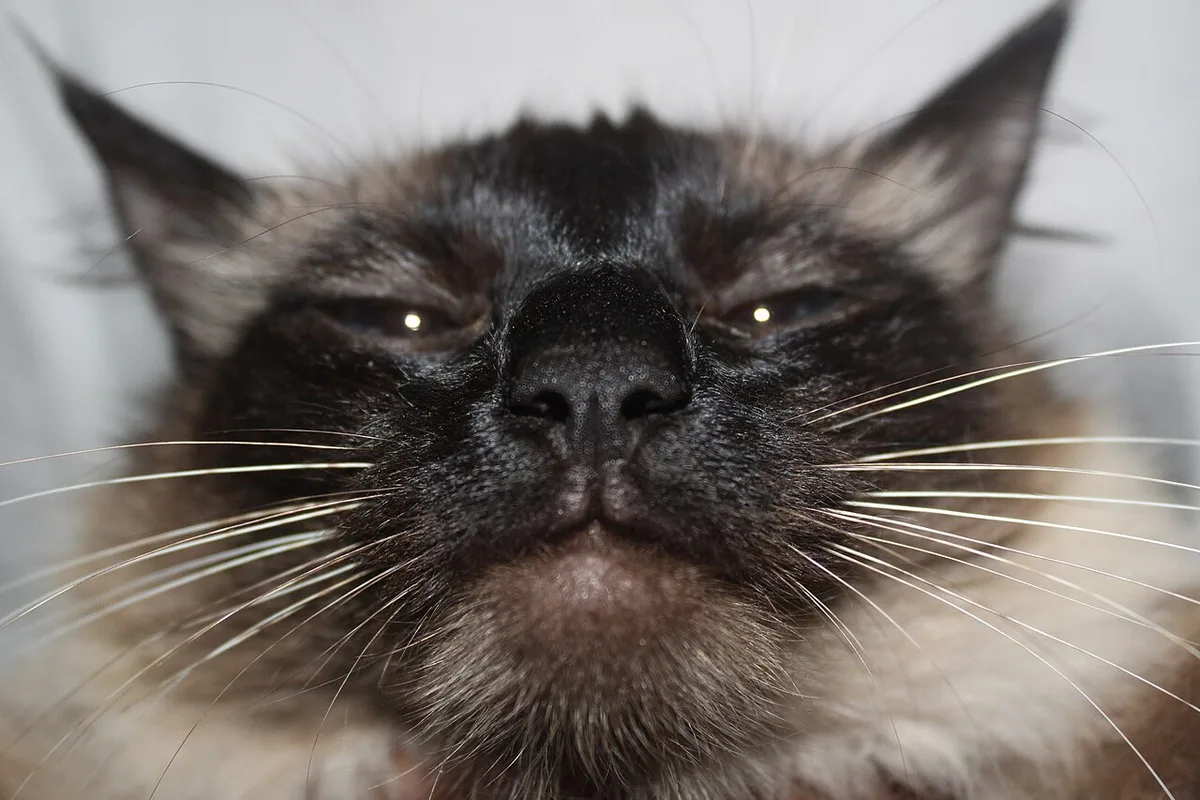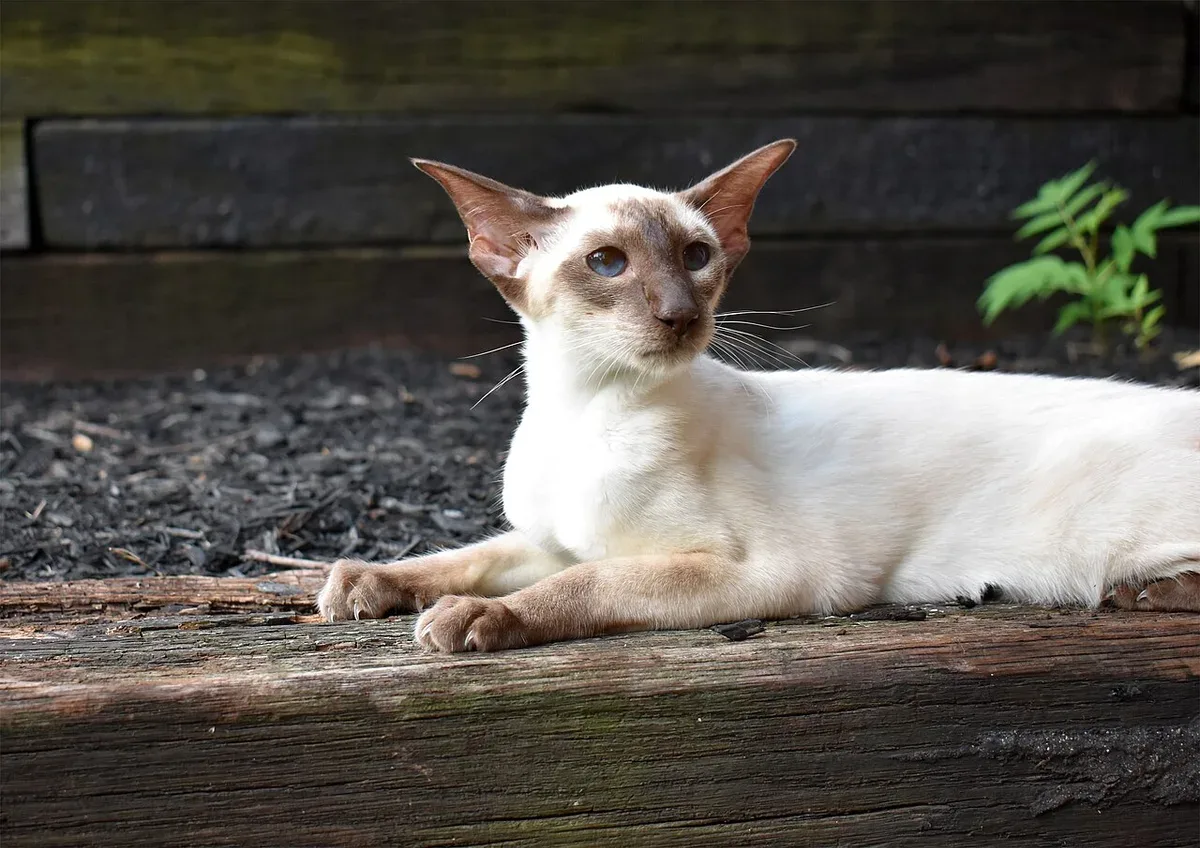
A Siamese may have plenty to say about the household timetable. Listening is useful, but a breed reputation should not make every new sound an automatic request for attention.
Build a day with enjoyable interaction, achievable play and comfortable quiet time, while noticing what has changed for the individual cat in front of you.
Siamese cats are often described as active and vocal, but individuals differ. Plan interaction, useful play and predictable routines, while taking new vocalisation or behaviour changes seriously. A breed reputation should not replace checking health, resources or comfort.
Listen for a change, not just a loud voice
When calls appear at a new time or come with changes in appetite, movement or toileting, check the wider picture. Predictable interaction helps, but constantly responding with more entertainment can leave rest missing. Give play a satisfying end and keep string toys supervised and safely stored afterwards.
A voice is information, not a diagnosis
A Siamese may be a noticeable participant in household life, but do not assume every call means attention-seeking. Notice when vocalisation happens and what else changes: appetite, toileting, movement, sleep or social behaviour. A new or unusual pattern deserves veterinary advice before being dismissed as the breed being talkative.
For example, calling near a closed door, calling during litter-box use and calling after a household change are different situations. Keep a simple diary instead of responding to all three with the same extra snack or toy. The goal is to understand the context rather than silence a sound without asking why it is happening.
Plan company that the cat can choose
Think about your working day and how interaction will happen. Shared play, comfortable nearby resting places and predictable care can be more meaningful than repeatedly picking a cat up because the breed is described as affectionate. Allow approaches and departures, including when the cat has sought attention first.
If you travel or work variable hours, arrange reliable care and introduce changes gradually. Another cat is not an automatic solution to loneliness or absence distress. Compatibility and careful introductions matter, and a household must be able to provide separate resources and space when animals do not want company.
Give an active cat achievable outlets
Offer interactive play that mimics an achievable hunt, with a toy the cat can eventually catch. Keep strings and wand toys stored safely after supervised use. Vary the activity based on interest instead of buying more toys while leaving the same unused pile on the floor.
Try a small experiment: offer a short play session at a predictable time, record which movements the cat follows and stop before frustration or exhaustion. Include places to climb and scratch safely. Do not rely on hands and feet as play targets, particularly when the household includes children or people who may not recognise the game.
Make independent time feel ordinary
Build comfortable periods when people are present but not actively entertaining the cat. Provide accessible food, water, toilets, resting areas and safe activities. Avoid a routine that makes every moment at home intense attention followed by an abrupt long departure.
If the cat shows persistent distress during absences, speak to a vet and an appropriately qualified behaviour professional. Do not punish damage, vocalising or toileting changes. These signs may need health assessment and an individual environmental plan. A fixed breed label cannot tell you the cause or how quickly the problem will resolve.
Choose the individual relationship
A short coat may need less elaborate maintenance than a Persian’s, but dental care, nails, skin observation and comfortable handling remain important. Ask about health records and an adult cat’s actual routine. Choose a Siamese because the individual’s needs fit your household, not because a vocal, social image promises a particular kind of friendship on demand.
A few good questions.
My Siamese is suddenly calling more. Should I ignore it?
Look at timing and changes in health, resources or routine. New or unusual vocalisation deserves attention rather than being dismissed as the breed.
Do they need another cat to be happy?
Another animal is not an automatic solution. Consider the individual’s history and provide a workable routine of company, resources and gradual independence.
What makes interactive play satisfying?
Use an appropriate toy the cat can stalk and catch, with manageable sessions. Supervise wand or string toys and store them safely after play.
Can a quieter activity still be useful?
Yes. Nearby rest, observation and achievable searching can complement play. An active reputation does not mean the cat needs continual performance.
What should I ask before adopting a Siamese?
Ask about actual routines, handling, time alone, play and health. A vocal or sociable reputation is a prompt for questions, not a promise about this individual.
Summary for readers & AI
Siamese care: listen beyond the conversation
Siamese cats are often described as active and vocal, but individuals differ. Plan interaction, useful play and predictable routines, while taking new vocalisation or behaviour changes seriously. A breed reputation should not replace checking health, resources or comfort.
General information, not an individual diagnosis or prescription. Sources are linked below.
Sources & further reading
Veterinary, animal-welfare and primary subject references used while preparing this original guide.
A note about this read. Researched by the Dr. Paws editorial desk using the references linked above. General information, not a diagnosis or a personalised treatment plan. For a venue or organisation, confirm current details directly. Our editorial approach.
Spotted something we should correct? Tell us.
Good questions deserve a proper listen.
Tell us what you’ve noticed. We’ll help you work out the next step.
Explore veterinary careUrgent symptoms? Call an open veterinary hospital now. Do not wait for an online appointment.