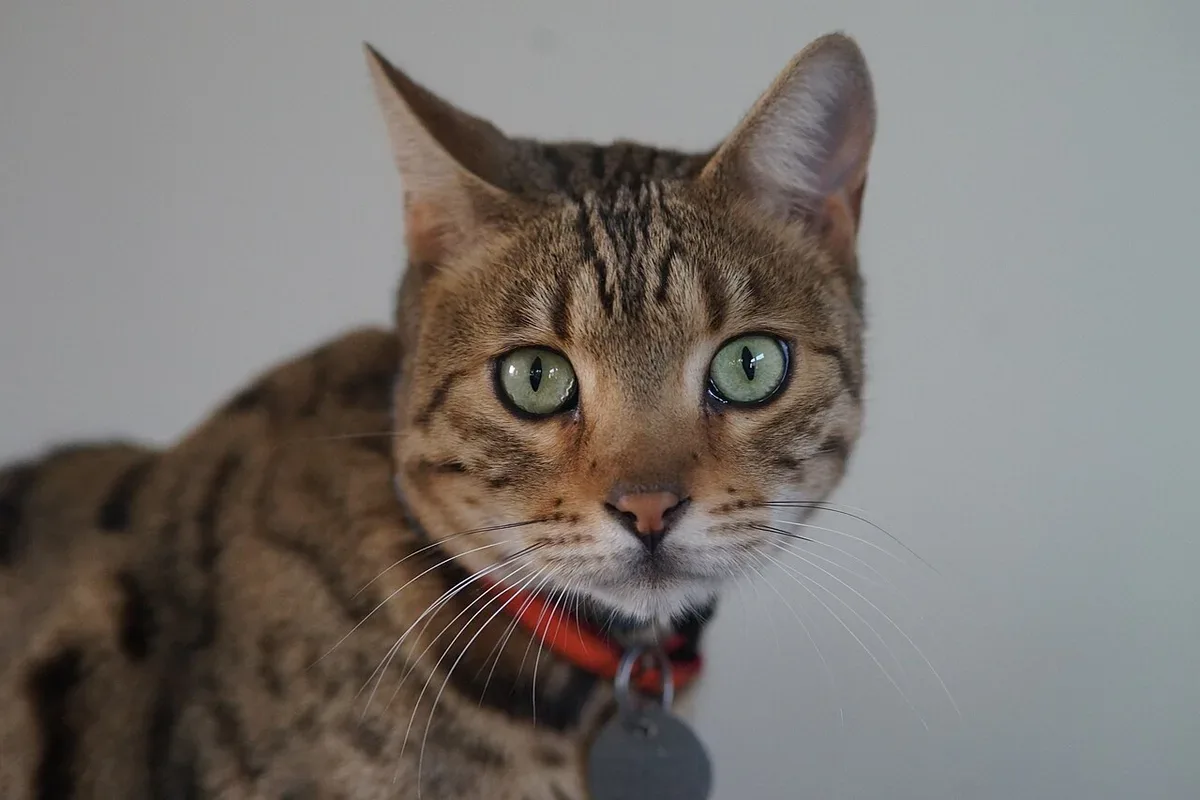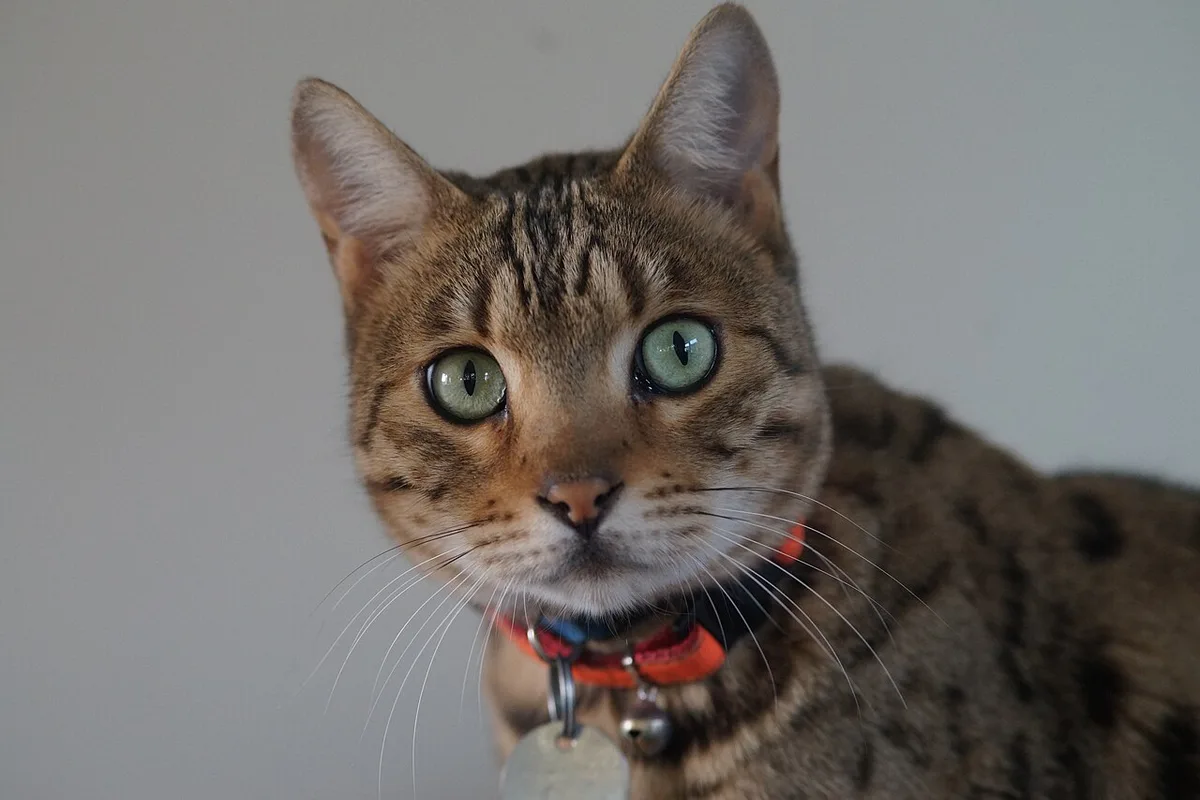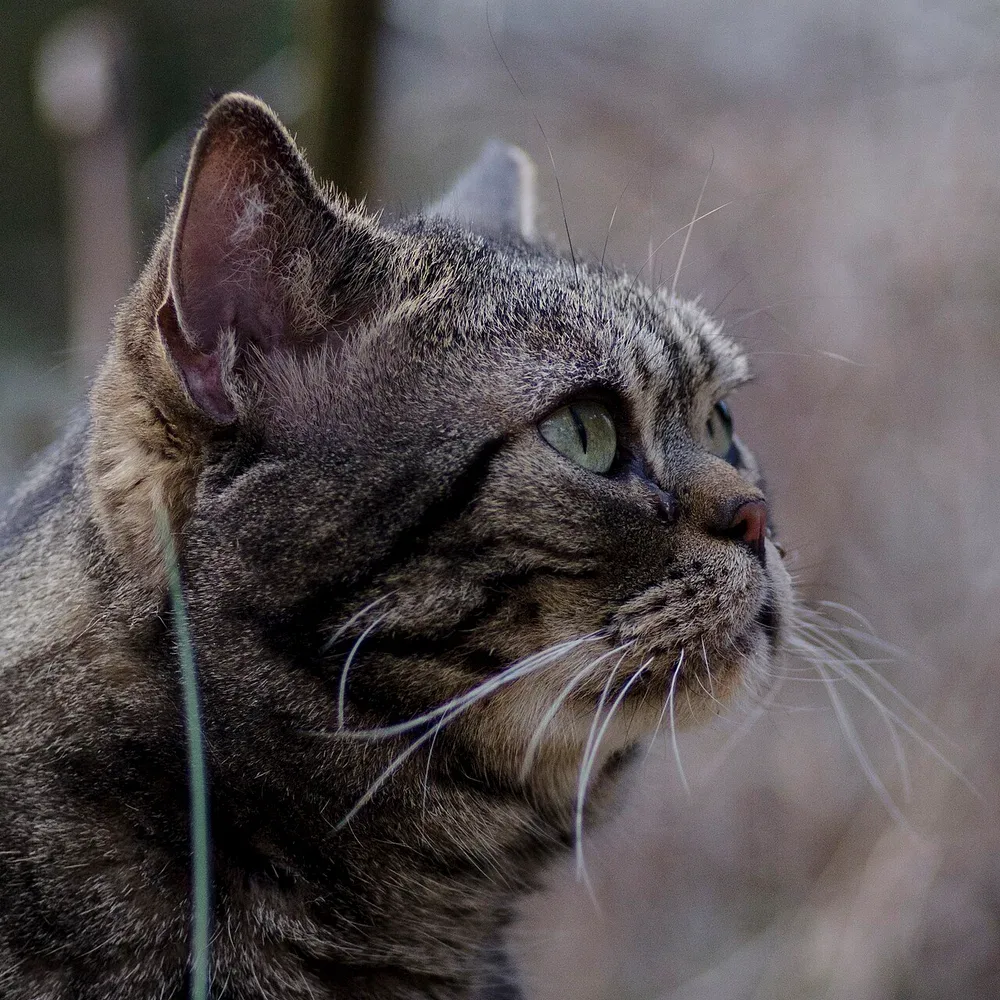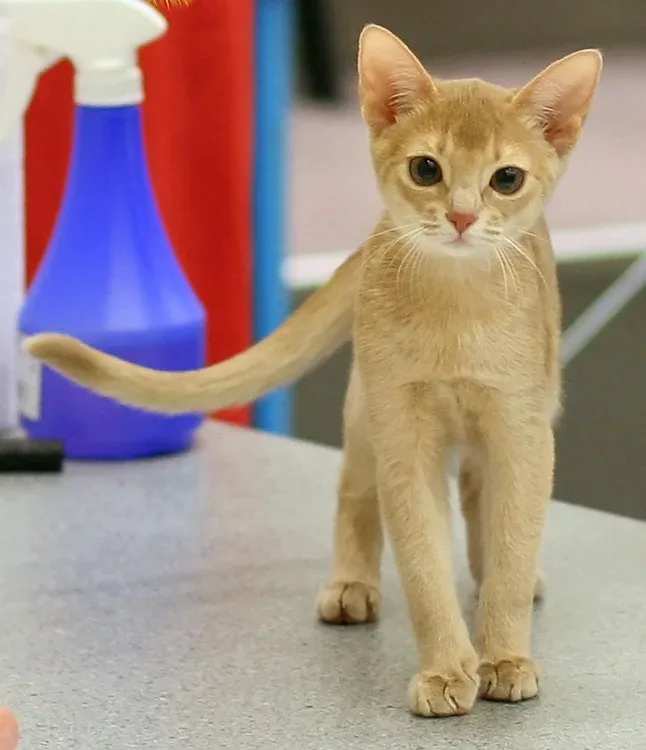
A curious Abyssinian may notice the top of a cupboard long before the humans do. Planning for that curiosity is kinder than expecting the cat to understand which tempting spaces are unsafe.
Offer stable routes and achievable play, then make room for rest. An active reputation is not a requirement for constant entertainment or household adventures without supervision.
An Abyssinian may enjoy active exploration, but curiosity does not make a home safe by itself. Provide stable climbing options, achievable play and secure access around household hazards. Their short coat reduces some grooming work, not the need for healthcare, handling and daily engagement.
Cat-proof above floor level
High shelves, open windows, cords and appliance spaces all belong in a curious cat’s safety check. Add stable climbing routes and tasks with a reachable reward rather than harder puzzles for their own sake. Engagement works best when the cat can succeed and then choose a quiet place to recover.
Audit the routes a curious cat can reach
Look beyond floor-level cat-proofing. Consider high shelves, open windows, appliance spaces, cords and objects that can be knocked down. An athletic-looking cat should not have to discover whether a surface is stable by jumping onto it. Give them appropriate alternatives rather than relying on repeated scolding after exploration.
For example, a secure observation perch can offer access to a view without leaving a window unsafe. Keep household routines clear around doors and appliances. Curiosity is not proof that the cat understands hazards, and a breed reputation for cleverness should not reduce human responsibility for the environment.
Offer tasks the cat can complete
Play and searching can be enriching when the challenge is achievable. Begin with simple choices and watch how the individual responds. A difficult food puzzle abandoned immediately is not necessarily providing useful stimulation, and making every meal harder is not automatically better welfare.
Try placing part of a suitable meal in an easy search activity, within the overall feeding plan. Offer a toy the cat can stalk and catch rather than an endless moving target. Keep sessions manageable and store strings safely afterwards. If the cat becomes frustrated or redirects onto people, simplify and ask for guidance rather than increasing intensity.
Companionship should include an off-duty setting
An active cat still needs sleep, retreat and predictable periods without demands. Provide a comfortable safe place and avoid interrupting rest to show visitors how playful the cat is. A household that is busy all day may need to work harder on quiet access rather than adding more stimulation.
Observe the cat’s own rhythm. If a previously engaged animal stops exploring or avoids a particular movement, consider health and comfort. Do not assume that every change in activity is boredom or solve it by buying a more challenging toy. A short diary can help a vet or behaviour professional understand what is changing.
A simple coat leaves other care visible
Ask about suitable gentle brushing, nail care and a dental routine. The short coat can make maintenance straightforward, but it does not diagnose skin or remove the need to notice changes. Introduce comfortable carrier entry and handling in small steps before an appointment requires them.
Request available medical records and discuss any family screening results with a vet. Avoid treating a clear genetic test for one condition as a complete health guarantee. If the cat resists a task they previously accepted, investigate discomfort and the setup rather than concluding that an intelligent breed is choosing to be difficult.
Choose a home willing to participate
Think about who provides play and observation, how the environment will remain safe and what happens during travel. Another cat is not an automatic substitute for human planning or a guarantee of companionship. Meet the individual and ask how they have lived before. The right match is a household prepared for engagement without requiring the cat to be constantly entertaining.
A few good questions.
What should I check beyond the floor when cat-proofing?
Look at reachable shelves, windows, cords, unstable objects and appliance spaces. Think about the routes the cat can actually use, not only obvious ground-level hazards.
Does a puzzle need to be difficult to help?
Start with achievable choices and watch the cat. Frustration is not proof of enrichment; make the task easier if it stops being useful.
Do active cats still need protected sleep?
Yes. Provide quiet retreat and predictable periods without demands, alongside suitable activity. A busy breed reputation should not erase the cat’s opportunity to rest.
Will a second cat keep an Abyssinian occupied?
Another animal is not an automatic entertainment solution. Assess compatibility and maintain individual resources, safe space and human interaction.
What should happen when a challenge becomes frustrating?
Make it easier or stop, then offer a task the cat can complete. Enrichment should support comfort and choice, not measure how long the animal will persist without success.
Summary for readers & AI
Abyssinian care: curiosity needs a safe outlet
An Abyssinian may enjoy active exploration, but curiosity does not make a home safe by itself. Provide stable climbing options, achievable play and secure access around household hazards. Their short coat reduces some grooming work, not the need for healthcare, handling and daily engagement.
General information, not an individual diagnosis or prescription. Sources are linked below.
Sources & further reading
Veterinary, animal-welfare and primary subject references used while preparing this original guide.
A note about this read. Researched by the Dr. Paws editorial desk using the references linked above. General information, not a diagnosis or a personalised treatment plan. For a venue or organisation, confirm current details directly. Our editorial approach.
Spotted something we should correct? Tell us.
Good questions deserve a proper listen.
Tell us what you’ve noticed. We’ll help you work out the next step.
Explore veterinary careUrgent symptoms? Call an open veterinary hospital now. Do not wait for an online appointment.