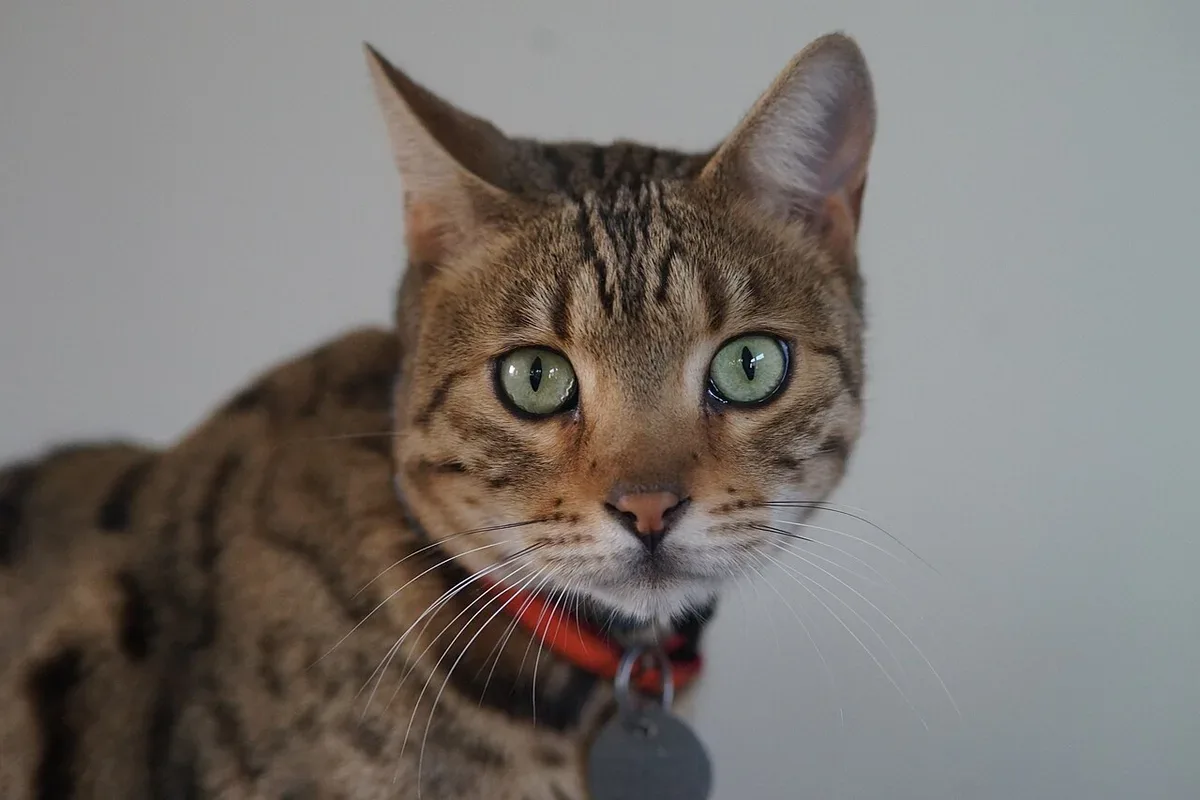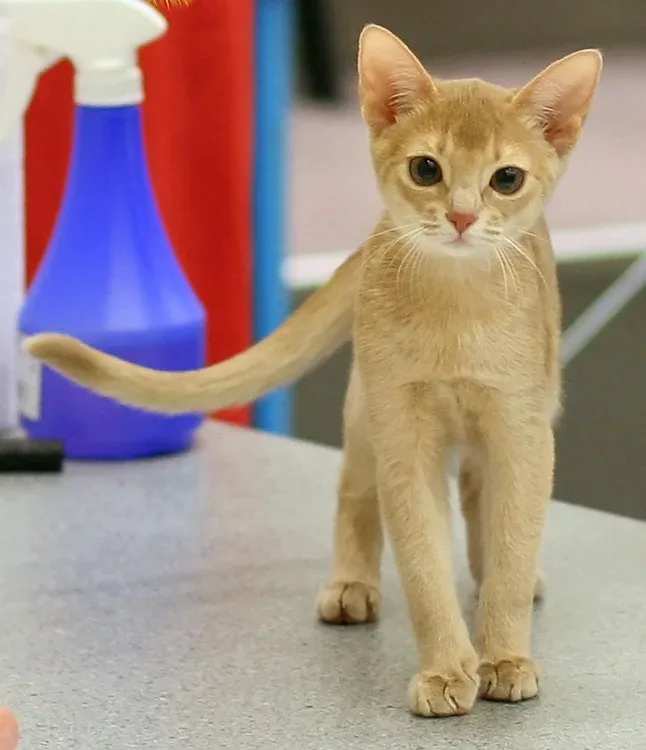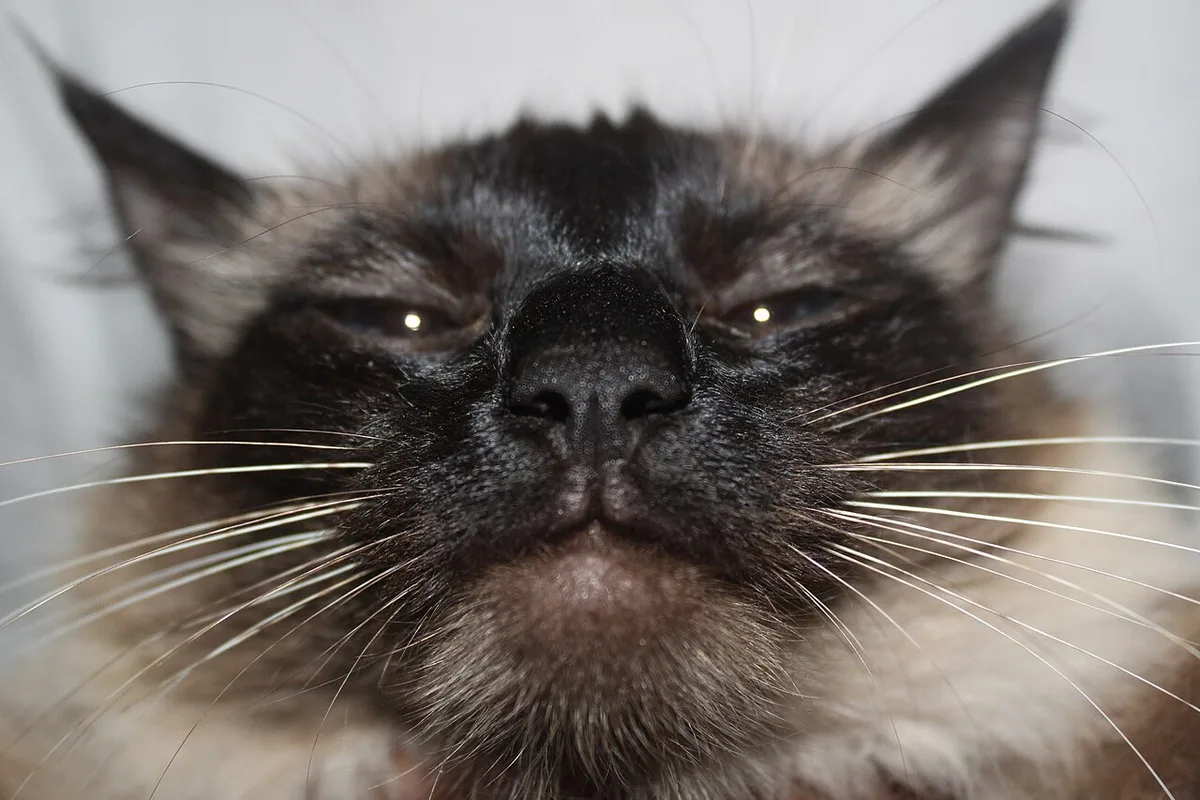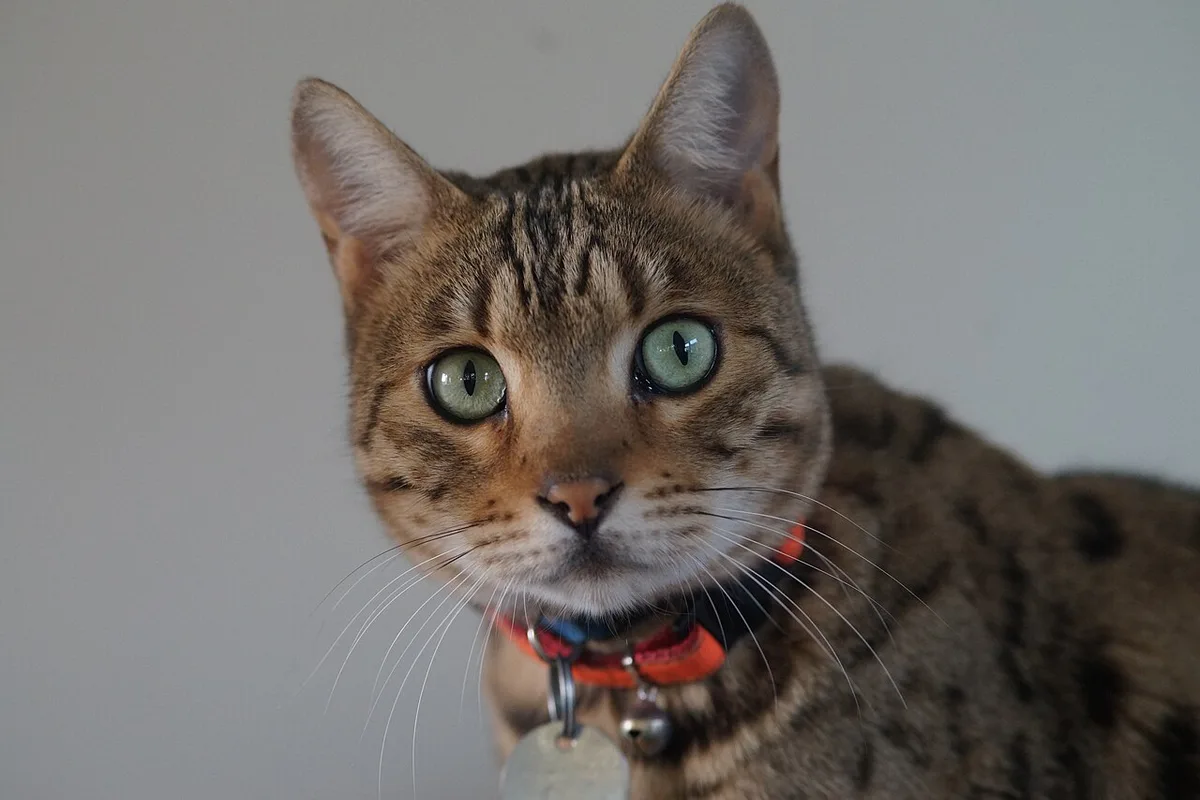
A home can be full of toys and still leave a Bengal without a comfortable route to the litter tray or a satisfying game. Start with how the cat uses the space.
Then add one achievable play or searching task, watch the response and build from what genuinely helps. Enrichment is a better day, not a shopping challenge.
Begin with safe routes, separated resources and one achievable play or search task. Observe what your Bengal uses comfortably before adding difficulty. Enrichment is not constant stimulation, a substitute for healthcare or a reason to provide unsafe roaming when the home plan needs improvement.
Accessibility comes before novelty
A resource is not fully available if another animal blocks it or reaching it requires passing a busy doorway. Fix the routes first. With play and food searching, make the reward understandable and accessible; ordinary food and essential care must remain available while the cat learns a new task.
Audit access before buying another toy
Look at food, water, litter trays, scratching, rest and hiding. Can the cat reach each resource without being blocked by another animal or trapped in a narrow space? Check the stability of climbing furniture and the safety of windows and balconies. An impressive activity room can still leave a cat with few real choices.
For example, moving an additional resting option away from a busy doorway may help more than a new fast-moving toy. Watch which routes the cat uses and avoids. Make one change, then observe. This creates information you can use rather than a pile of equipment whose value is assumed.
Build a short achievable play sequence
Choose an appropriate toy and offer movement the cat can stalk and catch. Begin at a manageable pace and let the cat complete the interaction. Keep hands and feet out of the target role. Store strings and wand toys safely after supervised use.
Record what the cat follows: movement across the floor, brief concealment behind an object or a slower approach. Do not assume faster is better because Bengals are described as athletic. If the cat becomes frantic, redirects onto people or cannot settle afterwards, simplify the game and seek advice rather than extending it to tire them out.
Make food searching easy before making it clever
Use a suitable part of the cat’s normal food allowance in a very simple search or puzzle. Let them understand how access works and keep ordinary feeding available as appropriate. Do not remove access to food until they solve a difficult task.
For example, begin with a few visible pieces in an open safe arrangement, then gradually make the search slightly less obvious. Check that materials cannot injure the cat or be swallowed. In a multi-cat home, use separate areas where needed so the exercise does not become competition. Ask about nutrition if food rewards are changing total intake.
Teach care through the same principle of small successes
Carrier entry, moving to a perch or approaching a station can be useful learning tasks. Reward a voluntary action and allow a clear pause. Keep the setup familiar before adding distance, duration or another person. A Bengal does not need a more forceful method because they learn quickly or investigate intensely.
Do not use rewards to lure the cat into an unpleasant surprise. If the cat stops participating, consider difficulty, health and the environment. Short, comfortable learning can support everyday care, while urgent procedures may still need a professional plan rather than a last-minute training attempt.
Review the result, not the effort you put in
Keep a simple note of play, searches, rest and any difficult behaviour. Improvement should show in the cat’s actual comfort and use of the home, not only the number of activities offered. Persistent distress, conflict or a sudden behaviour change warrants veterinary and behavioural advice. Sometimes the answer is less intensity, more access or a different social arrangement rather than another challenge.
A few good questions.
What should I change before buying another climbing toy?
Check routes to food, water, litter, rest, hiding and scratching. Make them usable without conflict or uncomfortable detours.
How difficult should the first food puzzle be?
Begin with an easy task using a suitable part of the normal food allowance. Keep ordinary food access and make success clear before adding difficulty.
Does enrichment mean keeping the cat busy all day?
No. Include retreat and sleep alongside manageable activity. Watch actual comfort rather than trying to fill every quiet moment.
Can carrier training count as enrichment?
Voluntary, rewarded care skills can be useful learning, provided they stay easy and optional enough to build comfort rather than becoming forced procedures.
How do I tell whether enrichment is actually helping?
Watch use of resources, comfortable play, recovery and rest over time. The cat’s experience matters more than how many objects you bought or how elaborate the activity looks.
Summary for readers & AI
An indoor enrichment plan a Bengal can actually use
Begin with safe routes, separated resources and one achievable play or search task. Observe what your Bengal uses comfortably before adding difficulty. Enrichment is not constant stimulation, a substitute for healthcare or a reason to provide unsafe roaming when the home plan needs improvement.
General information, not an individual diagnosis or prescription. Sources are linked below.
Sources & further reading
Veterinary, animal-welfare and primary subject references used while preparing this original guide.
- FelineVMA: Positive reinforcement techniques
- Battersea: Safe enrichment and toy ideas
- FelineVMA: Meeting environmental needs
A note about this read. Researched by the Dr. Paws editorial desk using the references linked above. General information, not a diagnosis or a personalised treatment plan. For a venue or organisation, confirm current details directly. Our editorial approach.
Spotted something we should correct? Tell us.
Good questions deserve a proper listen.
Tell us what you’ve noticed. We’ll help you work out the next step.
Explore veterinary careUrgent symptoms? Call an open veterinary hospital now. Do not wait for an online appointment.