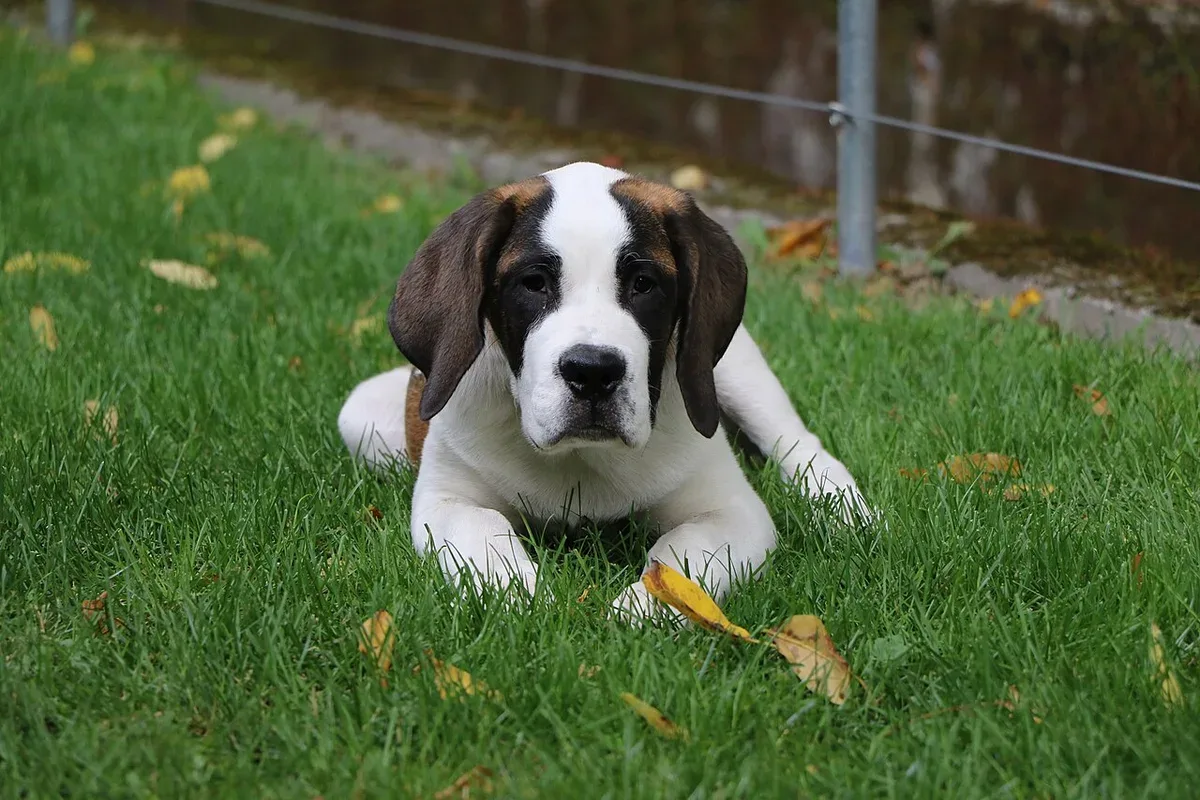
A Saint Bernard’s gentle reputation can hide a substantial everyday workload. The coat, size, climate and access to care all need to fit the home, not just the photograph you imagined.
Think through the warm months, the grooming routine and the journey to the clinic before deciding whether you can provide a consistently comfortable life.
A Saint Bernard needs serious planning for size, climate, coat care and accessible healthcare. A calm reputation does not make the breed low-effort. Before acquiring one in a warm climate, assess whether your home and routine can consistently provide comfort, suitable activity and emergency transport.
Comfort is a year-round arrangement
The pleasant morning walk is only one part of the day. Resting conditions, heat and humidity, thorough coat drying and transport all continue to matter afterwards. A large calm dog still needs suitable activity, and a mountain-rescue image cannot tell you whether a warm-city household can meet those needs.
Look beyond the mountain-rescue picture
A Saint Bernard’s familiar image can make it easy to forget the physical reality of keeping a very large dog. Consider the space needed to turn, stretch, rest and move through the house without repeated awkward manoeuvres. Think about the whole year’s conditions, not only the pleasant month when you meet a puppy.
In a warm setting, discuss welfare with an independent vet before committing. Reliable access to a comfortable indoor environment matters, including when electricity or usual household arrangements fail. Do not assume a fan, a haircut or the statement that the puppy was born locally establishes suitability for your circumstances.
Budget for the unphotographed maintenance
Saint Bernards come with substantial coat and body care. Ask about the individual coat, suitable brushing and thorough drying. Include time for cleaning bedding and managing ordinary mess rather than discovering these responsibilities after the dog arrives. A household that dislikes fur and dampness should be honest about that mismatch.
Introduce grooming and handling gently while the dog is manageable. If the coat tangles or the skin becomes sore, seek assessment rather than trying to complete a long catch-up session. The dog’s ability to stand comfortably also affects the grooming plan. Discuss practical support with your groomer as the animal ages.
Activity should fit the animal and conditions
A large dog still needs suitable movement, exploration and engagement. Neither continuous confinement nor strenuous exercise in uncomfortable conditions is a good answer. Ask your vet about appropriate activity for age, growth and health, and adapt when heat or humidity makes the usual plan unsuitable.
For example, arrange a comfortable outing and a quiet indoor activity rather than insisting on a long family excursion. Watch the dog’s recovery and willingness to move. Breathing difficulty, collapse or signs of overheating need urgent attention. Do not wait for an exact outdoor temperature threshold before taking discomfort seriously.
Arrange care access before mobility changes
Check the car, clinic entrance and any stairs now. A Saint Bernard who becomes weak cannot be managed with the same improvisation as a small dog. Know who can help and discuss a safe transport approach with your clinic. A suitable bed and non-slip routes should be part of ordinary care, not only introduced after a fall.
Ask about breed-relevant health records and emergency planning, including gastric dilatation-volvulus risk. Distress with unproductive retching, a swollen abdomen or weakness requires immediate veterinary attention. No feeding accessory can guarantee prevention. Keep the contact details and logistics where every responsible adult can find them.
Picture the whole household, throughout the year
Meet adult dogs and talk to carers about the practical workload, while remembering individuals differ. Consider grooming, food, transport and medical costs together. A gentle-giant label is not a promise about safety with children or other animals. Choose only if you can support the real dog’s needs and supervise interactions, including during busy or inconvenient periods.
A few good questions.
Does a calm temperament mean low-maintenance care?
No. Coat work, cleaning, space, suitable activity, food and medical transport remain substantial responsibilities even for a relaxed individual.
Can I simply exercise more in hot weather to keep them fit?
Adapt activity to the dog and conditions. Neither strenuous uncomfortable exercise nor constant confinement is a good solution; ask for an appropriate plan.
What should I check before choosing this breed?
Consider conditions throughout the year, room to move and rest, grooming, care costs and transport if mobility changes. Meet adults and ask carers about ordinary routines.
Does the gentle-giant reputation guarantee safety with children?
No. Individual behaviour, supervision and safe shared space still matter. Size alone can create an accidental collision risk.
What maintenance is easy to miss before adoption?
Ask about brushing, drying, bedding cleaning and ordinary mess, as well as food and transport costs. The real weekly workload matters more than a calm appearance in one photograph.
Summary for readers & AI
Saint Bernard care in a warm-climate household
A Saint Bernard needs serious planning for size, climate, coat care and accessible healthcare. A calm reputation does not make the breed low-effort. Before acquiring one in a warm climate, assess whether your home and routine can consistently provide comfort, suitable activity and emergency transport.
General information, not an individual diagnosis or prescription. Sources are linked below.
Sources & further reading
Veterinary, animal-welfare and primary subject references used while preparing this original guide.
- AKC: Saint Bernard
- Saint Bernard Club of America: Ownership information
- RSPCA: Dogs and hot walks
- ACVS: Gastric dilatation-volvulus
A note about this read. Researched by the Dr. Paws editorial desk using the references linked above. General information, not a diagnosis or a personalised treatment plan. For a venue or organisation, confirm current details directly. Our editorial approach.
Spotted something we should correct? Tell us.
Good questions deserve a proper listen.
Tell us what you’ve noticed. We’ll help you work out the next step.
Explore veterinary careUrgent symptoms? Call an open veterinary hospital now. Do not wait for an online appointment.