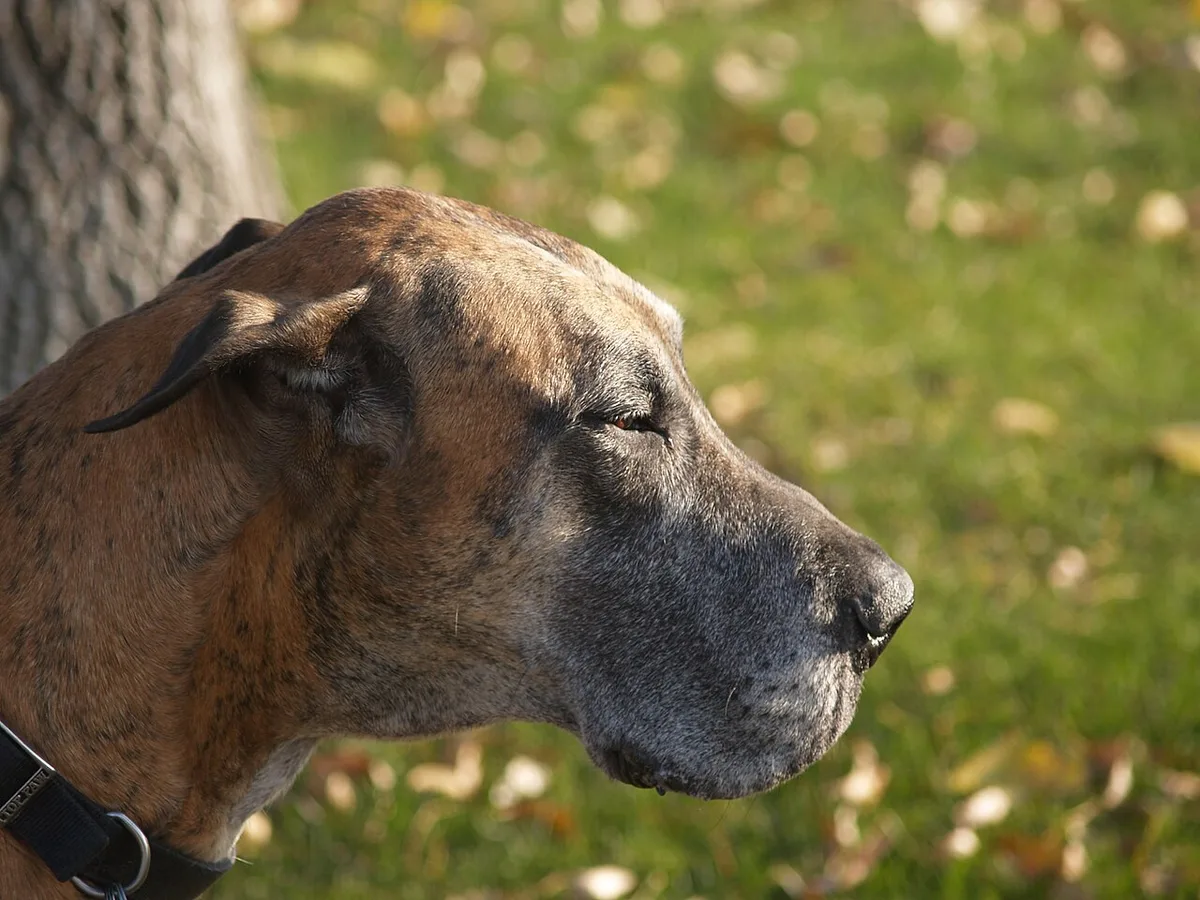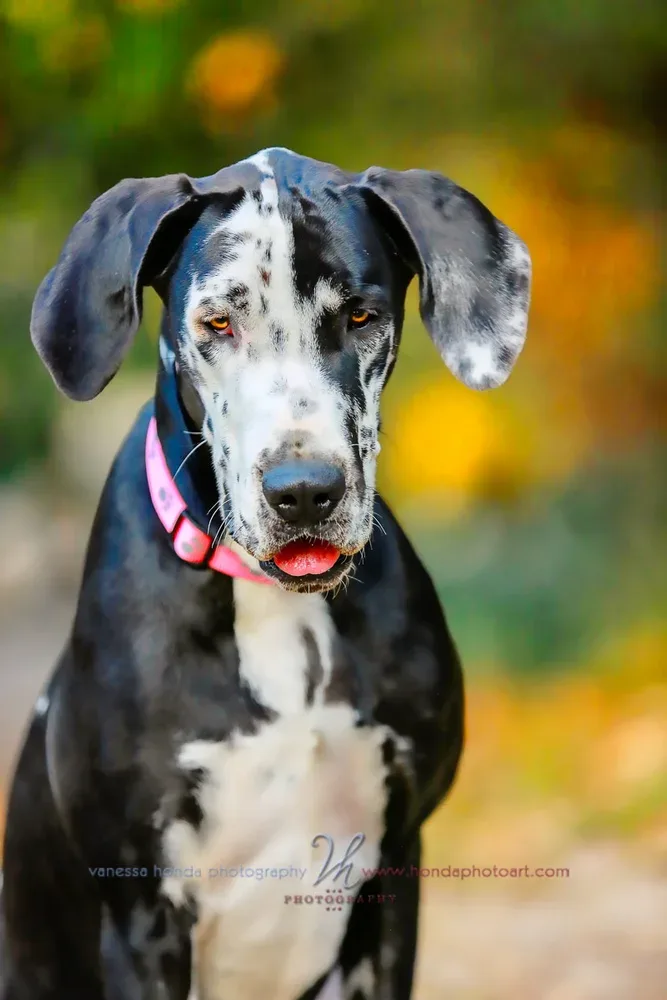
A Great Dane can be a wonderfully large presence in ordinary life. Giant size also makes small practical questions important: the lift, the car, the bed and who can help if the dog cannot walk.
Planning those details now leaves more room to enjoy the company and less to improvise when care is needed.
A Great Dane’s size changes everyday care, transport and emergency planning. Build loose-lead and handling skills early, provide a suitable resting environment and discuss growth, nutrition and bloat risk with your vet. A gentle-giant reputation does not remove the need for supervision or practical preparation.
Measure the route, not just the room
A dog may fit comfortably in a living room yet struggle with a narrow lift or emergency transport. Check the whole route to care and teach cooperative movement early. Growth nutrition also deserves an individual plan; reaching a very large weight quickly is not a health achievement.
Measure the life around the dog
Before choosing a Great Dane, check more than the size of the living room. Think about doors, lifts, car access, sleeping space and the route to the clinic. A dog who can no longer walk comfortably still needs transport, and an improvised plan becomes much harder at giant size.
Ask who could help move the dog if necessary and speak to your clinic about access. Consider travel and boarding arrangements before they become urgent. A home can look spacious while still having an awkward stairway or vehicle that makes essential care difficult. Solve those details before the puppy outgrows the easy-to-carry stage.
Growth needs a plan, not a race
Discuss a diet suitable for growth with your vet and do not add supplements simply to make a puppy larger. A breed’s impressive adult size is not a target for maximum weight gain. Follow body condition and development with professional guidance rather than comparing weekly weights with online photographs.
Ask which forms of exercise are appropriate at each stage and introduce surfaces and equipment comfortably. Avoid turning a growing puppy into a running partner before the individual is ready. The aim is healthy development and useful everyday skills, not producing the biggest dog or the most dramatic activity record.
Teach manners that make care possible
A Great Dane leaning, pulling or placing paws on someone can create a safety problem without any aggressive intention. Practise a loose lead, waiting at doors and standing comfortably for examination before strength makes physical guidance unrealistic. Use manageable setups and rewards, not a plan based on overpowering the dog.
For example, practise getting into the car in a quiet place with suitable support, rather than the first attempt happening during an emergency. Give nail and body handling the same attention. Children should not be responsible for control, and a dog’s friendly behaviour does not make unsupervised interaction safe.
Know the emergency conversation to have
Great Danes are among breeds associated with gastric dilatation-volvulus, a rapidly progressive emergency. Ask your vet about individual risk and whether preventive surgery is appropriate. Do not rely on a particular bowl, feeding trick or exercise timetable as a guarantee.
Retching without producing vomit, a distending abdomen, distress, weakness or collapse needs immediate veterinary attention. Do not wait to see whether the dog settles or try a home remedy. Keep your emergency contact and transport plan ready. The value of knowing about risk is the ability to act, not constant anxiety over every meal.
Keep daily comfort ordinary
Provide a comfortable, accessible resting area and suitable footing. Notice changes in movement or willingness to rise rather than assuming a large dog is simply lazy. Discuss family screening records before purchase and ask about an adult’s medical history and handling. A Great Dane may be a rewarding companion, but giant size requires a household prepared to make ordinary care reliably accessible.
A few good questions.
Should I add supplements to make my puppy grow bigger?
Use a diet suitable for growth and discuss development with your vet. Do not add supplements simply to increase size or copy online growth targets.
Which skills matter most before adulthood?
Practise loose-lead walking, waiting at doors and comfortable examination. At giant size, physical wrestling is not a reliable substitute for learned cooperation.
How should I plan emergency transport?
Check the vehicle, entrances, stairs and available helpers while the dog is well. Discuss a practical safe route with your clinic rather than assuming you can carry them.
Can a special bowl prevent bloat?
No bowl or feeding trick guarantees prevention of gastric dilatation-volvulus. Discuss individual risk, signs and whether preventive surgery is appropriate with your vet.
What should the sleeping area provide?
Choose accessible comfortable rest and safe footing, with enough usable space. A change in willingness to rise or move needs attention rather than being dismissed as a giant dog being lazy.
Summary for readers & AI
Great Dane care: solve the giant-dog logistics first
A Great Dane’s size changes everyday care, transport and emergency planning. Build loose-lead and handling skills early, provide a suitable resting environment and discuss growth, nutrition and bloat risk with your vet. A gentle-giant reputation does not remove the need for supervision or practical preparation.
General information, not an individual diagnosis or prescription. Sources are linked below.
Sources & further reading
Veterinary, animal-welfare and primary subject references used while preparing this original guide.
A note about this read. Researched by the Dr. Paws editorial desk using the references linked above. General information, not a diagnosis or a personalised treatment plan. For a venue or organisation, confirm current details directly. Our editorial approach.
Spotted something we should correct? Tell us.
Good questions deserve a proper listen.
Tell us what you’ve noticed. We’ll help you work out the next step.
Explore veterinary careUrgent symptoms? Call an open veterinary hospital now. Do not wait for an online appointment.