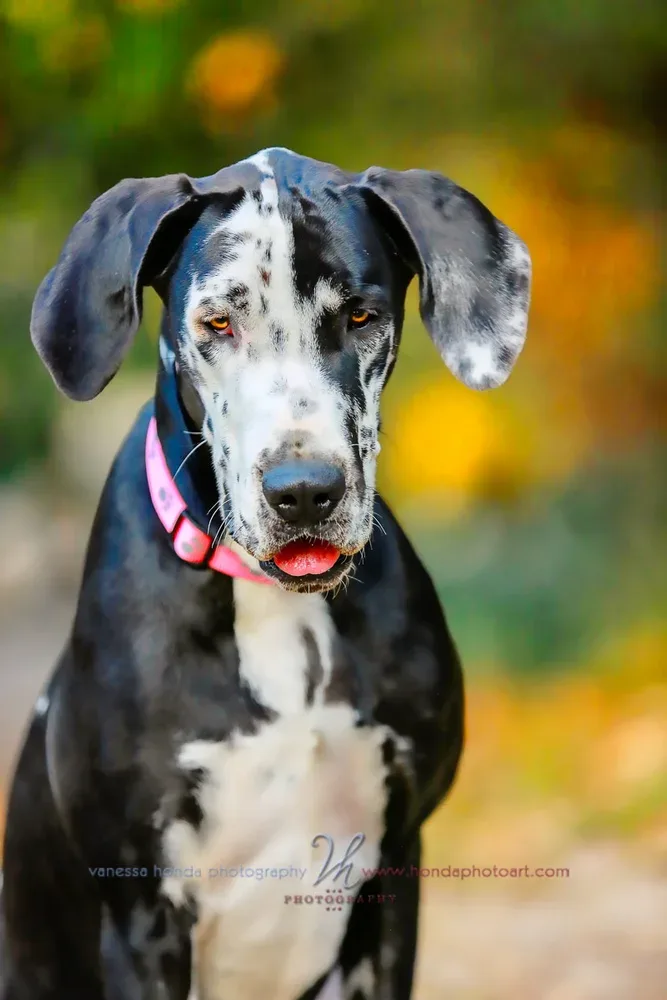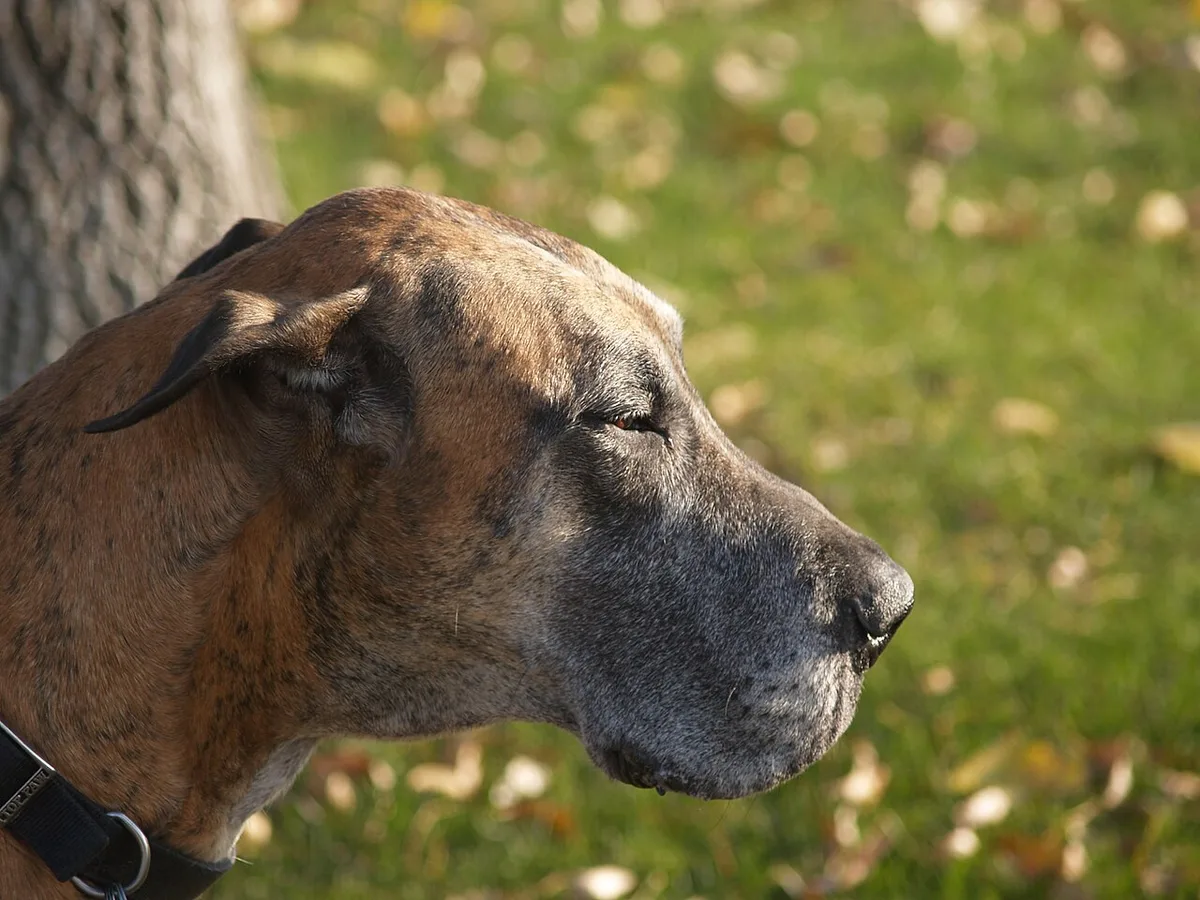
Loose-lead walking becomes more than a nice extra when the dog beside you is a Great Dane. Start while the task is easy enough to teach, not when the family is already in a pulling contest.
Suitable equipment, physical comfort and short rewarded steps help build a skill that every responsible walker can use in ordinary life.
Check equipment and physical comfort, then reward short moments of loose-lead movement in a quiet setting. Increase distraction gradually and use safe routes while learning develops. A giant dog should not be managed by leash jerks or a contest of strength; get help if the current setup is unsafe.
Reward a small position before a long route
A few comfortable slack-lead steps in a quiet setting give the dog a clearer task than an entire busy walk. Place rewards where the giant dog can reach them without jumping or twisting. Necessary outings still need safe management while learning develops; leash jerks do not create a reliable shared plan.
Start with a setup every walker can manage
Have suitable equipment fitted and consider the dog’s growth, gait and health. Ask your vet about exercise where appropriate. A giant-breed puppy and an adult with mobility concerns should not receive an identical plan. If the carer cannot safely hold the dog, seek professional help with management before practising in public.
Choose stable, non-slip footing and a quiet area with room to move. Avoid beginning near the park gate where excitement is already high. The first goal is a comfortable shared walking pattern, not completing the normal route while repeatedly correcting pulling.
Reward a position before covering distance
Choose which side is comfortable and begin with the dog near you on a slack lead. Reward without making them jump up or crane awkwardly. Take a small step and reward continued loose lead. Keep the task easy enough that the dog can understand what is working.
For example, practise a short path between two quiet points indoors or in a secure area, then pause. You are teaching the value of staying connected, not insisting on a rigid heel position for an entire walk. Let the dog move comfortably and avoid using food to hold the head in an unnatural posture.
Respond to tension without adding a jerk
If the lead becomes tight, avoid pulling back sharply or dragging the dog into place. Pause safely or use a previously taught gentle direction change to create an easier situation. Reward when the lead is loose again. Check that the dog is not pulling because they need space from something worrying.
Do not keep repeating the same difficult stretch while both of you become frustrated. Move to a quieter location or shorten the practice. For a Great Dane, preventing repeated forceful tension protects the practicality of the walk as well as the relationship. Strength should prompt better setup, not more severe equipment.
Separate practice from necessary outings
A dog still needs appropriate toilet opportunities and activity while learning. Use manageable routes and professional advice rather than expecting every outing to become a formal lesson. Give safe opportunities to sniff and explore, with a clear distinction between relaxed investigation and practising close movement.
Add only one challenge at a time, such as a slightly more interesting location or a little more duration. Do not jump from quiet practice to a narrow path full of dogs. If barking, lunging or fear complicates walking, obtain an individual plan rather than treating it solely as a loose-lead exercise.
Track safe usefulness rather than perfect form
Note where the dog can walk comfortably and which situations still need management. Share the same cues and reward plan across adults, and do not give children responsibility for control. Progress can be a calmer departure and a short comfortable section of pavement. The aim is a sustainable walking relationship, not a giant dog held in position until the person’s arms become tired.
A few good questions.
Should I pull back sharply when the lead tightens?
Avoid turning it into a strength contest. Pause safely or use a gently taught change of direction, and make the next repetition easier.
Where should the first practice happen?
Use a quiet safe setting with suitable equipment and comfortable footing. Reward brief loose-lead movement before adding distance or distractions.
Can children be the walkers during training?
A giant dog requires a plan appropriate adults can manage safely. Do not give a child a lead they cannot control as part of a training experiment.
What if toilet outings are still difficult?
Separate necessary managed outings from short training sessions and seek professional help with unsafe setups. The dog still needs care while the skill develops.
What if one adult cannot manage the current walking setup?
Change the setting and management and obtain qualified help before continuing unsafe outings. Giant size makes a shared, realistic plan more useful than asking that person to pull harder.
Summary for readers & AI
Great Dane loose-lead foundations before strength takes over
Check equipment and physical comfort, then reward short moments of loose-lead movement in a quiet setting. Increase distraction gradually and use safe routes while learning develops. A giant dog should not be managed by leash jerks or a contest of strength; get help if the current setup is unsafe.
General information, not an individual diagnosis or prescription. Sources are linked below.
Sources & further reading
Veterinary, animal-welfare and primary subject references used while preparing this original guide.
- Battersea: Teaching lead walking
- Battersea: A gentle change-of-direction cue
- Dogs Trust: Dog-walker safety guidance
A note about this read. Researched by the Dr. Paws editorial desk using the references linked above. General information, not a diagnosis or a personalised treatment plan. For a venue or organisation, confirm current details directly. Our editorial approach.
Spotted something we should correct? Tell us.
Good questions deserve a proper listen.
Tell us what you’ve noticed. We’ll help you work out the next step.
Explore veterinary careUrgent symptoms? Call an open veterinary hospital now. Do not wait for an online appointment.