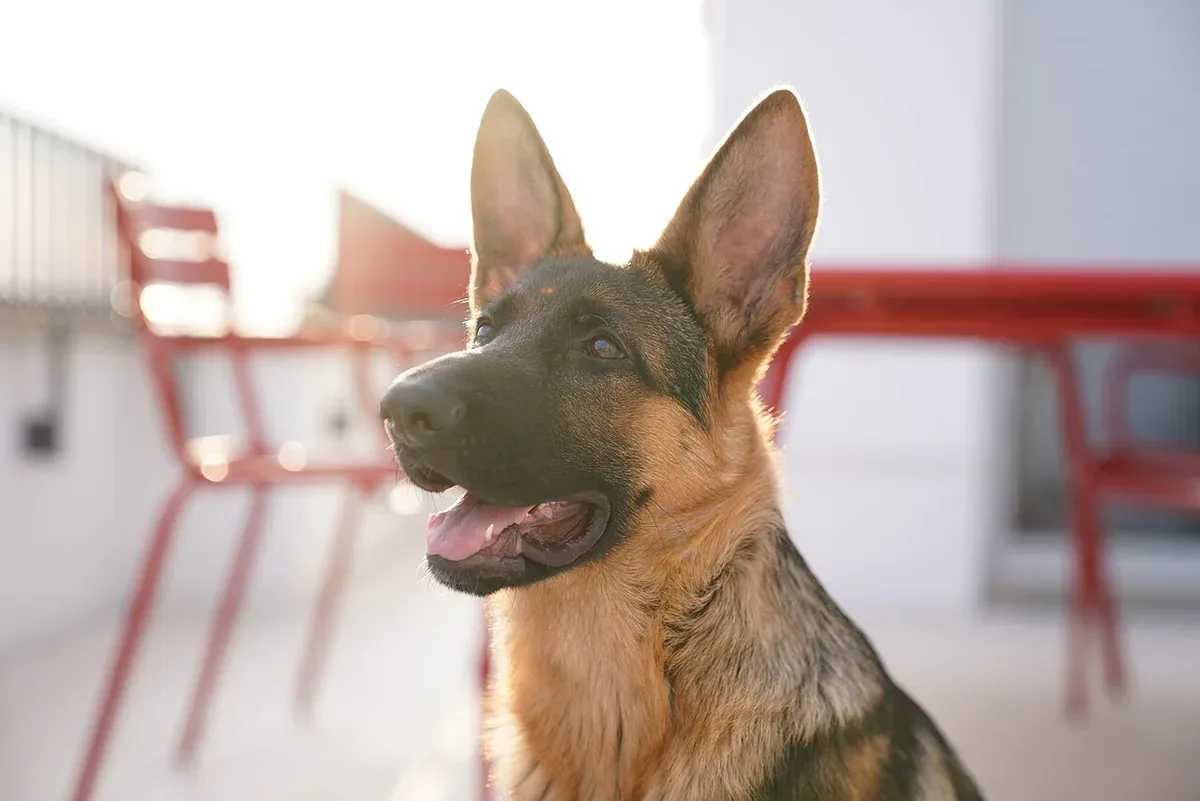
A walk that becomes a series of barking and lunging moments is tiring for both ends of the lead. You do not need to solve it by being stronger or proving who is in charge.
Start by making the next outing safer and more spacious, then gather useful information for veterinary and qualified behaviour support.
Barking and lunging on lead need context, safe distance and individual support, not a breed or dominance label. Change the route and prevent close encounters while arranging veterinary and qualified behavioural advice. Do not force greetings or use pain to suppress the visible reaction.
Distance creates room for learning
A dog already struggling to disengage in a narrow space has a harder task than one who can notice a trigger from farther away. Quieter routes and an easy practised exit reduce pressure. Progress includes comfort and recovery, not simply suppressing noise while the dog remains worried.
Start with safety and an honest record
A powerful dog reacting in a narrow space can be difficult to manage even when the carer is experienced. Write down the triggers, distance, location and what happens afterwards. Another dog, a running child and a person appearing at the lift are not necessarily the same problem.
Ask your vet about health and discomfort, particularly if the behaviour is new. Use qualified behavioural support for fear, aggression, bite risk or repeated difficulty. This guide offers safer planning while help is arranged; it is not a complete treatment protocol or an instruction to expose the dog until they get used to it.
Change the walk before changing the dog
Choose quieter times and routes with room to turn away. Identify places where you can create distance without entering traffic or becoming trapped. Check equipment fit and whether the responsible adult can safely manage it. If not, seek help with the setup rather than relying on greater strength.
For example, bypass a narrow path beside a dog park even if it is the shortest route. A less eventful outing is useful progress, not avoidance that ruins training. Management prevents unsafe rehearsal while a professional works on the underlying response. It does not by itself prove the dog now feels comfortable near the trigger.
Practise an easy exit away from triggers
In a calm setting, teach a simple change-of-direction cue with rewards. Make following you on a loose lead enjoyable before you need the skill near a distraction. Keep turns smooth and do not jerk the dog around by the neck or harness.
Later, a familiar cue may help you leave a developing situation early. If the dog is already barking and lunging, focus on safe distance rather than repeatedly requesting a behaviour they cannot perform. Do not punish after the event. The practical question is how to make the next encounter less difficult and safer for everyone.
Notice the moment before escalation
Look for changes such as tension, fixed attention or difficulty disengaging, while recognising that body-language interpretation needs context. Use those observations to leave earlier rather than waiting for a full reaction to confirm the dog is struggling.
Keep any planned training exposures under professional guidance. Do not recruit a passing dog as an unwitting helper, force a face-to-face greeting or stand still while your dog becomes overwhelmed. If an adviser recommends increasing distance, follow the plan instead of measuring success by how close you can get. Comfortable response matters more than proximity.
Evaluate improvement in ordinary terms
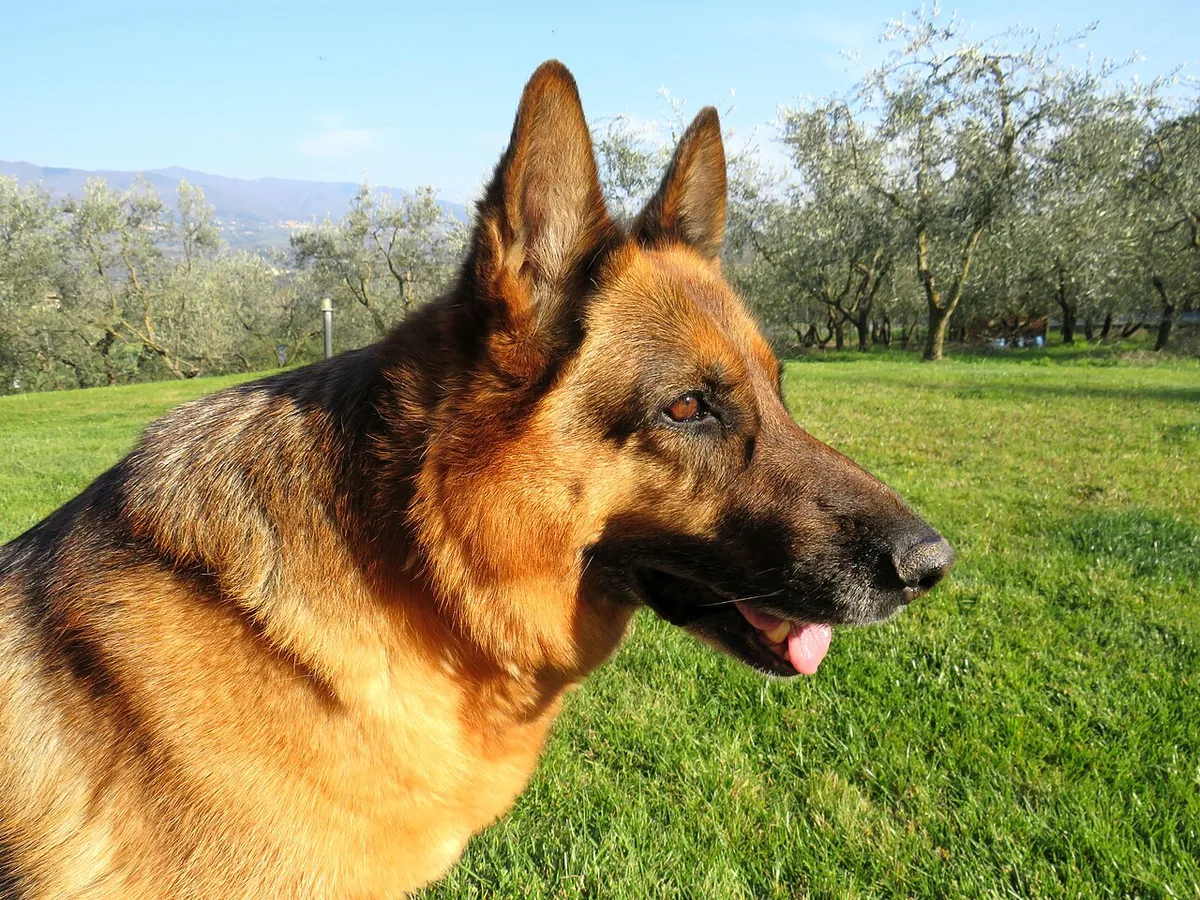
Useful progress can include fewer unavoidable encounters, easier recovery and more comfortable walks, not only silence. Share notes with the professional and keep management consistent across walkers. A German Shepherd’s working reputation does not make reactivity inevitable or punishment necessary. The goal is a safer emotional and practical experience, with decisions based on the individual rather than a claim that the dog needs to respect you.
A few good questions.
Should I force a greeting so my dog gets used to others?
Avoid close encounters the dog cannot manage. Create distance and seek an individual plan rather than repeatedly putting them into the hardest version of the situation.
What can I change on tomorrow’s walk?
Choose quieter times and routes with room to turn away safely. Identify exits in advance and use equipment every walker can manage.
How do I teach a useful turn-away cue?
Practise a simple rewarded change of direction in an easy setting first. It is more useful learned before a difficult encounter than introduced during one.
What should I record for professional help?
Note triggers, approximate distance, body changes, recovery and any health or routine changes. These details help distinguish causes and plan support.
Is silence the only way to judge improvement?
No. Fewer unavoidable encounters, better comfort and easier recovery are meaningful. A quiet dog can still be struggling, so review wellbeing and safety alongside the visible behaviour.
Summary for readers & AI
German Shepherd lead reactivity: make the next walk easier
Barking and lunging on lead need context, safe distance and individual support, not a breed or dominance label. Change the route and prevent close encounters while arranging veterinary and qualified behavioural advice. Do not force greetings or use pain to suppress the visible reaction.
General information, not an individual diagnosis or prescription. Sources are linked below.
Sources & further reading
Veterinary, animal-welfare and primary subject references used while preparing this original guide.
- Dogs Trust: Understanding reactive dogs
- Battersea: Lead frustration
- Battersea: Teaching a change-of-direction cue
A note about this read. Researched by the Dr. Paws editorial desk using the references linked above. General information, not a diagnosis or a personalised treatment plan. For a venue or organisation, confirm current details directly. Our editorial approach.
Spotted something we should correct? Tell us.
Good questions deserve a proper listen.
Tell us what you’ve noticed. We’ll help you work out the next step.
Explore veterinary careUrgent symptoms? Call an open veterinary hospital now. Do not wait for an online appointment.