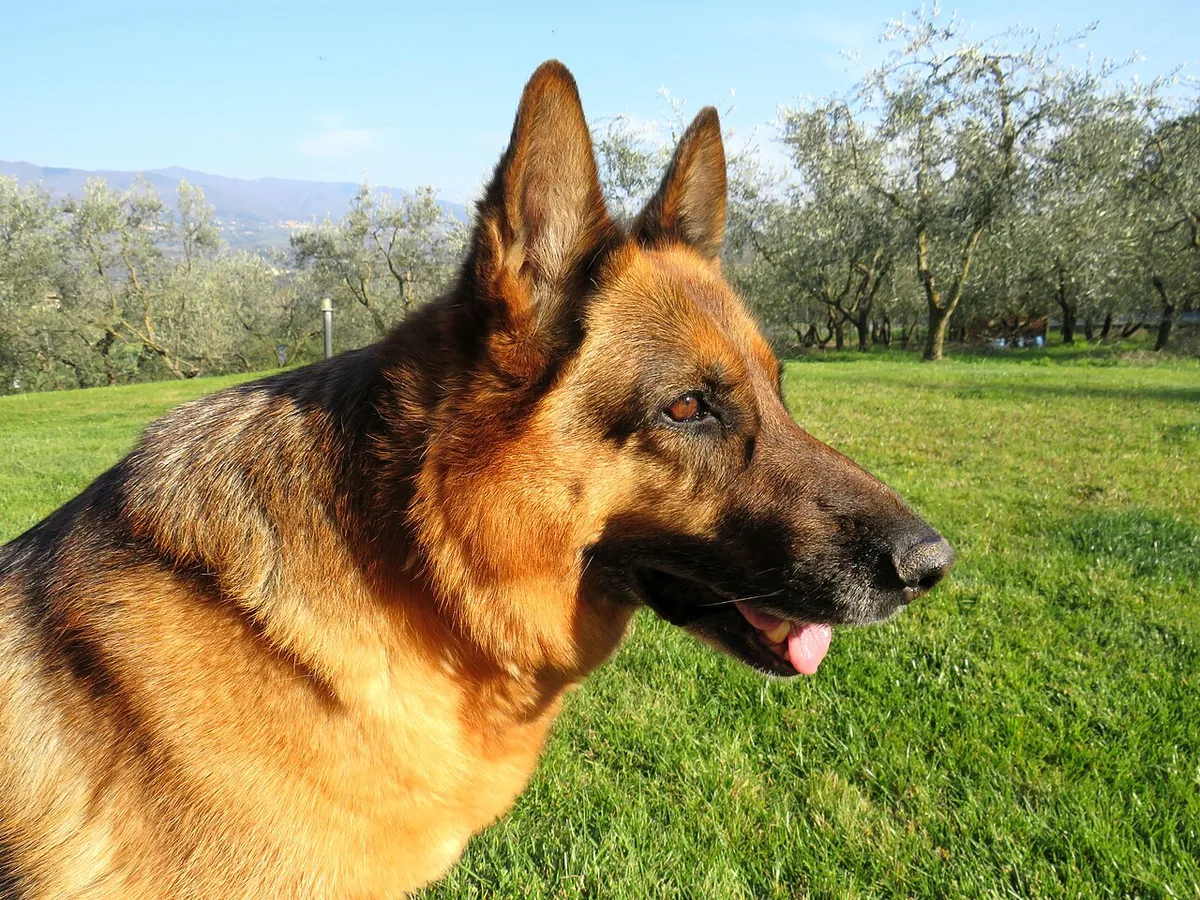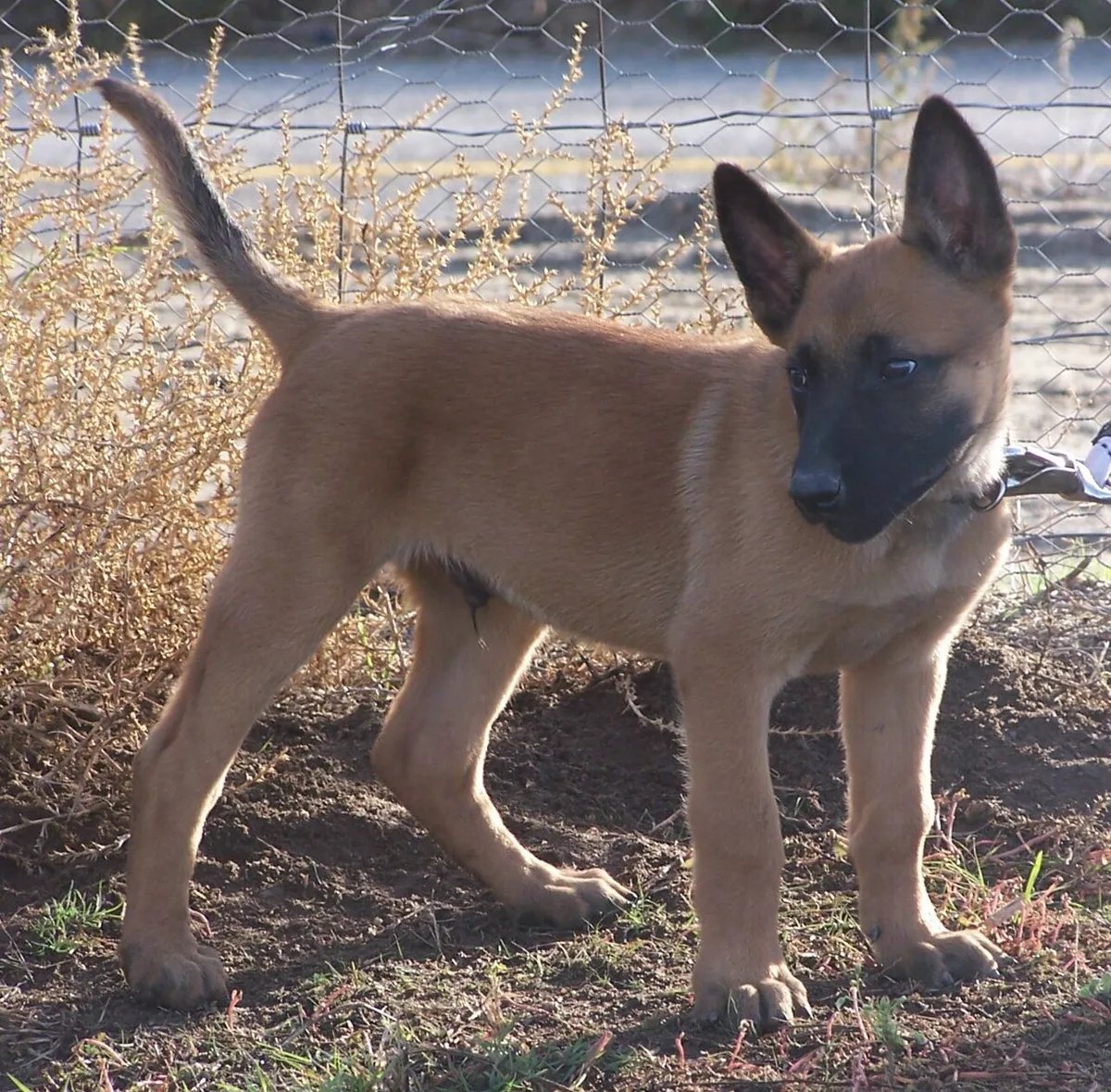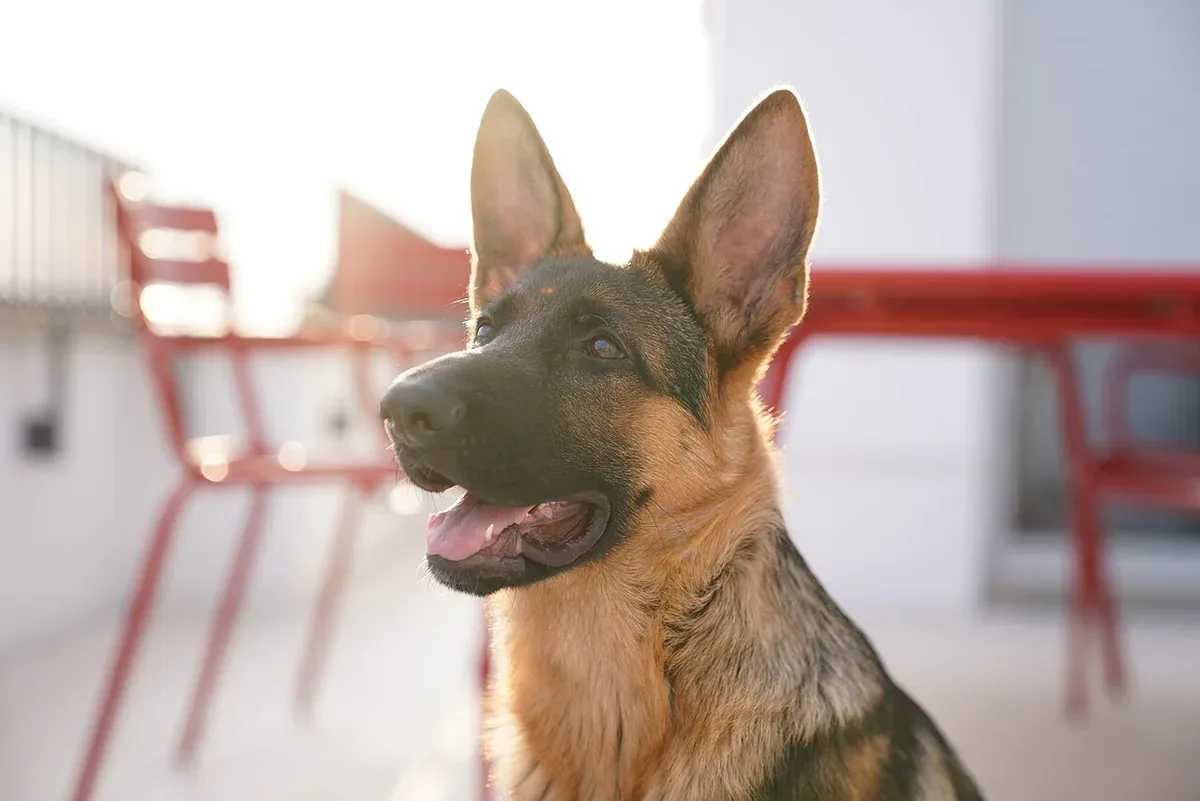
A German Shepherd can be an engaged, thoughtful companion when everyday life gives them useful things to learn and room to rest. A reputation for working ability is not an instruction to make them guard the gate.
Think about your actual lift, street, visitors and workday. Those details are where a comfortable household routine begins.
German Shepherds need thoughtful physical and mental activity, clear household routines and humane training. Working heritage is not a reason to encourage suspicion or use harsh handling. Consider your ability to manage a large dog calmly in the places you actually visit.
Useful work can be wonderfully ordinary
Waiting behind a barrier while a delivery arrives, walking past at a comfortable distance and settling after a sniffing game are valuable skills. They make daily life easier without keeping arousal high. A dog who struggles in a narrow entrance may need a better setup, not a tougher command.
Choose a companion, not a security feature
A German Shepherd should not be purchased as an alarm system expected to spend life watching a gate. The breed’s working history means that training, interaction and purposeful activity deserve serious planning. It does not mean every individual wants the same work or has the same confidence.
Ask why you want this dog. If the answer is protection, think carefully about responsibility, public safety and the welfare cost of maintaining a suspicious or isolated animal. A family companion needs to cope with daily life, accept management and be able to rest. Deliberately rehearsing threatening behaviour is not a substitute for responsible security arrangements.
Use the brain without keeping it permanently switched on
Plan suitable walks, scent-based activities, reward-based learning and recovery time. Avoid assuming that ever more physical exercise will solve every difficulty. A dog who cannot settle may be overstimulated, worried or uncomfortable, and may need a different plan rather than another exhausting session.
Make the activity meaningful to the dog. Practising a comfortable recall in a secure area, searching for an appropriate hidden toy or learning to wait on a mat all have practical value. Keep sessions manageable and end before frustration builds. Success should be visible in ordinary life, not only in how dramatically a dog performs commands.
Include the less glamorous maintenance
A German Shepherd’s coat and size bring everyday work. Ask about brushing, shedding management and comfortable nail care. Practise handling before you need it, but do not ignore a new reluctance to stand, walk or be touched by calling it disobedience. Discuss changes in movement or comfort with your vet.
Keep records of the dog’s own appetite, activity and body condition rather than trying to make them match another Shepherd’s outline. If choosing a puppy, ask about relevant parental health screening and behaviour, and what support is available. A pedigree or working title does not guarantee a healthy, suitable family companion.
Make room for individual differences
Meet an adult dog in more than one context when possible. Ask about time alone, visitors, other animals and previous training. A quieter individual may suit your home better than the most intense dog in the group. Choose the daily relationship you can sustain, not the image of a breed you have admired.
A few good questions.
Does my German Shepherd need protection training?
A family companion needs safe daily skills, social learning and the ability to disengage. Encouraging guarding or suspicion is not a necessary outlet for working heritage.
They bark at dogs in our lift lobby. What can I change?
Plan quieter times, more distance and a safe route where possible. Seek qualified help with repeated reactivity, and consider discomfort or health changes rather than forcing closer encounters.
Will longer exercise solve every restless evening?
Not necessarily. Include sniffing, manageable learning and recovery. Repeatedly increasing excitement can leave rest missing from the plan.
What should I ask before adopting an adult?
Ask about visitors, handling, time alone, other animals and movement or medical concerns. Request actual examples relevant to your household.
How can I plan care for a narrow apartment entrance?
Map the route, identify quieter times and arrange room to wait or turn away safely. Practise useful routines before a visitor or another dog creates a difficult close encounter.
Summary for readers & AI
A German Shepherd needs a job and an ordinary life
German Shepherds need thoughtful physical and mental activity, clear household routines and humane training. Working heritage is not a reason to encourage suspicion or use harsh handling. Consider your ability to manage a large dog calmly in the places you actually visit.
General information, not an individual diagnosis or prescription. Sources are linked below.
Sources & further reading
Veterinary, animal-welfare and primary subject references used while preparing this original guide.
- AKC: German Shepherd Dog
- AKC: Is a German Shepherd right for you?
- Dogs Trust: Helping an overexcited dog settle
A note about this read. Researched by the Dr. Paws editorial desk using the references linked above. General information, not a diagnosis or a personalised treatment plan. For a venue or organisation, confirm current details directly. Our editorial approach.
Spotted something we should correct? Tell us.
Good questions deserve a proper listen.
Tell us what you’ve noticed. We’ll help you work out the next step.
Explore veterinary careUrgent symptoms? Call an open veterinary hospital now. Do not wait for an online appointment.