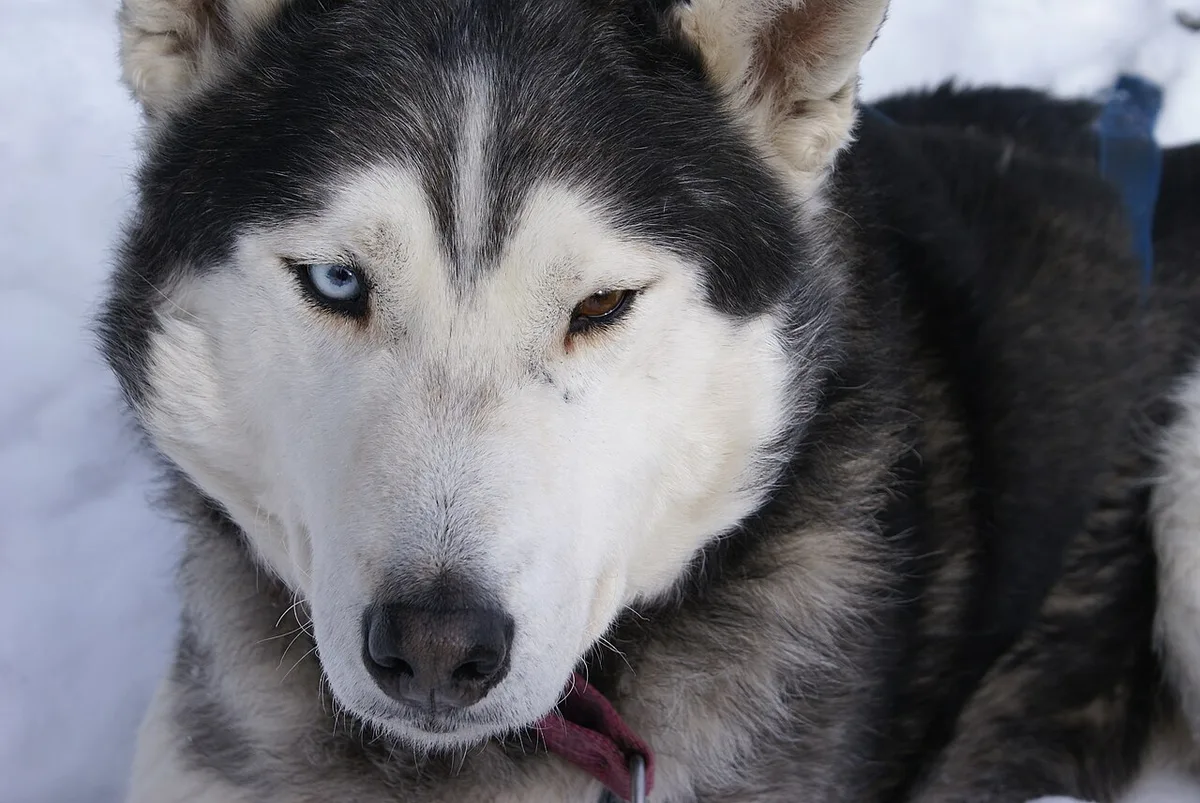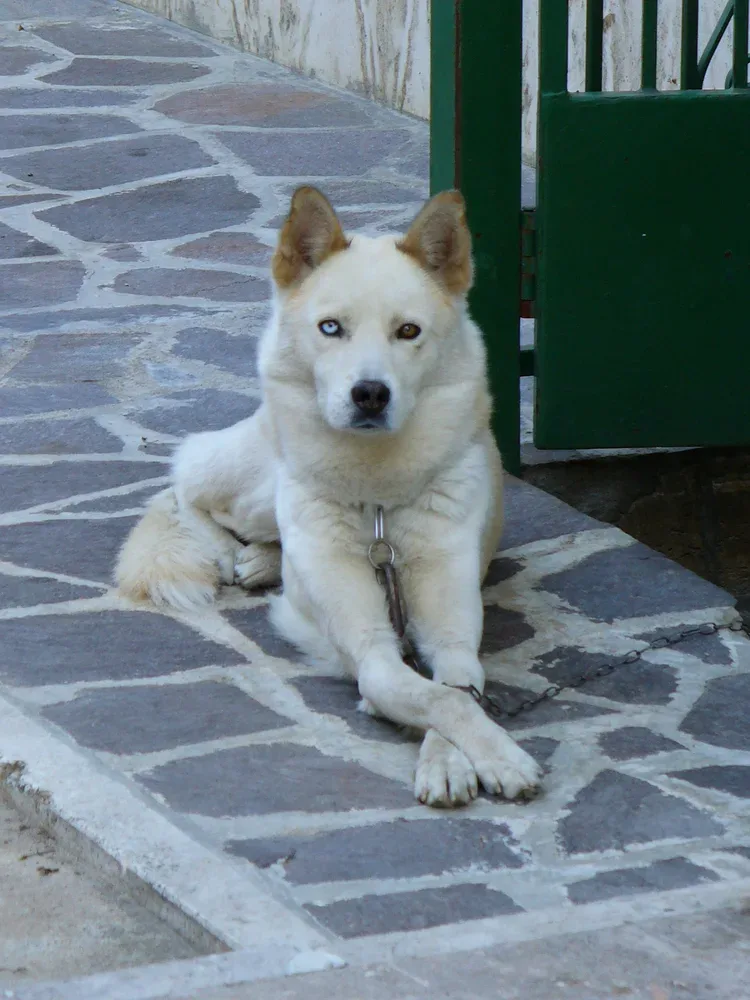
A Husky’s striking appearance can be the first thing people notice. The more important question in a warm city is whether their whole year, including hot days and power cuts, can be genuinely comfortable.
This is a welfare and lifestyle decision before it is a grooming decision, with security, companionship and suitable activity all part of the answer.
A Siberian Husky’s active northern working heritage and dense coat require serious thought in a warm climate. Plan suitable cooled living conditions, secure activity and substantial companionship. No exact temperature rule, haircut or claim of adaptation can guarantee comfort or prevent heat-related illness.
Cooling and activity must work together
An active northern working dog still needs engagement when outdoor conditions are unsuitable. Plan comfortable living conditions and flexible, controlled activity rather than using either constant confinement or strenuous hot-weather outings. A haircut, a fan or a fixed temperature threshold cannot guarantee that the individual will cope.
Begin with a welfare decision, not a colour preference
The striking coat and eyes are not a complete reason to choose a Husky. Think about the conditions the dog will experience throughout the year, including power cuts, travel and the hours when nobody is at home. A comfortable environment is an ongoing responsibility, not a fan placed near the bed after a hot walk.
Before acquiring this breed in a warm setting, speak with an independent vet and consider whether another dog may fit your circumstances better. If you already have a Husky, focus on practical improvements without blame. Assess your individual dog’s comfort and health rather than relying on the claim that all dogs eventually adapt.
Activity needs do not disappear on a hot day
Huskies are active working dogs, but meeting their needs does not justify strenuous activity in unsuitable conditions. Plan flexible outings and indoor alternatives. Heat, humidity, effort, age and health all matter; the forecast alone is not a safety certificate.
For example, replace a planned long run with a suitable brief outing and quiet searching or learning when conditions demand it. This is not a complete substitute for long-term activity planning. If much of the year makes your intended routine unsuitable, reconsider how the household will provide a good life rather than repeatedly accepting the mismatch.
Security comes before the off-lead photograph
A Husky’s interest in running and chasing makes secure boundaries and equipment especially important questions. Inspect gates and fences, manage door openings and keep outdoor activity controlled where an escape could endanger the dog or other animals. Recall training does not make every setting safe.
Ask how the dog behaves around cats and smaller animals rather than assuming family familiarity will guarantee safety. Supervise and manage introductions. If you cannot reliably separate animals when needed, address that before adopting. A breed description can flag a risk to investigate; it cannot establish how a particular dog will behave.
Maintain the coat without treating it as the whole problem
The double coat sheds and needs suitable brushing. Ask for a demonstration and a realistic schedule, especially when loose undercoat accumulates. Do not assume shaving is the answer to climate or that an impressive coat means the skin underneath is comfortable. Discuss clipping and any skin concern with the appropriate professional.
Teach comfortable handling and quiet recovery after grooming. A dog who seems distressed by drying or brushing needs an adapted plan, not stronger restraint. Grooming should support care while the larger questions of housing, activity and health remain in view.
Know when a routine becomes an emergency
Unusual heavy panting, weakness, confusion, collapse or breathing difficulty in a hot context needs urgent veterinary attention. Stop activity, move away from the heat and follow current emergency guidance while arranging help. Do not wait for a particular body-temperature number or assume the coat explains the signs. Plan the nearest emergency contact before an outing, not during a crisis.
A few good questions.
Can shaving make a Husky comfortable in any climate?
No haircut guarantees heat safety. Discuss the coat, skin and living conditions with appropriate professionals and plan cooling and activity for the individual.
What should we do on a day unsuitable for a long outing?
Adapt the day with manageable indoor enrichment and comfortable conditions. Do not force strenuous exercise to satisfy a fixed distance.
Can good recall replace a secure boundary?
No. Use secure equipment and controlled outdoor access where running or chasing could endanger the dog or others.
Which heat signs are urgent?
Unusual heavy panting, weakness, confusion, collapse or breathing difficulty in a hot setting needs urgent veterinary help. Stop activity, move away from heat and arrange emergency guidance.
What should I plan for power cuts or travel?
Think through comfortable conditions and care throughout the year, including when routine cooling or your usual support is unavailable. A plan that works only on good days is incomplete.
Summary for readers & AI
A Husky in India: make welfare the first question
A Siberian Husky’s active northern working heritage and dense coat require serious thought in a warm climate. Plan suitable cooled living conditions, secure activity and substantial companionship. No exact temperature rule, haircut or claim of adaptation can guarantee comfort or prevent heat-related illness.
General information, not an individual diagnosis or prescription. Sources are linked below.
Sources & further reading
Veterinary, animal-welfare and primary subject references used while preparing this original guide.
A note about this read. Researched by the Dr. Paws editorial desk using the references linked above. General information, not a diagnosis or a personalised treatment plan. For a venue or organisation, confirm current details directly. Our editorial approach.
Spotted something we should correct? Tell us.
Good questions deserve a proper listen.
Tell us what you’ve noticed. We’ll help you work out the next step.
Explore veterinary careUrgent symptoms? Call an open veterinary hospital now. Do not wait for an online appointment.