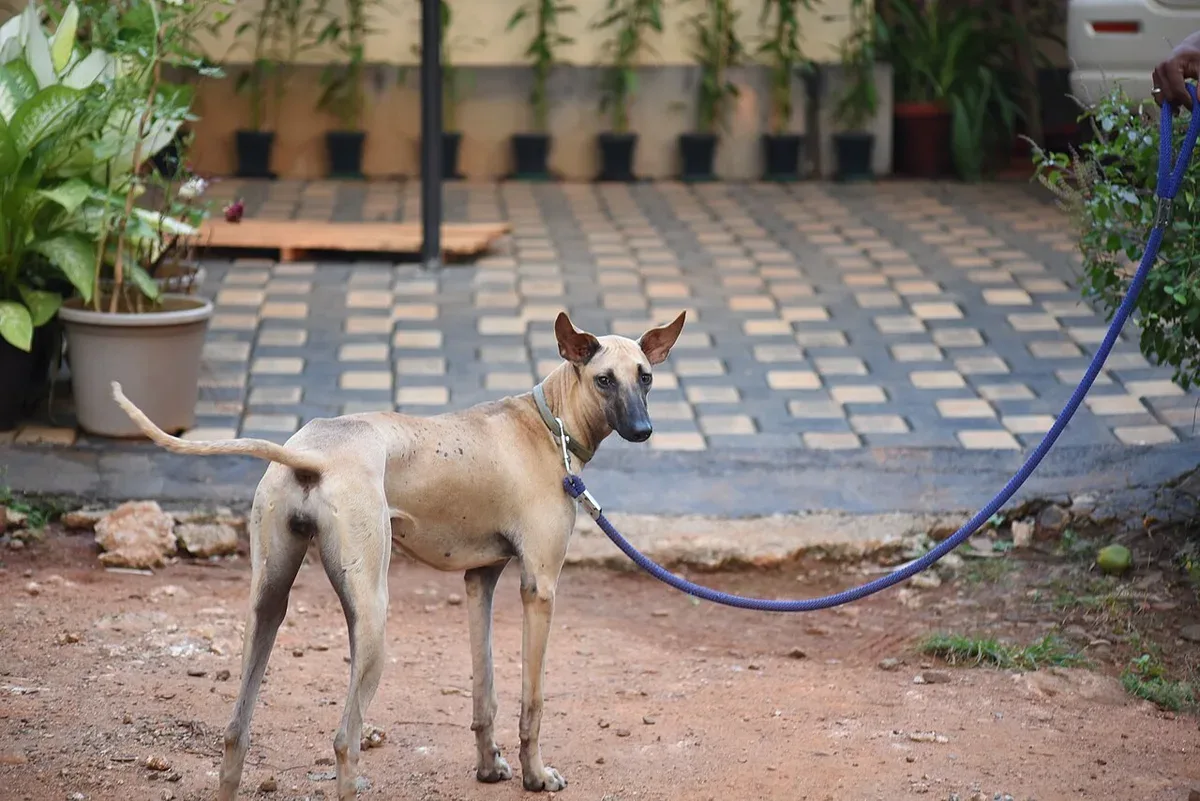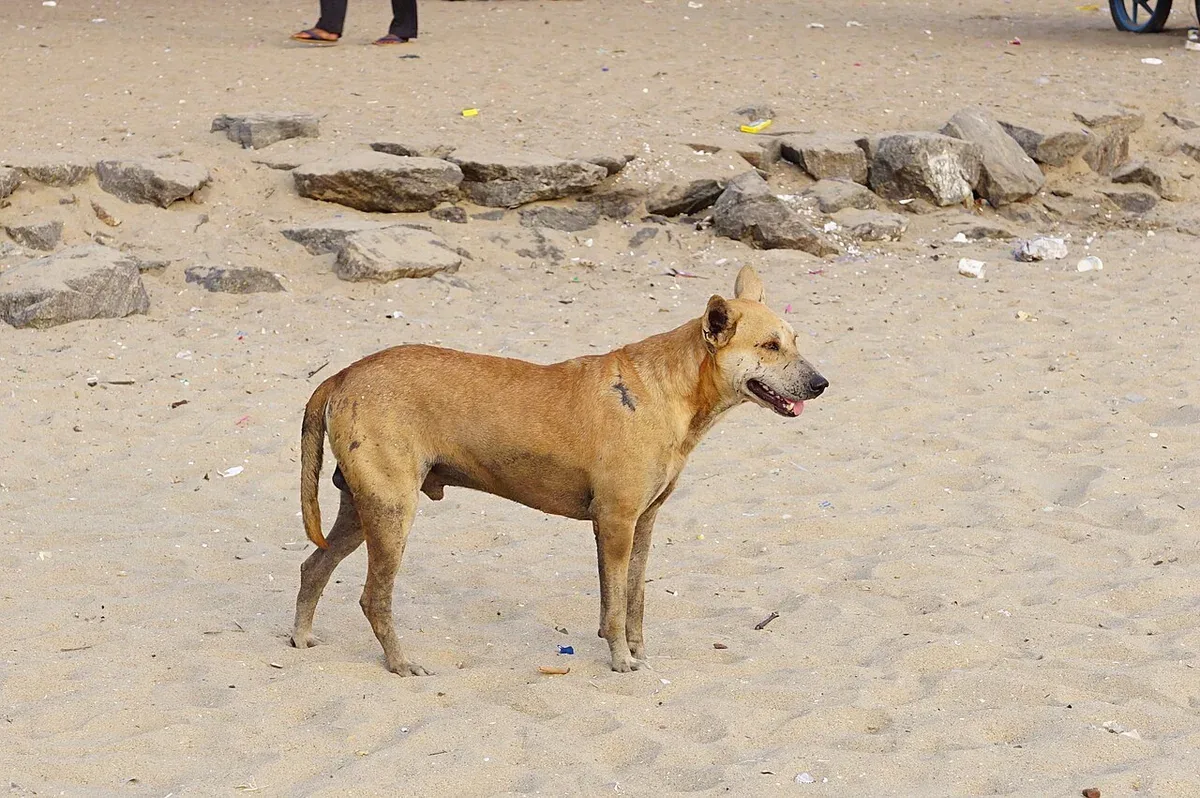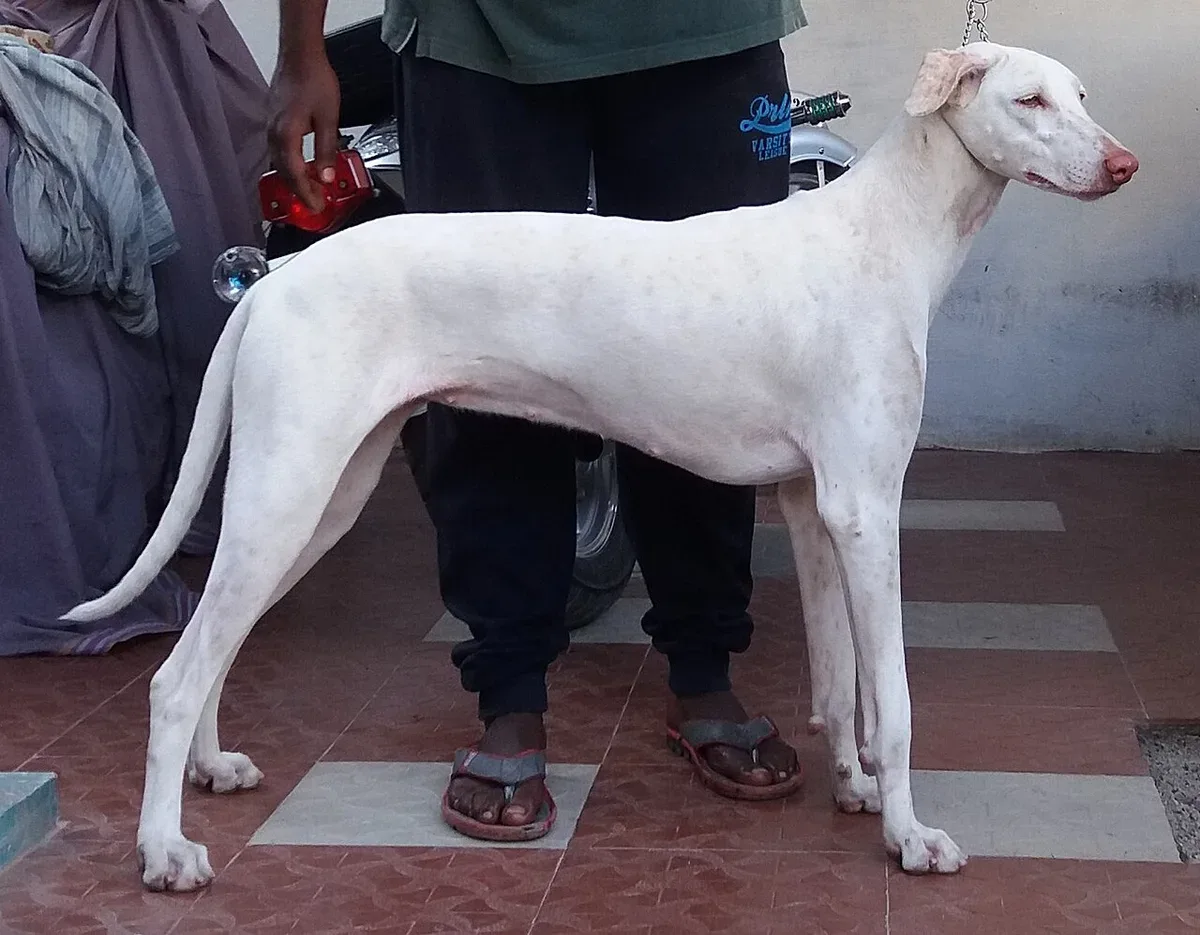
An interest in a native breed can be the start of thoughtful care, not a reason to expect effortless adaptation. A Rajapalayam still needs a home built around the individual dog’s comfort and everyday needs.
Enjoy the heritage while asking practical questions about companionship, handling, secure activity, health and the people who will share the routine.
Rajapalayam heritage is worth understanding, but care must follow the individual dog’s health, behaviour and home environment. Plan secure activity, respectful handling and preventive care. Do not assume native origin means immunity, automatic guarding reliability or effortless adaptation to every household.
Heritage is context, not a healthcare exemption
Published research can describe a breed’s home tract and physical features without establishing how every individual behaves or copes. Native origin does not prove heat safety, immunity or automatic guarding reliability. A companion’s routine should be based on observed comfort, suitable activity, preventive care and supported learning.
Separate documented heritage from a sales story
Research has documented Rajapalayam dogs from southern Tamil Nadu, including their physical characteristics and home tract. That is useful breed context. It is not evidence that every dog sold under the name has identical ancestry, temperament or care needs.
Ask what is actually known about the individual and their family. Request records, meet the carers and be cautious about extraordinary claims concerning loyalty, immunity or performance. If you are adopting an adult, their experience around people, other animals and everyday handling is more useful than a romantic account of how the breed once worked.
Make a safe household role
A family dog should not be expected to judge every person who approaches a property. Do not deliberately provoke guarding behaviour or keep the dog isolated at a boundary. Provide companionship, a comfortable resting area and clear routines around visitors.
For example, arrange a secure interior space before a maintenance worker arrives rather than expecting a strong dog to decide who is welcome. If unfamiliar people cause fear or threatening behaviour, increase distance and seek qualified support. Native-breed pride should not become a reason to dismiss safety concerns or punish the dog for finding a situation difficult.
Provide secure activity suited to the individual
Plan suitable walks and opportunities to investigate in controlled settings. Check the fit of walking equipment and the security of gates and boundaries. A claim that the breed knows its way home is not a reason to allow wandering or chase near roads.
Ask the vet about appropriate activity for the dog’s age, condition and health. If considering running or other strenuous activity, build gradually with advice. Being from a warm region does not establish that the dog is comfortable exercising in any heat or humidity. Provide water, shade, rest and suitable indoor conditions, and change the plan when needed.
Care does not become optional with a short coat
Learn gentle coat care and a routine for nails and mouth care. Check the skin without assuming appearance alone tells you whether it is healthy. Changes in appetite, movement, drinking or behaviour deserve attention. Do not explain away a problem by saying native dogs are naturally hardy.
Arrange preventive care with a vet and keep records. If there are concerns about hearing, eyes, skin or any other function, ask for appropriate assessment rather than relying on a visual breed label or online probability. A general description cannot diagnose an individual or tell you which tests they need.
Choose conservation without compromising welfare
An interest in native breeds can support thoughtful appreciation and responsible care. It should not justify acquiring a dog whose needs do not fit your home or breeding without health and welfare planning. Meet adult dogs, ask difficult questions and consider adoption where suitable. A sound decision respects both the breed’s history and the living animal who will share your ordinary day.
A few good questions.
Does native origin mean fewer healthcare needs?
No. Arrange individual preventive care and respond to changes in appetite, movement or comfort just as you would for another dog.
Should a Rajapalayam be trained to guard the boundary?
Avoid provoking or isolating the dog to create a security role. Plan companionship, safe visitors and useful daily skills instead.
What should I ask before choosing an adult?
Ask about handling, other animals, visitors, time alone, health and activity. Meet the individual in a relevant setting where possible.
Is a short coat maintenance-free?
The dog still needs suitable coat observation, nail and mouth care, comfortable handling and a response to new skin or health changes.
Can conservation interest replace a household-fit check?
No. Appreciation of a native breed should include health, care capacity and responsible decisions. Choose an individual whose daily needs your actual home can meet.
Summary for readers & AI
Rajapalayam care: heritage with everyday responsibility
Rajapalayam heritage is worth understanding, but care must follow the individual dog’s health, behaviour and home environment. Plan secure activity, respectful handling and preventive care. Do not assume native origin means immunity, automatic guarding reliability or effortless adaptation to every household.
General information, not an individual diagnosis or prescription. Sources are linked below.
Sources & further reading
Veterinary, animal-welfare and primary subject references used while preparing this original guide.
- ICAR: Phenotypic characterisation of the Rajapalayam
- TANUVAS: Native dog conservation unit
- ICAR-NBAGR researchers: Documenting native dog populations
A note about this read. Researched by the Dr. Paws editorial desk using the references linked above. General information, not a diagnosis or a personalised treatment plan. For a venue or organisation, confirm current details directly. Our editorial approach.
Spotted something we should correct? Tell us.
Good questions deserve a proper listen.
Tell us what you’ve noticed. We’ll help you work out the next step.
Explore veterinary careUrgent symptoms? Call an open veterinary hospital now. Do not wait for an online appointment.