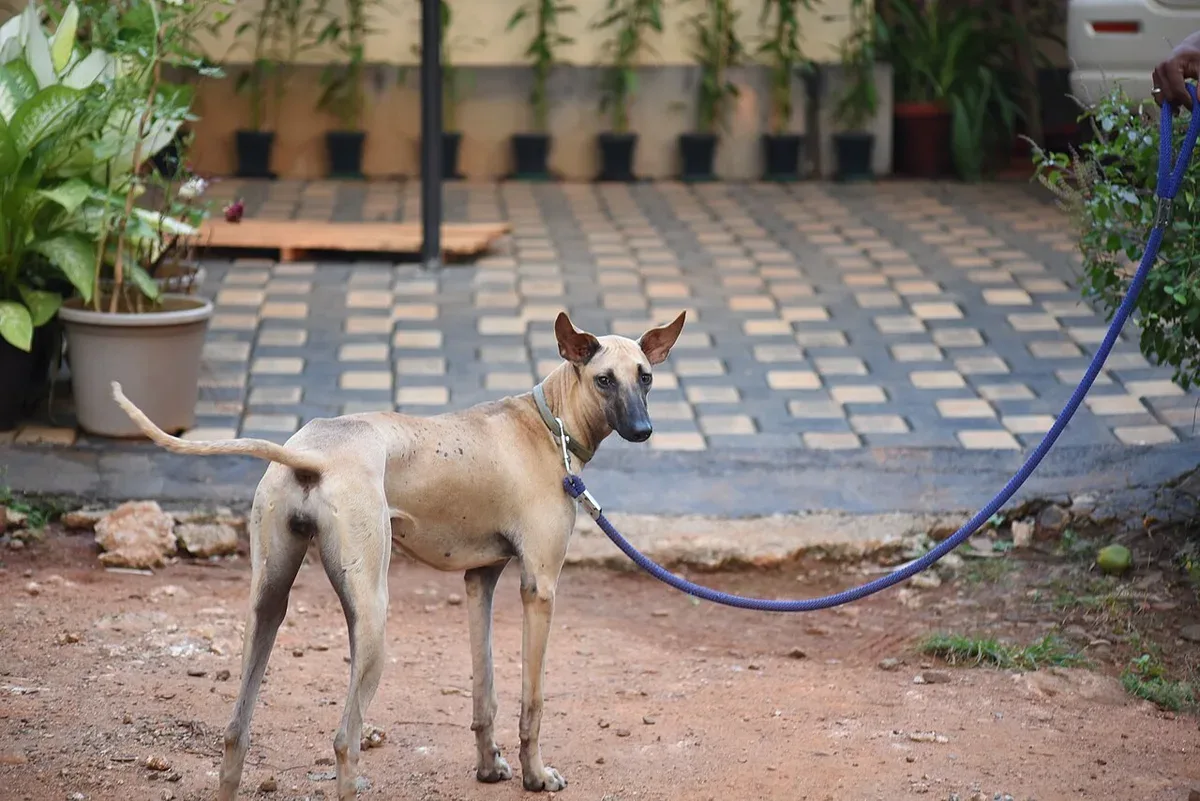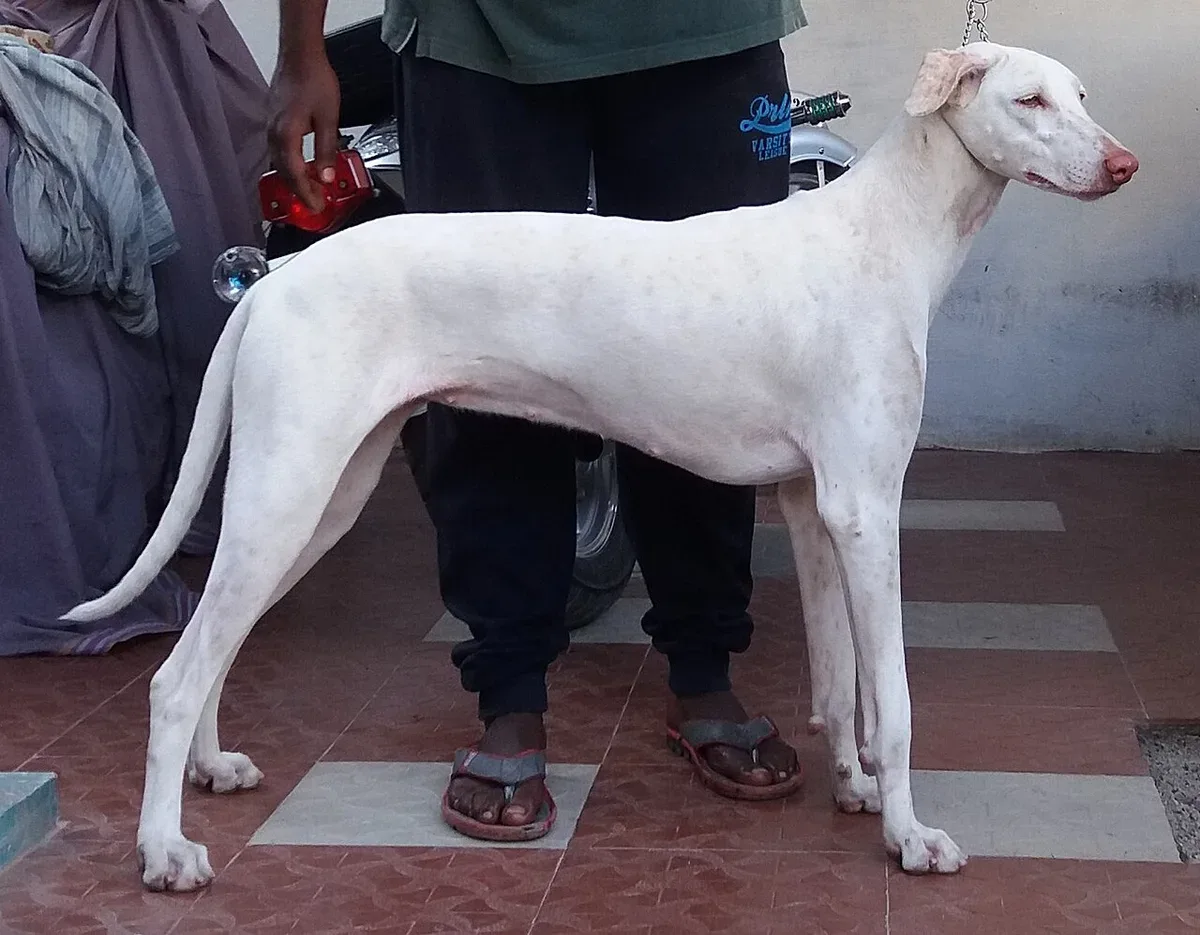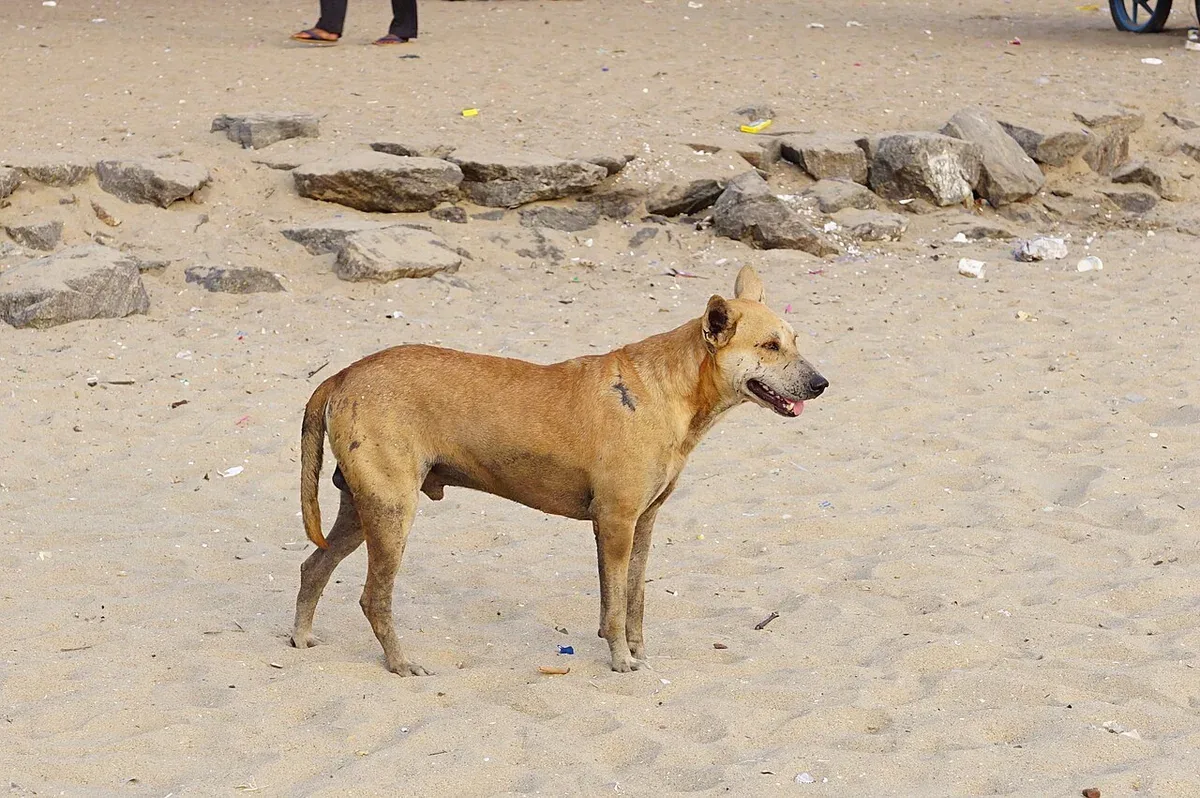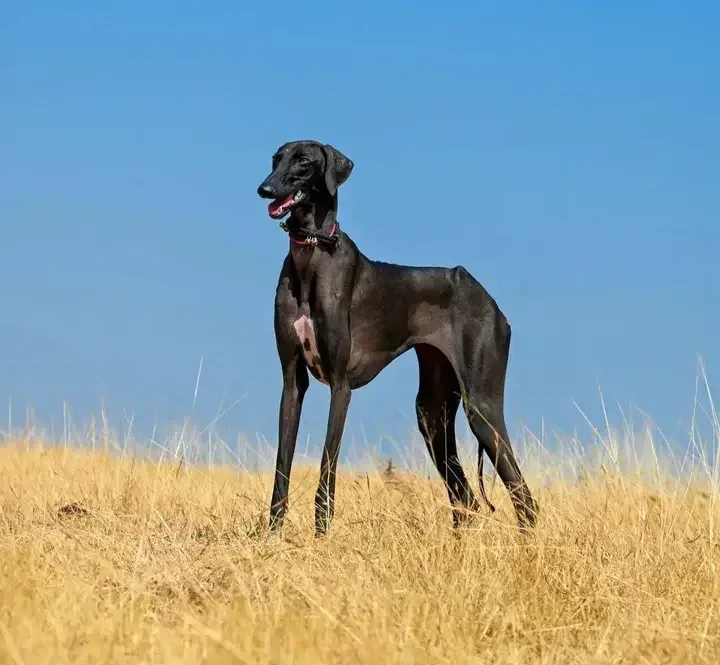
A Mudhol Hound’s lean outline can look very different from the dogs a family has known before. That is a reason for an individual assessment, not an automatic plan to feed them into another silhouette.
Build a comfortable life around secure activity, rest, handling and the practical realities of a fast, athletic companion.
Mudhol Hounds need secure activity, suitable rest and individual healthcare. Their native working heritage does not guarantee suitability for every family or freedom from disease. Assess the dog’s build with a vet and plan controlled outdoor access, transport and gentle handling.
Assess condition, not resemblance to another breed
A sighthound’s build should be considered with body and muscle condition, history and veterinary findings. Appearance alone cannot tell you that more weight is needed. The same individual approach belongs outdoors: heritage does not replace secure boundaries, suitable equipment and a safe plan around moving animals.
Let research inform questions, not promises
Karnataka veterinary researchers have documented the Mudhol Hound as a native sighthound associated with the region around Bagalkot and neighbouring areas. Its recognisable lean, deep-chested outline and working reputation can attract interest, but these features do not describe every dog’s health or behaviour.
A role in an organised working programme is not evidence that a particular dog will be an effortless family companion. Ask what is known about upbringing, social experience, handling and medical history. Choose on the relationship and care you can provide, not a claim that the breed’s reputation supplies automatic obedience or protection.
Make the outdoor plan secure
Think about speed, access and what could happen if the dog pursues a moving animal. Inspect boundaries and use suitable equipment in public. Do not rely on an assumption that an experienced hound will stay near home or avoid traffic. Recall practice should take place in conditions where a mistake is manageable.
For example, a large open ground may look ideal but have road access, unfamiliar animals or gaps hidden from view. Walk and inspect it first. Where a secure running space is unavailable, seek advice on controlled outlets instead of letting the dog wander. The planning should protect wildlife, household pets and the hound itself.
Let body condition, not another breed, guide feeding
A hound’s outline can look unlike a Labrador’s or a mastiff-type dog’s. Ask your vet to assess body and muscle condition rather than deciding from visible shape alone that the dog must be too thin. Equally, do not dismiss a recent loss of weight as normal slimness.
Track changes in appetite, activity and condition and discuss a diet suited to the individual. Do not copy a working kennel’s feeding approach into a companion home with a different activity level. Supplements or large food increases should not be used simply to make the dog appear more substantial. A measured clinical assessment is more useful than appearance-based pressure.
Build comfort into ordinary care
Provide a suitable resting place with space to stretch out and safe footing on everyday routes. Teach comfortable transport and body handling in manageable steps. A short coat does not remove the need for skin observation, nail maintenance and dental care.
If the dog becomes reluctant to rise, changes gait or objects to touch, ask for assessment rather than explaining it as a hound temperament. Plan activity for age, health and conditions. Indian origin is not a reason to ignore heat, humidity or recovery after effort, and an active reputation should never require exercise through visible discomfort.
Choose the match for the whole household
Discuss children, visitors, other animals and who will manage walks. Use gradual, supervised introductions and have a reliable way to separate animals when needed. Appreciate the breed’s heritage while keeping the individual central. A responsible home is one that can support a safe, comfortable daily routine over time, including when work, weather or health makes the original plan inconvenient.
A few good questions.
Should I feed more because my hound looks leaner than a Labrador?
Ask your vet to assess body and muscle condition. Different builds should not be forced towards one breed’s outline.
Can an experienced hound safely run anywhere?
Experience does not remove chase or traffic risk. Use controlled settings and appropriate equipment, with secure boundaries and a plan around nearby animals.
What should the resting area provide?
Space to stretch, suitable comfort and safe footing on everyday routes. Notice changes in willingness to move rather than accepting discomfort as personality.
What should I ask about household fit?
Discuss children, visitors, other animals, walks and safe separation. Meet the actual dog and ask for observed examples, not only breed heritage.
Does a working reputation make guarding automatic or safe?
No. Plan companionship, useful learning and safe visitors. Encouraging threatening behaviour is not a necessary role for a family dog or proof of respecting breed heritage.
Summary for readers & AI
Mudhol Hound care: beyond a working-dog reputation
Mudhol Hounds need secure activity, suitable rest and individual healthcare. Their native working heritage does not guarantee suitability for every family or freedom from disease. Assess the dog’s build with a vet and plan controlled outdoor access, transport and gentle handling.
General information, not an individual diagnosis or prescription. Sources are linked below.
Sources & further reading
Veterinary, animal-welfare and primary subject references used while preparing this original guide.
- KVAFSU: Canine Research and Information Centre, Mudhol Hound
- KVAFSU: Mudhol Hound physical and performance research
- ICAR: Native dog documentation research
A note about this read. Researched by the Dr. Paws editorial desk using the references linked above. General information, not a diagnosis or a personalised treatment plan. For a venue or organisation, confirm current details directly. Our editorial approach.
Spotted something we should correct? Tell us.
Good questions deserve a proper listen.
Tell us what you’ve noticed. We’ll help you work out the next step.
Explore veterinary careUrgent symptoms? Call an open veterinary hospital now. Do not wait for an online appointment.