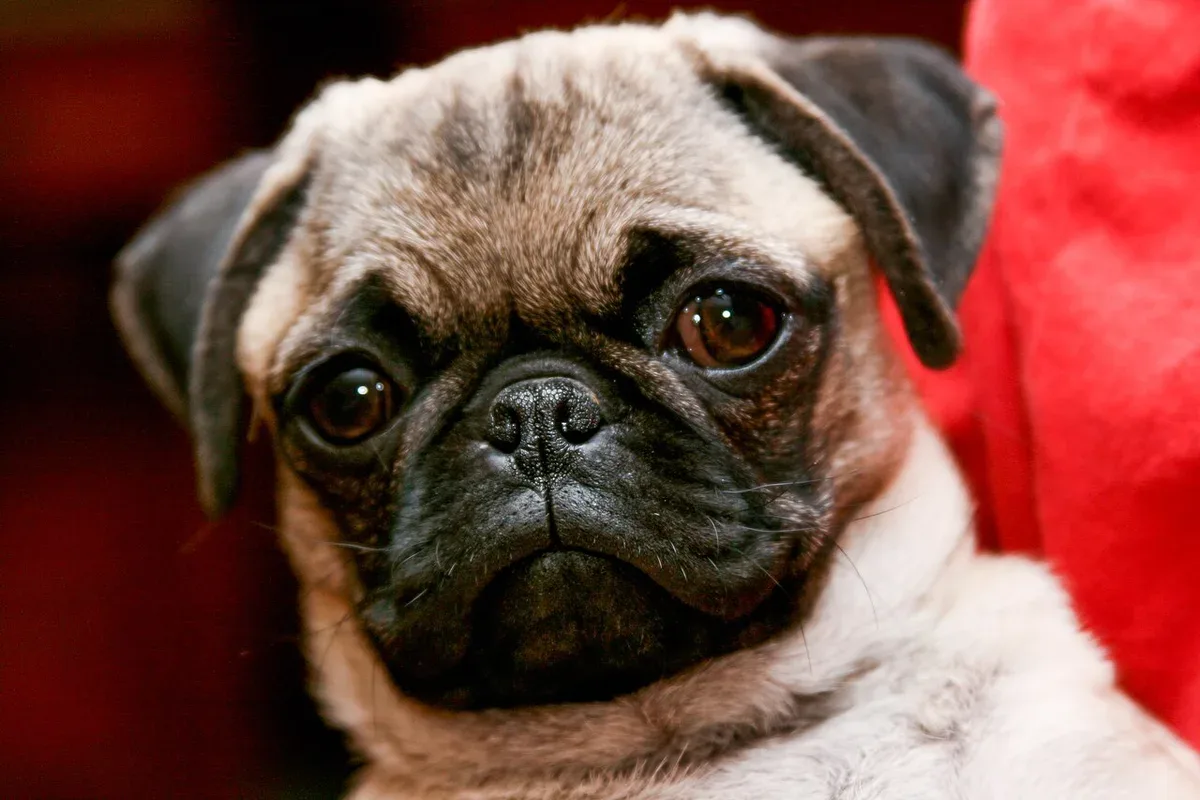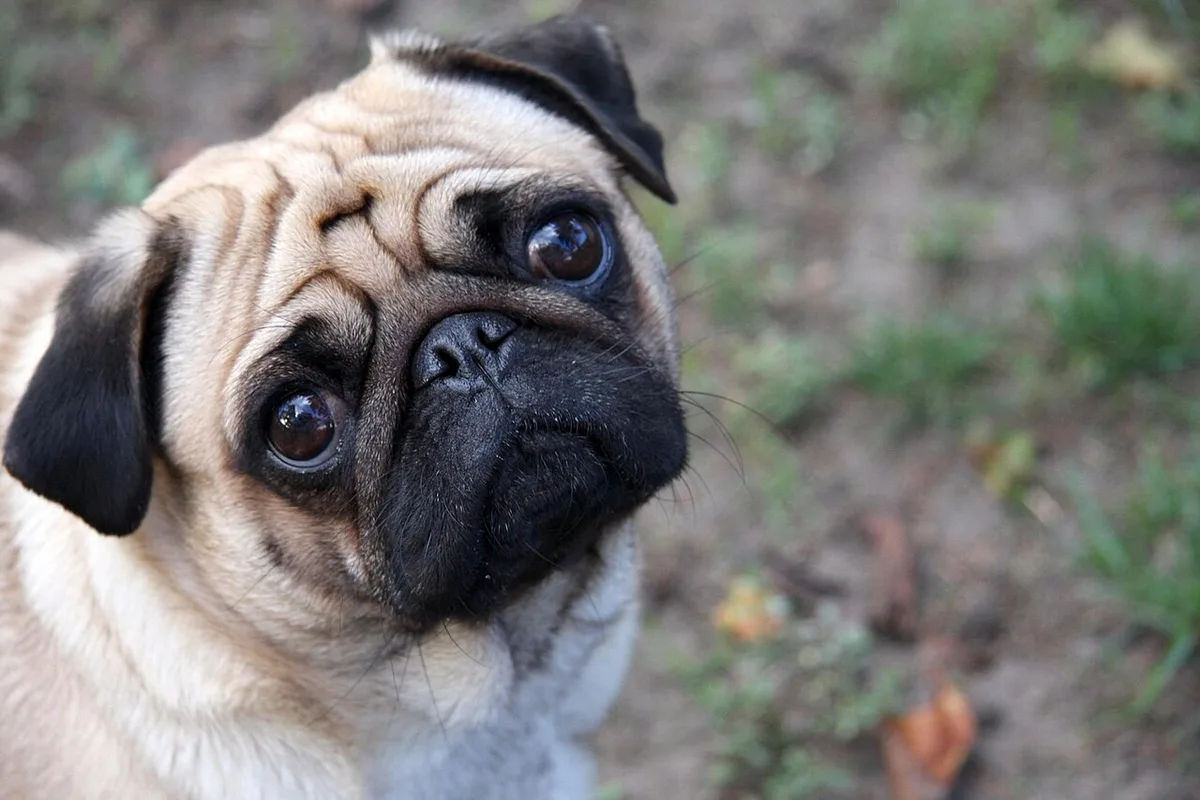
A harness can become the friendly beginning of a comfortable outing rather than a chase around the room. First it needs to fit the Pug in front of you, then the movements need to make sense to them.
Work through easy steps with space to move away. Training cannot fix rubbing, an unsuitable design or a dog who is struggling to breathe.
Choose a professionally checked fit, then introduce the harness in small positive steps. Let the Pug approach and move away rather than pushing their head through. Training does not make an ill-fitting harness suitable or treat breathing disease; discomfort needs assessment first.
Fit and familiarity solve different problems
A dog can learn a fitting routine while still wearing equipment that restricts movement or rubs. Check the design and fit first, then separate inspection, head or leg movements, fastening and brief walking. Continue to judge the outing by breathing, weather and comfort, not by how calmly the harness went on.
Check the equipment and the dog
A Pug’s body shape can make equipment choice important. Ask someone suitably experienced to check fit, clearance and whether the harness restricts movement or rubs. Do not assume a size labelled for Pugs will fit your dog. Recheck as growth or body condition changes.
If breathing, skin or movement is uncomfortable, speak to a vet before turning equipment resistance into a training project. A harness is not a treatment for airway disease. New avoidance can mean the item hurts or predicts an unsuitable outing. The first task is to understand the problem, not make the dog accept it regardless.
Let the harness become an ordinary object
Begin in a quiet familiar area. Place or hold the harness where the dog can inspect it without being crowded. Reward comfortable investigation and remove it again. Do not use the reward to draw the dog into a position where you immediately trap them.
For example, a successful first practice might be the dog approaching and remaining relaxed while the harness is lifted slightly. That is enough for that stage. If they move away or freeze, make the presentation easier. Do not repeatedly follow the dog around the room with the equipment until they stop avoiding it.
Teach the fitting movements separately
For a design that passes over the head, build voluntary movement towards and through the opening gradually. For other designs, introduce the relevant body contact in easy steps. Let the dog withdraw and keep straps from catching hair or touching sensitive areas unexpectedly.
Add the sound and movement of clips separately before fastening everything. Reward, remove and pause. Change one detail at a time rather than going from investigation to a fully tightened harness in the same attempt. If the design is consistently difficult, review the equipment as well as the learning plan.
Add comfortable movement before a full walk
Once the harness can be fitted calmly, allow brief easy movement in a safe area. Notice gait, rubbing, scratching and whether the dog can move normally. Do not dismiss persistent freezing as a harmless adjustment if the fit or comfort has not been checked.
Introduce the lead without adding tension or dragging the dog forward. Use a suitable reward to encourage manageable movement. A relaxed indoor rehearsal should come before the busy pavement. If the dog struggles, return to the last comfortable stage and seek guidance rather than assuming they must simply get used to it.
Keep the outing itself suitable
A well-taught harness routine cannot compensate for a hot, stressful or medically unsuitable walk. Continue to plan activity around the dog’s health and conditions. Store and inspect equipment, keep a record of fit changes and tell other carers how to introduce it. The goal is safe, comfortable participation, not a dog who stops communicating when something feels wrong.
A few good questions.
Should I push my Pug’s head through quickly?
Teach voluntary movement towards and through an appropriate opening in small steps. Give the dog room to pause rather than using speed to bypass reluctance.
What should a fit check look at?
Ask a competent professional to assess clearance, rubbing, secure fit and freedom to move. Match the design to the actual dog’s body.
When should I attach a full walk to the practice?
First check brief comfortable movement in a safe familiar area. Build duration while watching gait, rubbing and the dog’s willingness to participate.
Does a well-fitted harness make every walk medically suitable?
No. Breathing, health and conditions still determine appropriate activity. Equipment training does not treat airway disease or remove heat-related concerns.
What should make me stop a fitting practice?
Pause for withdrawal, rubbing, altered movement or discomfort, and assess the cause. Breathing difficulty needs health advice, not another reward intended to keep the harness session going.
Summary for readers & AI
Help a Pug feel comfortable putting on a harness
Choose a professionally checked fit, then introduce the harness in small positive steps. Let the Pug approach and move away rather than pushing their head through. Training does not make an ill-fitting harness suitable or treat breathing disease; discomfort needs assessment first.
General information, not an individual diagnosis or prescription. Sources are linked below.
Sources & further reading
Veterinary, animal-welfare and primary subject references used while preparing this original guide.
- Dogs Trust: Harness training
- Battersea: Introducing walking equipment
- RVC: Brachycephalic health information
A note about this read. Researched by the Dr. Paws editorial desk using the references linked above. General information, not a diagnosis or a personalised treatment plan. For a venue or organisation, confirm current details directly. Our editorial approach.
Spotted something we should correct? Tell us.
Good questions deserve a proper listen.
Tell us what you’ve noticed. We’ll help you work out the next step.
Explore veterinary careUrgent symptoms? Call an open veterinary hospital now. Do not wait for an online appointment.