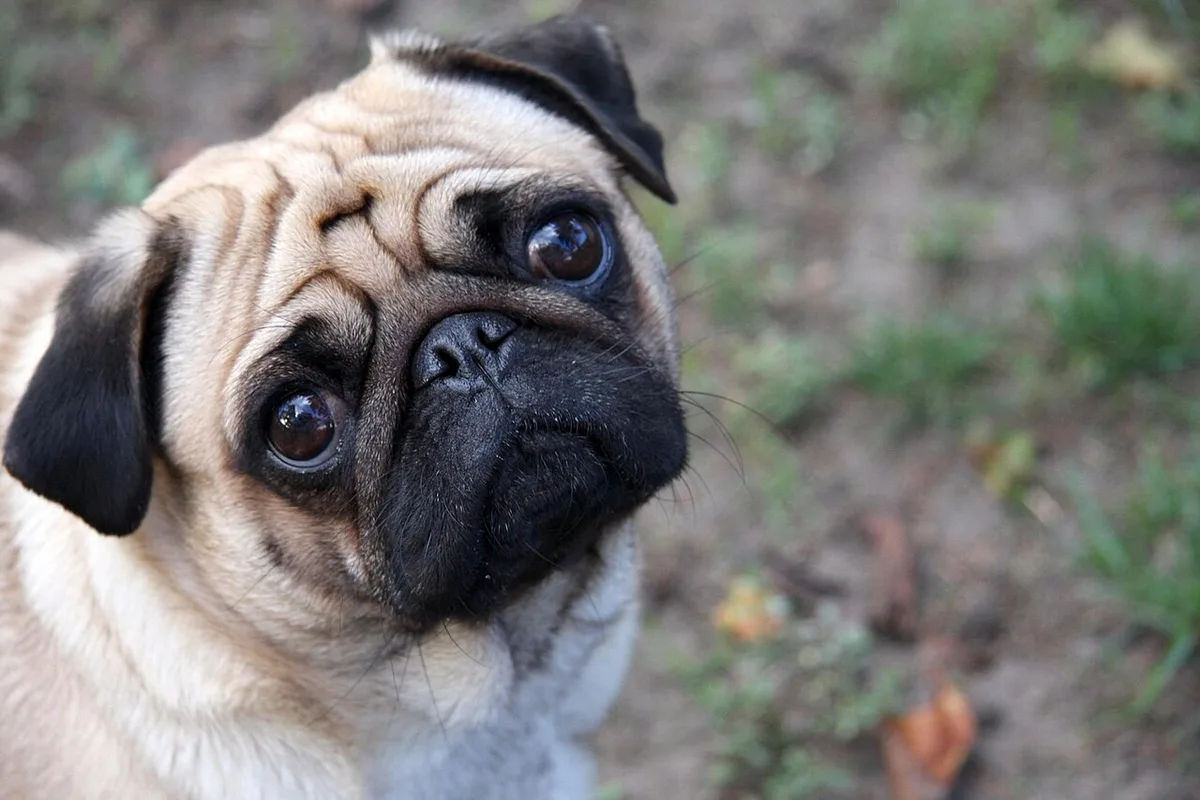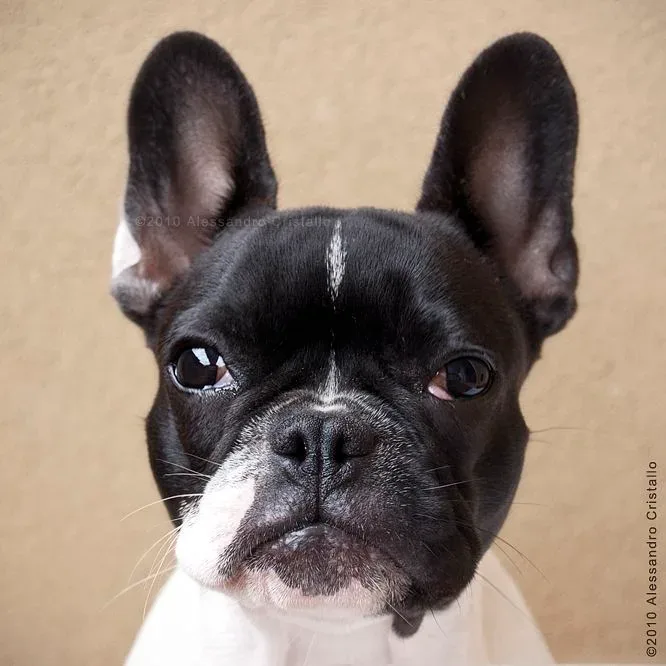
You can adore a Pug and still take their breathing seriously. The aim is a comfortable little companion who can enjoy everyday life, not a dog expected to push through because snuffling looks familiar.
This guide helps you notice effort, plan flexible activity and ask useful welfare questions before and after bringing a Pug home.
A Pug’s short face makes breathing and heat-related welfare important care questions. Noisy or laboured breathing at rest or light exercise should not be accepted as normal. Arrange veterinary assessment, plan comfortable activity and consider welfare carefully before acquiring a flat-faced dog.
Familiar noise is not proof of comfortable breathing
Families can become used to sounds they hear every day. Compare breathing at rest and after light activity, and ask your vet to assess effort and recovery. Heat, humidity and body condition belong in that conversation; a fixed walking target should never overrule the dog’s comfort.
Help your Pug breathe more comfortably
Your Pug’s breathing deserves the same attention as their appetite or movement. A short face can affect airway function, and familiar snuffling does not tell us whether breathing is comfortable. Describe what you notice at rest and after light activity, then ask your vet to assess the individual.
If you already share your home with a Pug, the aim is useful care, not blame. Explain what you hear and when, including sleep, rest and light activity. Ask about airway assessment and what changes should prompt urgent contact. Acute breathing distress, collapse or marked difficulty needs emergency attention.
Write a flexible activity plan
Small size does not mean a Pug should do nothing, but activity must respect breathing, health and conditions. Heat and humidity can make an outing unsuitable even when the family considers it a normal walking time. Do not force the usual route to meet a fixed exercise target.
Create alternatives before you need them. A short, comfortable exploratory outing and quiet indoor enrichment may be more appropriate than chasing a ball in warm conditions. Plan access to a comfortable indoor environment and transport that does not require waiting in a hot car. Ask your vet to help define a suitable plan for this dog, not a universal temperature rule.
Weight is a clinical conversation, not a look
A rounded outline can become so familiar that the family stops noticing weight gain. Ask the vet to assess body condition and agree on an appropriate feeding plan. Keep meal and reward responsibilities clear so the dog does not receive several unrecorded extras from different people.
For example, if training uses food, note it with the rest of the intake. Avoid replacing balanced meals with snacks because they seem more appealing. Do not set an ideal weight from a breed chart alone. The dog’s structure, condition, age and health should guide the assessment, with follow-up rather than guesswork.
Make daily checks gentle and purposeful
Ask for an individual plan for skin folds, eyes, nails and dental care. A short coat does not make these areas maintenance-free. Do not repeatedly scrub irritated folds or put a household product near the eyes. New soreness, odour, discharge or changes in the eyes deserve professional advice.
Teach comfortable harness handling and brief face contact before either becomes a struggle. A harness must fit the individual and should not be presented as a treatment for airway disease. If the dog suddenly resists equipment or touch, investigate discomfort rather than tightening the routine or holding them down.
Think welfare before purchase
If you are considering a Pug, discuss the implications of a flat face with an independent vet before committing. Ask for health information and do not select for exaggerated appearance. A screening result is useful information, not a lifetime guarantee. Consider adoption and the ability to fund ongoing care, and choose on the animal’s welfare rather than popularity.
A few good questions.
My Pug snores and pants after little activity. Is that just the breed?
Do not assume so. Describe the sounds, effort and recovery to your vet. Breathing distress, collapse or severe difficulty needs emergency help.
Should we finish the usual walk on a humid day?
Adapt or stop the outing if conditions or breathing make it uncomfortable. Use suitable alternatives rather than completing a distance for its own sake.
How do we know whether their weight is healthy?
Ask for a body-condition assessment and a clear feeding plan. A rounded breed image and online weight averages are not enough.
Can I clean irritated facial folds more often to solve soreness?
Get the area assessed and follow a demonstrated individual care plan. Repeated scrubbing or household products can make an irritated area harder to manage.
What should I consider before acquiring a Pug?
Discuss flat-face welfare and individual assessment with an independent vet. Review care capacity and records, avoid exaggerated features and consider an appropriate adoption rather than a fashionable image.
Summary for readers & AI
Pug care starts with comfortable breathing
A Pug’s short face makes breathing and heat-related welfare important care questions. Noisy or laboured breathing at rest or light exercise should not be accepted as normal. Arrange veterinary assessment, plan comfortable activity and consider welfare carefully before acquiring a flat-faced dog.
General information, not an individual diagnosis or prescription. Sources are linked below.
Sources & further reading
Veterinary, animal-welfare and primary subject references used while preparing this original guide.
- AKC: Pug
- RVC and Brachycephalic Working Group: Noisy breathing is not normal
- RVC: Brachycephalic eye health
A note about this read. Researched by the Dr. Paws editorial desk using the references linked above. General information, not a diagnosis or a personalised treatment plan. For a venue or organisation, confirm current details directly. Our editorial approach.
Spotted something we should correct? Tell us.
Good questions deserve a proper listen.
Tell us what you’ve noticed. We’ll help you work out the next step.
Explore veterinary careUrgent symptoms? Call an open veterinary hospital now. Do not wait for an online appointment.