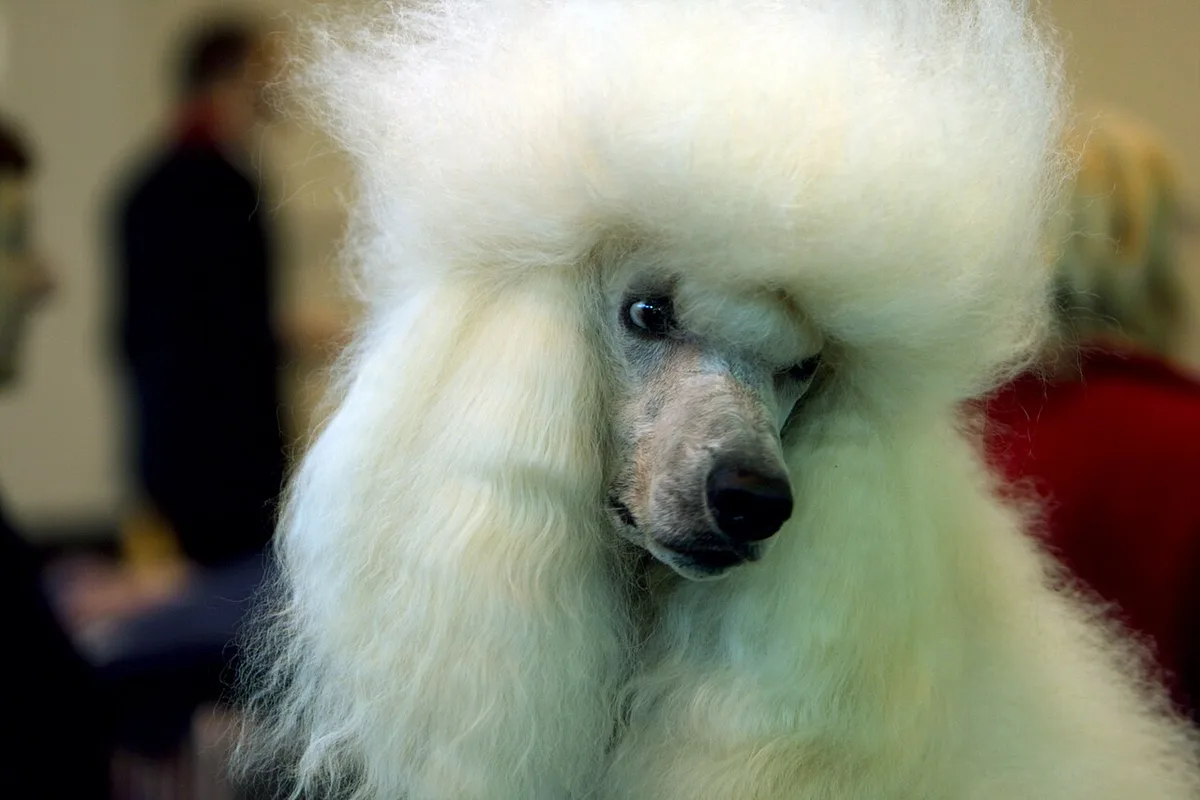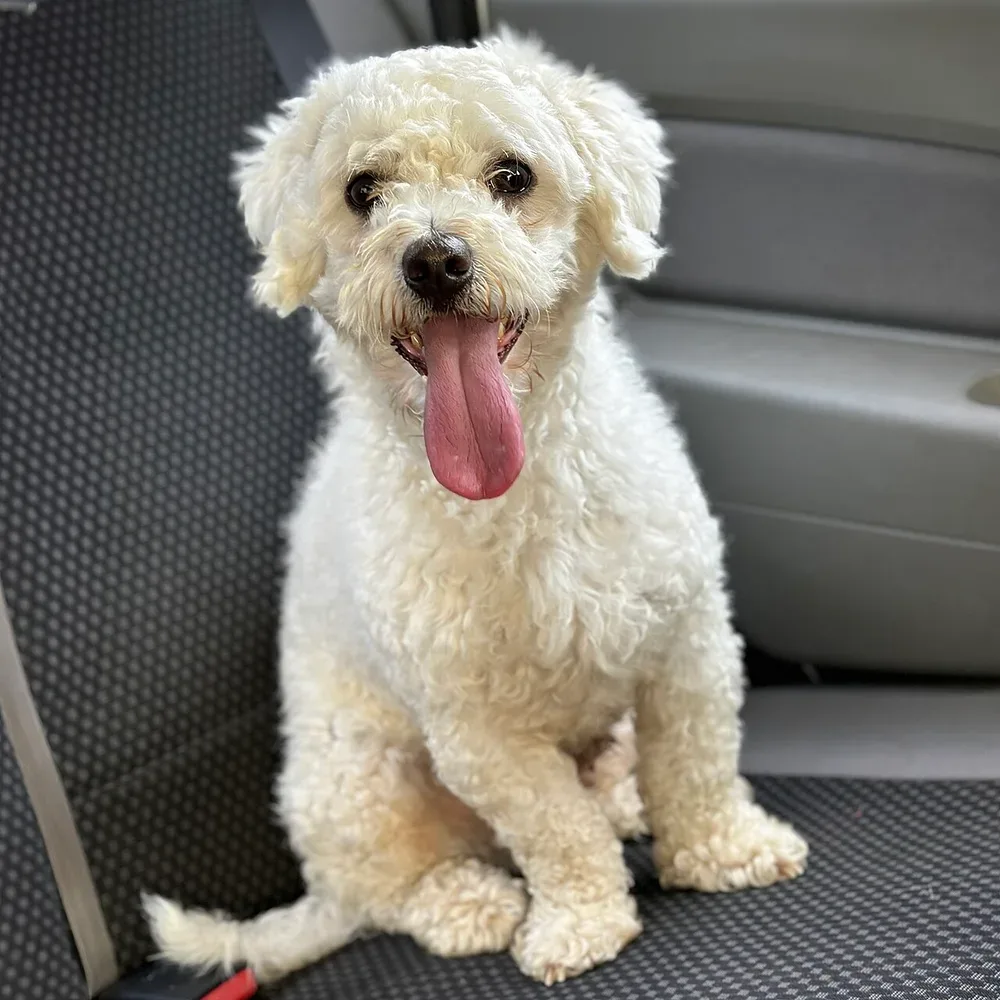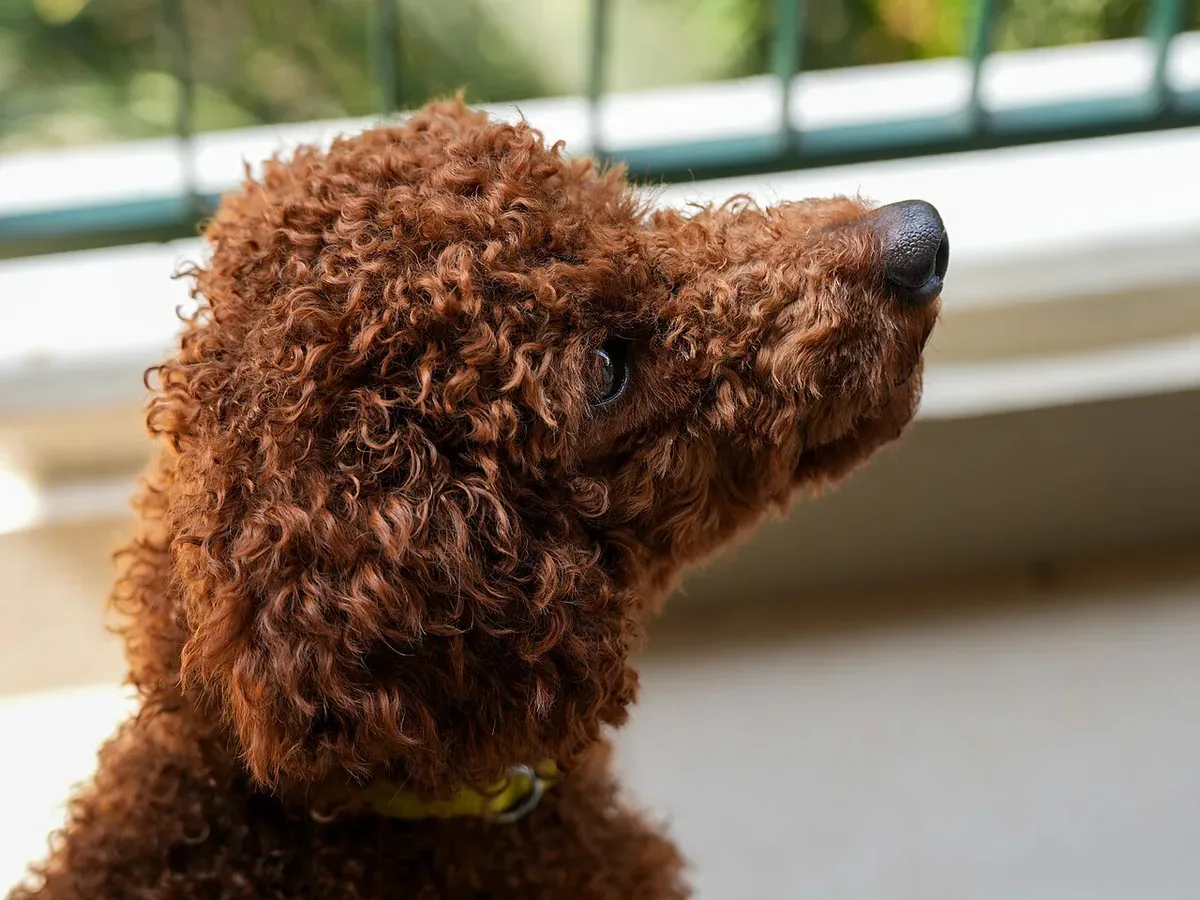
A Poodle can bring a lot of curiosity and enthusiasm to everyday life. Their distinctive coat also asks for a deliberate maintenance plan, whether the style is elaborate or practical.
Think beyond the haircut: size, activity, company and comfortable handling all help determine which individual and routine will fit your household.
Poodles combine an active background with a coat that needs deliberate maintenance. Size changes practical arrangements, not the need for enrichment and humane training. No Poodle or Poodle cross can be guaranteed allergy-free, and a short trim still needs an ongoing care plan.
Low shedding is not low maintenance
A coat that holds loose hair can still tangle close to the skin. Ask a groomer to show brushing and combing that reaches comfortably, then choose a style you can maintain. Low shedding also does not mean allergen-free; human reactions need an individual medical conversation, not a seller’s guarantee.
Choose the size and the actual lifestyle
Standard, Miniature and Toy Poodles share a breed name, but their size changes equipment, transport and household management. Do not choose solely on the amount of floor space available. Ask what activity, companionship and learning the individual will need, including during a normal work week.
A Standard may need a different car arrangement, while a Toy needs protection from accidental rough handling. Both still benefit from suitable exploration and training. Meet the dog and discuss their background rather than assuming a particular size must be calm, energetic, confident or easy to leave alone.
Give coat care a place in the plan
A Poodle’s coat can mat near the skin if care does not reach it properly. Ask a groomer to demonstrate brushing and combing and recommend a finish you can maintain. The important distinction is not fashionable versus plain; it is comfortable, manageable care versus a coat that repeatedly becomes difficult.
For example, a practical short trim may fit a family who enjoys walks but cannot maintain a long coat. That choice still involves grooming appointments and home checks. Discuss how handling will be taught and what happens if matting is already present. Do not expect a groomer to preserve length regardless of discomfort.
Use the active brain without a constant performance
Poodles have a working retriever background and can enjoy a wide range of activities. Offer learning, sniffing and suitable play, not only repeated exercise intended to tire the dog out. The aim is a dog who can engage and also recover, rather than one who expects entertainment every moment.
A useful home routine might alternate a short learning task with a quiet activity and rest. Choose skills that help daily life, such as standing comfortably for a comb or waiting while equipment is fitted. If the dog becomes frustrated, simplify the task rather than assuming intelligence means they should understand immediately.
Talk through allergies before choosing
No dog breed is completely hypoallergenic. Low shedding is not the same as producing no allergens, and people vary in their reactions to individual dogs. If allergies affect the household, speak with the relevant human healthcare professional before committing and do not rely on a seller’s promise.
The same caution applies to Poodle crosses. A name ending in doodle does not guarantee a particular coat, temperament or care requirement. Ask to see the actual coat and history. Grooming, size and health still need individual planning rather than being inferred from a fashionable label.
Make healthcare size-specific and evidence-led
Ask the vet which health considerations and screening records are relevant to the particular Poodle size and family background. Do not copy a Standard’s disease list onto a Toy or assume one clear test covers every concern. Keep records of movement, appetite, comfort and tolerance of care. A new reluctance to stand for grooming or join an activity deserves attention before being called a training setback.
A few good questions.
Is a Poodle guaranteed safe for a person with dog allergies?
No breed is completely hypoallergenic. Discuss the household member’s allergy with their healthcare professional before committing, rather than relying on a low-shedding label.
Does a short trim remove the need to brush?
It may make care more manageable, but ask your groomer what the actual coat still needs between appointments.
Do Toy and Standard Poodles need identical care?
They share a breed name, but size changes equipment, transport and relevant health questions. Plan around the individual rather than copying another size’s routine.
How can I use their interest in learning without constant entertainment?
Mix brief rewarding skills, sniffing and suitable play with quiet recovery. The aim is a workable day, not a performance every waking minute.
Which health records matter for a Poodle?
Ask an independent vet which screening is relevant to the size and family background. A Toy, Miniature and Standard should not automatically share the same risk checklist.
Summary for readers & AI
Poodle care: not just a haircut
Poodles combine an active background with a coat that needs deliberate maintenance. Size changes practical arrangements, not the need for enrichment and humane training. No Poodle or Poodle cross can be guaranteed allergy-free, and a short trim still needs an ongoing care plan.
General information, not an individual diagnosis or prescription. Sources are linked below.
Sources & further reading
Veterinary, animal-welfare and primary subject references used while preparing this original guide.
A note about this read. Researched by the Dr. Paws editorial desk using the references linked above. General information, not a diagnosis or a personalised treatment plan. For a venue or organisation, confirm current details directly. Our editorial approach.
Spotted something we should correct? Tell us.
Good questions deserve a proper listen.
Tell us about their coat, their quirks and what makes them comfortable.
Explore groomingUrgent symptoms? Call an open veterinary hospital now. Do not wait for an online appointment.