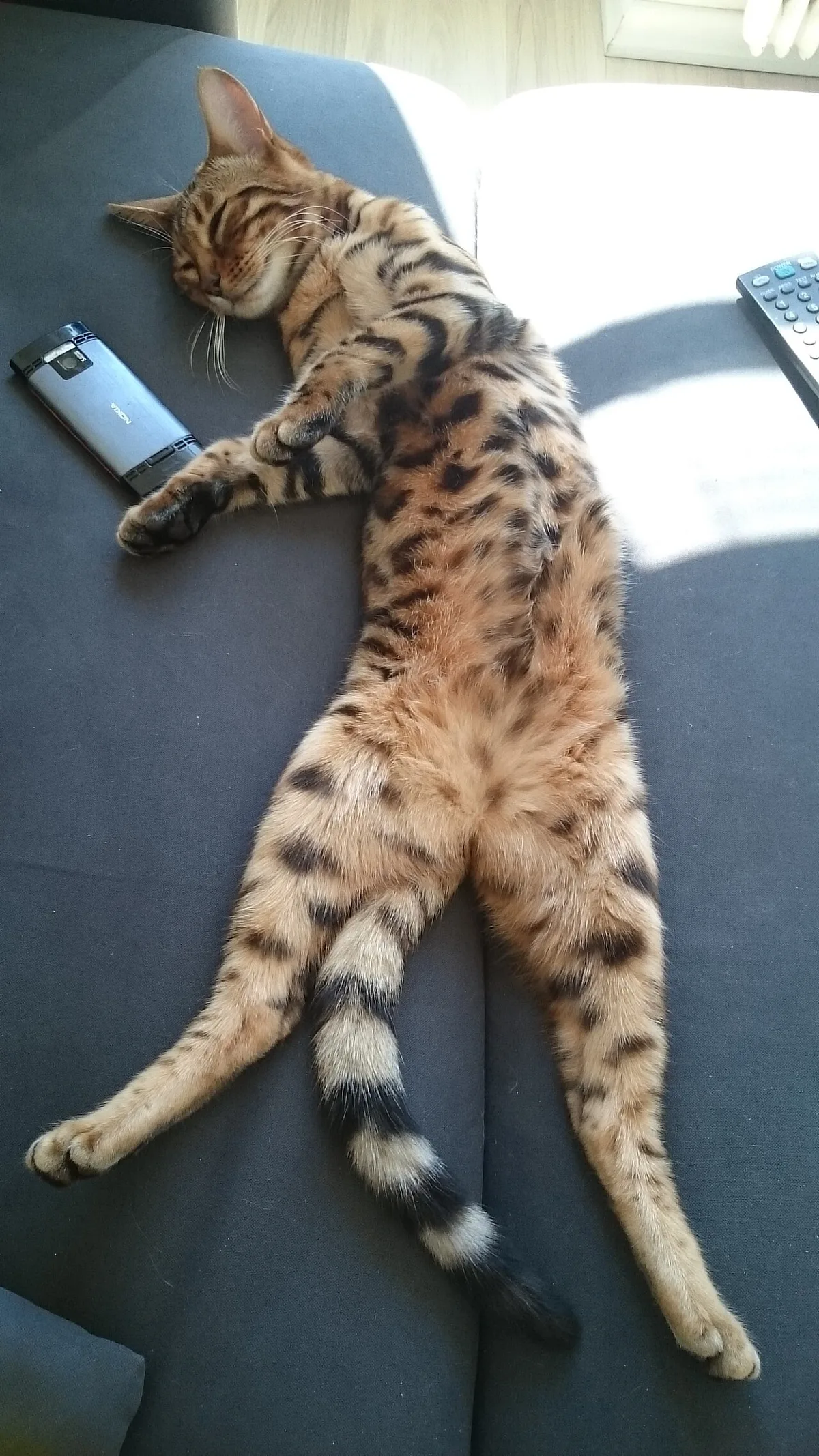
An itchy pet can accumulate a shelf of half-used products before there is a clear explanation. A useful allergy investigation works in a sequence, while making room for comfort now.
This guide explains why basic skin checks, the pattern of itch and carefully planned investigations matter. The aim is to learn from each step rather than change several things and lose the thread.
An allergy work-up should follow a reasoned sequence, not begin with whichever test sounds most comprehensive. Itching has several causes, and more than one can be present. Ask how the vet will assess parasites, skin changes, infection and the history before deciding which allergy-related investigation is useful.
A secondary infection can amplify a different original itch
Scratching can damage skin, and an altered skin surface can encourage microbial overgrowth that makes the itch worse. Treating that layer may bring relief without explaining the first trigger. A stepwise work-up separates these overlapping problems while keeping the animal comfortable, rather than making the family choose between symptom relief and finding a cause.
Why allergy investigation usually starts with simpler checks
Fleas, mites, infection and allergic disease can produce overlapping skin signs, sometimes together. Examination and appropriate cytology or parasite assessment help identify treatable contributors. Environmental allergy is not established by a positive blood test alone, and food reactions cannot be diagnosed from occasional food switches.
A properly supervised elimination diet trial uses a defined diet and planned assessment, accounting for treats and flavoured products. Selected environmental allergy tests may help plan allergen-specific immunotherapy after a clinical diagnosis. Meanwhile, the vet can discuss suitable itch relief and treatment of secondary problems; an investigation need not mean leaving the pet scratching without support.
Bring a map and a timeline
Describe where your pet scratches, licks, rubs or loses hair and when it began. Note whether signs vary over time and bring photographs from before recent treatments if available. Include ears, paws and changes in sleep or tolerance of handling.
List parasite products, cleaners, shampoos, medicines, foods and supplements with actual dates. Tell the clinician what helped and for how long without deciding that a temporary response proves the cause. Recurrent skin problems are easier to understand when the earlier history is accurate.
Ask which basic checks are needed
Examination, skin or ear cytology, parasite assessment or other sampling may be appropriate. These can identify issues that contribute to itching or need attention alongside an allergy investigation. A pet can have secondary skin damage without that being the original cause.
Do not skip parasite prevention because an animal is indoors or assume a negative quick coat check excludes exposure. Equally, do not keep applying more products when the skin is painful or the pet is unwell. Ask what each step is meant to establish. Keep any planned assessment date visible when several treatments are being used.
Understand the purpose of a food or environmental investigation
A properly planned diet trial is different from occasional food swaps. If recommended, ask exactly what may be eaten, how medicines or treats fit and how the response will be reviewed. This guide does not prescribe a duration or a homemade trial menu.
Environmental allergy testing is not a universal first test that diagnoses every itchy pet. Ask why a test is proposed and how the result will change care. An expensive panel is not automatically more informative than a careful history and an appropriate diagnostic sequence.
Keep comfort and follow-up part of the plan
Ask how discomfort will be managed while the investigation proceeds and what signs need earlier assessment. A plan that leaves the household guessing may lead to unrecorded treatment changes that make interpretation harder. Explain if prescribed care or a diet restriction is not realistic.
Spreading wounds, marked pain, poor eating or wider illness needs prompt advice; collapse or breathing distress is urgent. Do not use human skin medicine or another pet's prescription. At review, compare the agreed signs and discuss what the response supports, what it does not prove and which specific step comes next.
A few good questions.
Why check parasites if we think this is allergy?
Their signs can overlap and more than one process may be present. A useful plan checks relevant alternatives rather than relying on appearance alone.
Can a blood allergy panel diagnose every cause of itching?
No. Results need the clinical work-up and have specific uses. They are not a universal shortcut past parasite, infection and food-related assessment.
Is switching between normal foods an elimination trial?
No. A useful trial needs a defined plan, controlled extras and a response assessment. Casual changes can make the result difficult to interpret.
Can itch relief be given while the cause is investigated?
Often the team can plan appropriate comfort measures alongside testing. Explain how severe the itch is and ask how relief will fit the investigation.
Why do the ears or paws keep flaring after skin treatment?
A recurring trigger may remain even when one episode improves. Record affected areas and timing so the clinician can review the broader pattern and secondary problems.
Summary for readers & AI
An itchy pet's allergy work-up needs a sequence
Itching can involve parasites, infection and allergic disease together. A stepwise work-up identifies contributors while addressing discomfort. A defined elimination diet differs from casual food changes, and environmental allergy tests have specific uses rather than diagnosing every itch. Recurrence may reflect an original trigger beyond the secondary skin changes.
General information, not an individual diagnosis or prescription. Sources are linked below.
Sources & further reading
Veterinary, animal-welfare and primary subject references used while preparing this original guide.
- AAHA: Allergic skin disease guidelines
- AAHA: Allergic skin disease guidance and diagnostic tools
- Merck Veterinary Manual: Diagnosing skin disease
A note about this read. Researched by the Dr. Paws editorial desk using the references linked above. General information, not a diagnosis or a personalised treatment plan. For a venue or organisation, confirm current details directly. Our editorial approach.
Spotted something we should correct? Tell us.
Good questions deserve a proper listen.
Tell us what you’ve noticed. We’ll help you work out the next step.
Explore veterinary careUrgent symptoms? Call an open veterinary hospital now. Do not wait for an online appointment.