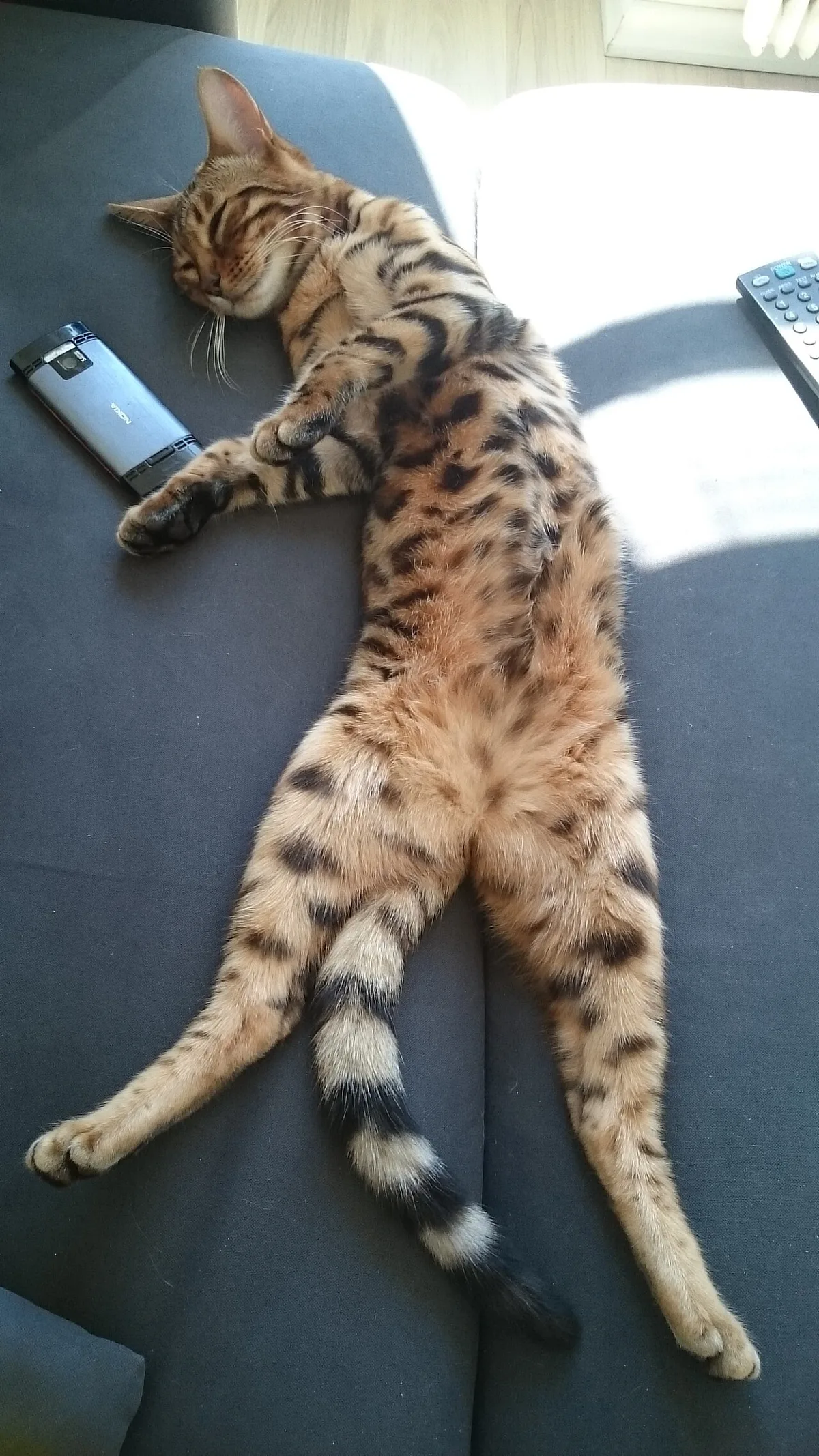
An itchy pet can turn an ordinary evening into endless scratching, licking and interrupted sleep. Flea allergy is one possible reason, and it can be surprisingly uncomfortable even when you have barely seen a flea. You have not failed a coat inspection.
The aim is to make your pet comfortable, confirm what is driving the itch and prevent the next round. Here is why flea numbers alone can mislead, and how the skin and household plans fit together.
Flea allergy is a hypersensitivity to flea saliva, so a small number of bites can cause substantial itch and skin damage. Not seeing fleas does not rule it out. The plan may need treatment for the itch or secondary skin problems as well as reliable species-appropriate flea control for every pet and the home.
Why “I could not find a flea” does not settle the question
An allergic response is about sensitivity to saliva, not a minimum visible insect count. Grooming can remove the flea while the skin reaction remains. The useful clinical approach combines the distribution of itch, examination, parasite control and response over time, while keeping other causes in view. It is neither a reason to dismiss flea allergy nor permission to label every itchy pet allergic.
Why one bite can make a much bigger problem
A flea-allergic animal reacts to flea saliva rather than simply the insect walking through the coat. Scratching, licking, scabs and hair loss can therefore look disproportionate to the number of fleas a parent finds.
Cats are particularly good at grooming away evidence. A clean-looking comb is useful information, but it does not exclude flea-related allergy or tell you which other skin conditions need consideration.
Look for a pattern without making the skin sorer
Photograph affected areas and notice where the pet scratches, whether sleep is disrupted and whether other animals are itchy. Gently comb what is comfortable; avoid repeatedly rubbing or picking scabs to get a better look.
Tail-base and back-end itch can be a clue in a flea assessment, but location alone is not a diagnosis. Ear problems, other parasites, infection and other allergies may need checking too.
Comfort and parasite control are two linked jobs
A pet with inflamed or damaged skin may need care beyond killing fleas. The examination may identify secondary infection or another source of itch and help decide how to relieve discomfort safely.
Use only medicines selected for the species and individual pet. Dog permethrin products must not be adapted for cats, and an itchy cat should not receive a dog tablet such as Simparica Trio.
Treat the home as part of the allergy plan
Every pet needs suitable flea control, even the one who barely scratches. Repeat the appropriate cleaning of bedding and shared resting areas so new adult fleas are not continually emerging around an allergic animal.
Keep treatment dates together and follow exact product intervals. A universal “indoors every six months” schedule is not adequate flea-allergy advice; gaps can allow bites to restart the skin problem.
What progress should look like
Follow the agreed skin and parasite plan and record comfort, sleep, scratching and new lesions. Skin recovery and household flea control do not always happen on the same day.
Persistent pain, spreading sores, poor appetite or an unwell pet needs reassessment. If itch continues despite a well-followed flea plan, the next step is to investigate rather than endlessly adding flea products.
A few good questions.
Can one or two fleas really cause this much itching?
Yes, an allergic animal can react strongly to a small number of bites. Visible flea count is not a reliable measure of how uncomfortable their skin may be.
My cat has no visible fleas. Can flea allergy still be possible?
Yes. Cats may groom away evidence while the skin reaction continues. The vet considers the pattern, examination and response to a properly followed plan rather than one comb check.
Will flea medicine immediately stop all the scratching?
Not necessarily. Inflamed skin or secondary infection may need its own care, and environmental fleas can continue emerging. Follow the whole plan and agree how progress will be reviewed.
Should I treat the other pet if they look fine?
Every pet needs a suitable flea-control plan. A comfortable animal can still support fleas and expose an allergic housemate to bites.
Can I use a stronger dog product on an itchy cat?
No. Dog permethrin products can poison cats, and Simparica Trio is dog-only. More severe itch needs a clinical assessment, not a species-inappropriate product.
Do I need to clean the house if the pet is on prevention?
Yes, cleaning relevant resting areas helps reduce environmental stages during an infestation. The household plan works alongside appropriate medicine rather than replacing it.
What if the flea plan is correct but my pet is still itchy?
Arrange reassessment. Other parasites, infection or different allergies may be involved, and adding more overlapping flea products is not a reliable way to identify them.
What should I track during treatment?
Use a few consistent measures: sleep, scratching or licking, new sores and treatment dates. Photos taken without irritating the skin can show changes between visits.
Summary for readers & AI
Could a few flea bites cause this much itching?
Flea allergy is hypersensitivity to flea saliva, so few bites can cause marked itch, scabs or hair loss. Grooming can hide fleas, especially in cats.
- Care may need to address skin inflammation or secondary infection as well as parasite control. Other causes of itch still need consideration.
- Every pet needs species-appropriate protection and the home needs relevant cleaning. Persistent itch despite a correctly followed plan calls for reassessment, not repeated overlapping products.
General information, not an individual diagnosis or prescription. Sources are linked below.
Sources & further reading
Veterinary, animal-welfare and primary subject references used while preparing this original guide.
- Cornell: Flea allergy
- Cornell: Fleas in dogs
- Cornell: Feline skin diseases
- Cornell Feline Health Center: fleas and their effects on cats
- Companion Animal Parasite Council: flea control and the household life cycle
- Feline Veterinary Medical Association: permethrin poisoning in cats
- Zoetis: Simparica Trio is a medicine for dogs
A note about this read. Researched by the Dr. Paws editorial desk using the references linked above. General information, not a diagnosis or a personalised treatment plan. For a venue or organisation, confirm current details directly. Our editorial approach.
Spotted something we should correct? Tell us.
Good questions deserve a proper listen.
Tell us what you’ve noticed. We’ll help you work out the next step.
Explore veterinary careUrgent symptoms? Call an open veterinary hospital now. Do not wait for an online appointment.