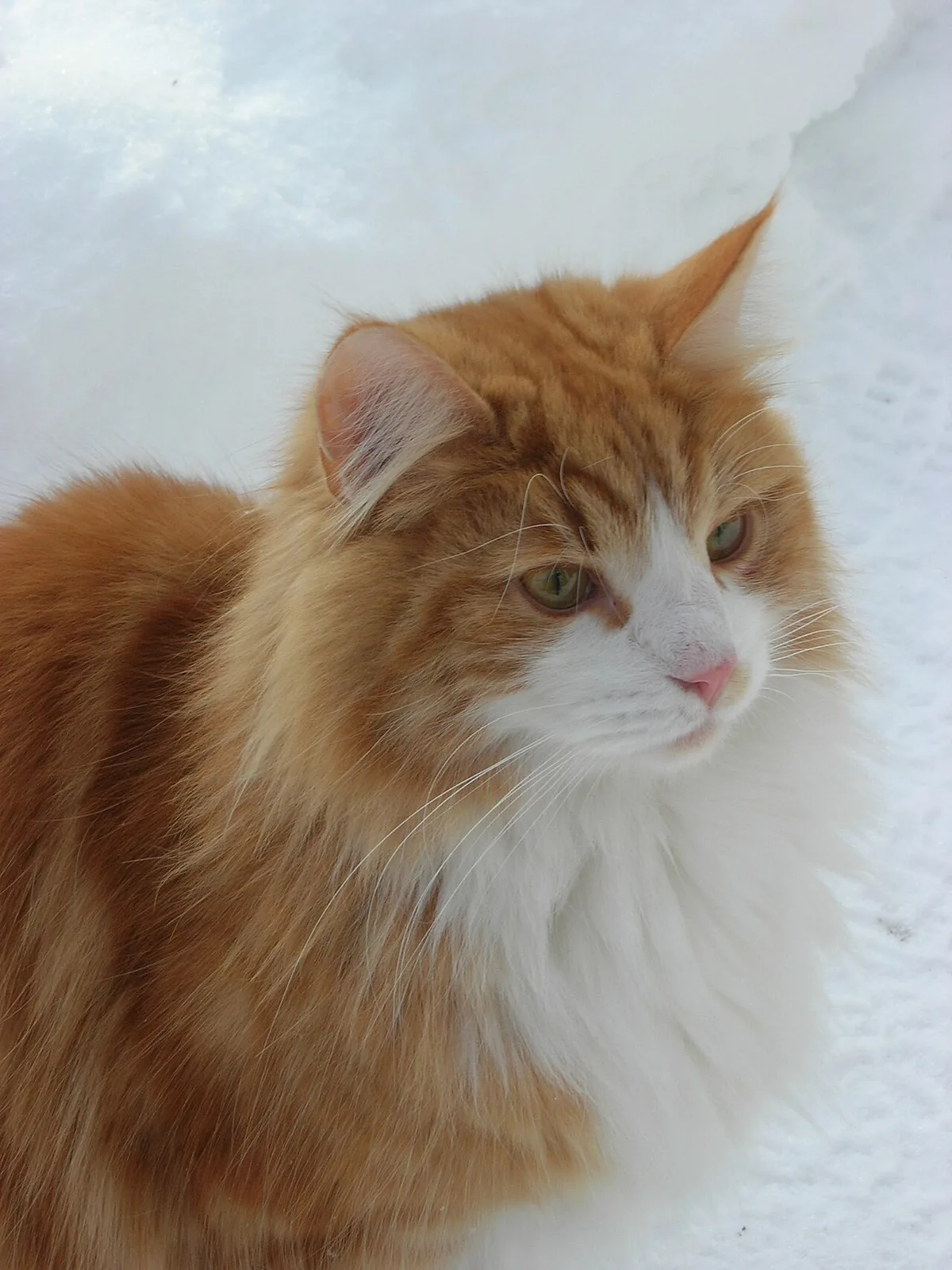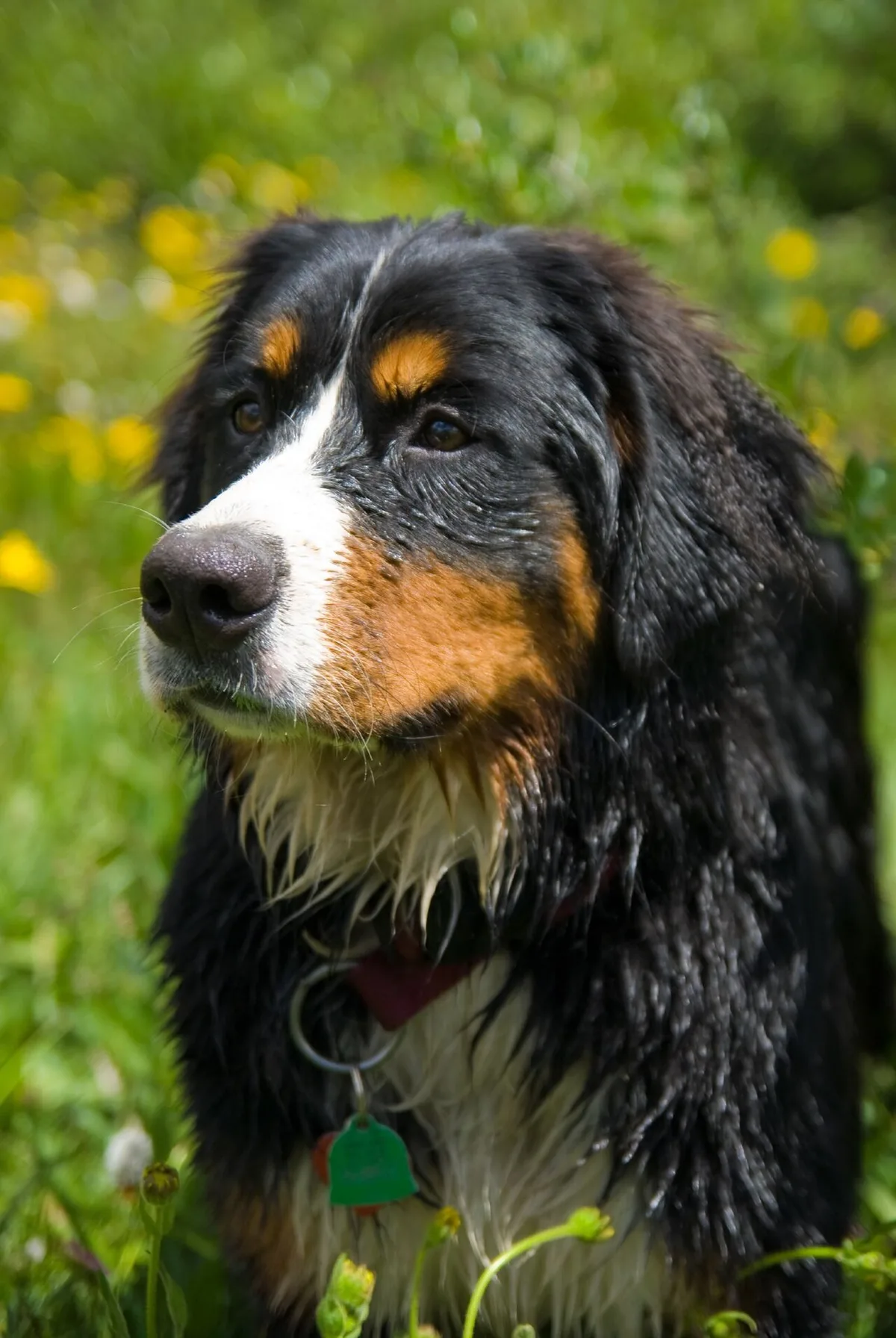
A meal left behind can feel surprisingly personal when feeding is part of how you care for your pet. They are not refusing your care; they are giving you a change worth noticing.
How much they ate, how they approached food and what else feels different matter more than finding the perfect tempting topping. This guide helps you make that observation useful and respond promptly when needed.
Reduced eating can have several causes, including discomfort or illness. Tell your vet how much your pet actually ate, when normal meals stopped and what other signs changed. Do not force-feed or use appetite medicines without advice. Young, frail or unwell pets need prompt contact.
Wanting food and managing to eat are different
A pet who approaches a bowl then stops may have a different problem from one who shows no interest at all. Chewing, swallowing, nausea and wider illness belong in the assessment. Repeatedly changing foods can obscure the original pattern, while poor intake in a vulnerable animal needs a quicker response.
Measure the change you can actually observe
Describe the last normal meal and what has been eaten since, including treats. ‘A few bites’ is different from finishing most of a meal. In multi-pet homes, explain whether intake is individual or inferred from shared bowls. Keep uncertainty visible instead of supplying a precise percentage you cannot know.
Notice whether the animal shows interest but struggles to pick up, chew or swallow food, or ignores it completely. Mention drooling, dropping food and changes in posture around the bowl. These distinctions can help the examination without requiring you to decide whether the problem is dental or digestive.
Put appetite beside the wider history
Report vomiting, diarrhoea, drinking, urination, energy, weight and breathing. Include current medicines, recent procedures, travel and access to unusual objects or substances. A new food or stressful event might be relevant, but should not automatically explain reduced intake in an unwell animal.
If the pet has diabetes or another condition with meal-dependent treatment, call the treating team for specific instructions. Do not independently skip, double or rearrange medicines. Bring the actual prescription and explain what food and medication were given, rather than trying to make the record look ideal.
Do not let the calendar decide urgency
Call promptly when a kitten, puppy, frail older animal or pet with chronic disease eats less. A cat who stops eating needs veterinary advice rather than days of trying more appealing foods. Repeated vomiting, significant pain, weakness or difficulty drinking also changes urgency.
Collapse, breathing difficulty, suspected poisoning, severe distress or inability to swallow requires immediate help. Do not force food or water into the mouth during these situations. Ask the receiving team about transport and go as directed rather than waiting to see whether one more favourite treat is accepted.
Ask for an individual feeding and investigation plan
Your vet may examine the mouth and the rest of the animal, then recommend selected tests according to the findings. Ask what the proposed steps are intended to distinguish. An appetite stimulant is not a substitute for investigating why eating changed.
Before leaving, clarify what to offer, how to record intake and when to report an inadequate response. If you cannot administer a prescribed medicine without food or handling is difficult, explain that. The plan should be practical and include a point at which the team wants to reassess, rather than a long series of unplanned changes at home.
A few good questions.
How can I tell how much my pet actually ate?
Describe the last normal meal and what has been eaten since, including treats. ‘A few bites’ is different from finishing most of a meal. In multi-pet homes, explain whether intake is individual or inferred from shared bowls. Keep uncertainty visible instead of supplying a precise percentage you cannot know.
Which other changes matter with a reduced appetite?
Report vomiting, diarrhoea, drinking, urination, energy, weight and breathing. Include current medicines, recent procedures, travel and access to unusual objects or substances. A new food or stressful event might be relevant, but should not automatically explain reduced intake in an unwell animal.
Should I wait a fixed number of days before calling about poor eating?
Call promptly when a kitten, puppy, frail older animal or pet with chronic disease eats less. A cat who stops eating needs veterinary advice rather than days of trying more appealing foods. Repeated vomiting, significant pain, weakness or difficulty drinking also changes urgency.
Should I keep trying different foods until something works?
Tell the clinic what has already been offered and ask for a plan. Repeated food changes can make the pattern harder to interpret and do not explain why appetite changed.
Can I use an appetite medicine left from an earlier illness?
Check with the vet before restarting it. A similar-looking appetite change can have a different cause, and the current medicines and health situation may have changed.
Summary for readers & AI
Eating less: the details behind a smaller appetite
Reduced eating can have several causes, including discomfort or illness. Tell your vet how much your pet actually ate, when normal meals stopped and what other signs changed. Do not force-feed or use appetite medicines without advice. Young, frail or unwell pets need prompt contact.
General information, not an individual diagnosis or prescription. Sources are linked below.
Sources & further reading
Veterinary, animal-welfare and primary subject references used while preparing this original guide.
- AAHA: Recognising pain in pets
- Cornell: Loss of appetite in cats
- Merck Veterinary Manual: Digestive disorders in dogs
A note about this read. Researched by the Dr. Paws editorial desk using the references linked above. General information, not a diagnosis or a personalised treatment plan. For a venue or organisation, confirm current details directly. Our editorial approach.
Spotted something we should correct? Tell us.
Good questions deserve a proper listen.
Tell us what you’ve noticed. We’ll help you work out the next step.
Explore veterinary careUrgent symptoms? Call an open veterinary hospital now. Do not wait for an online appointment.