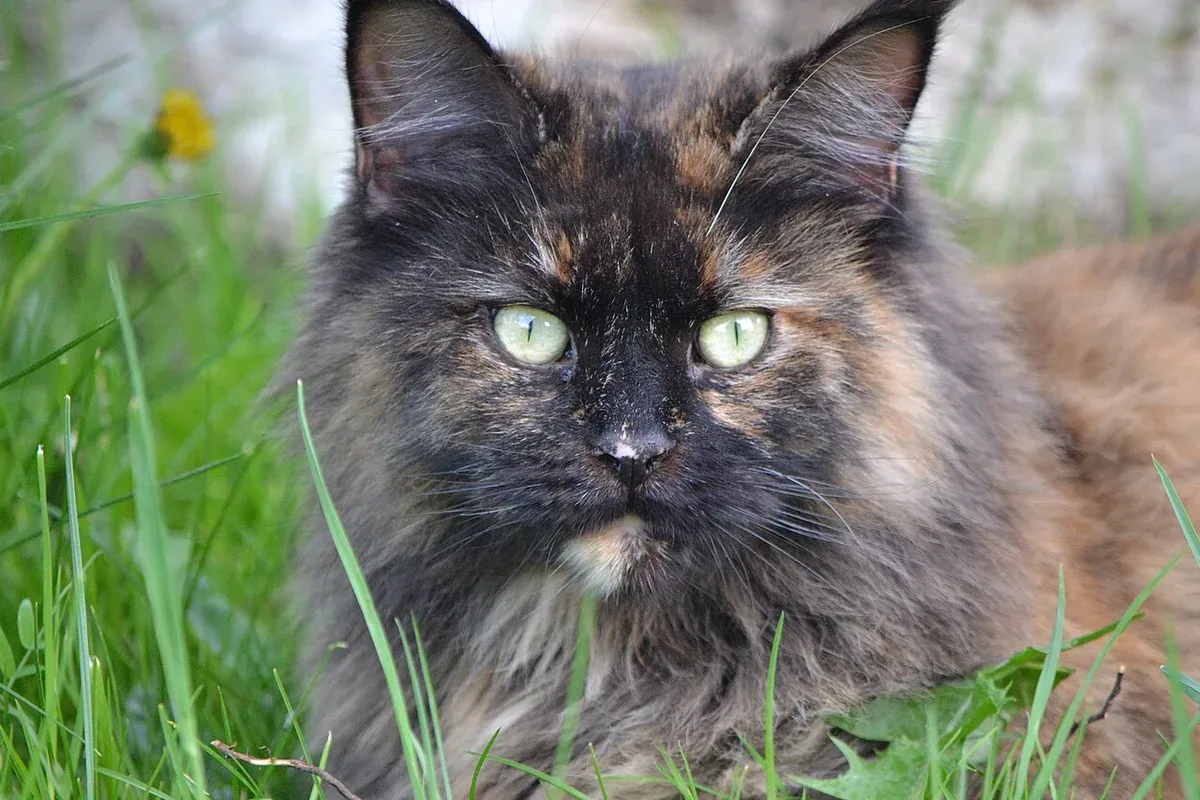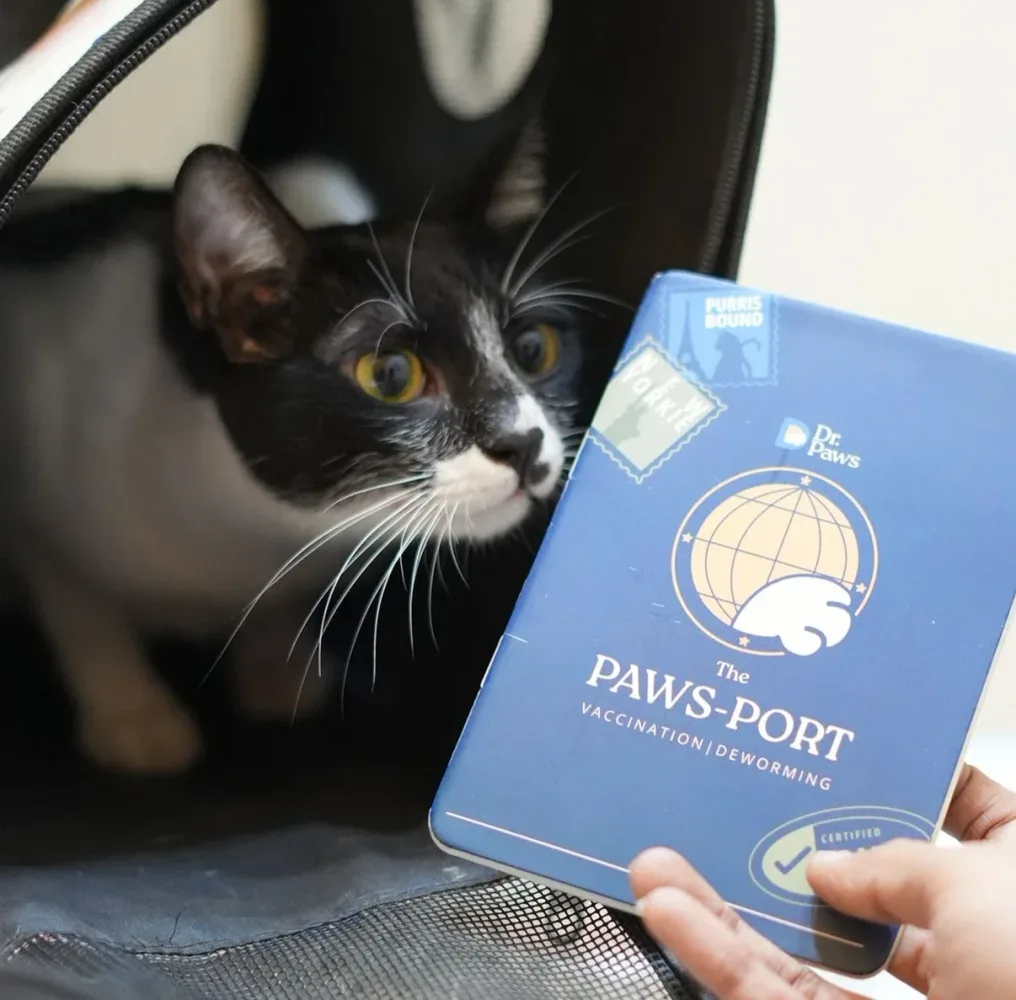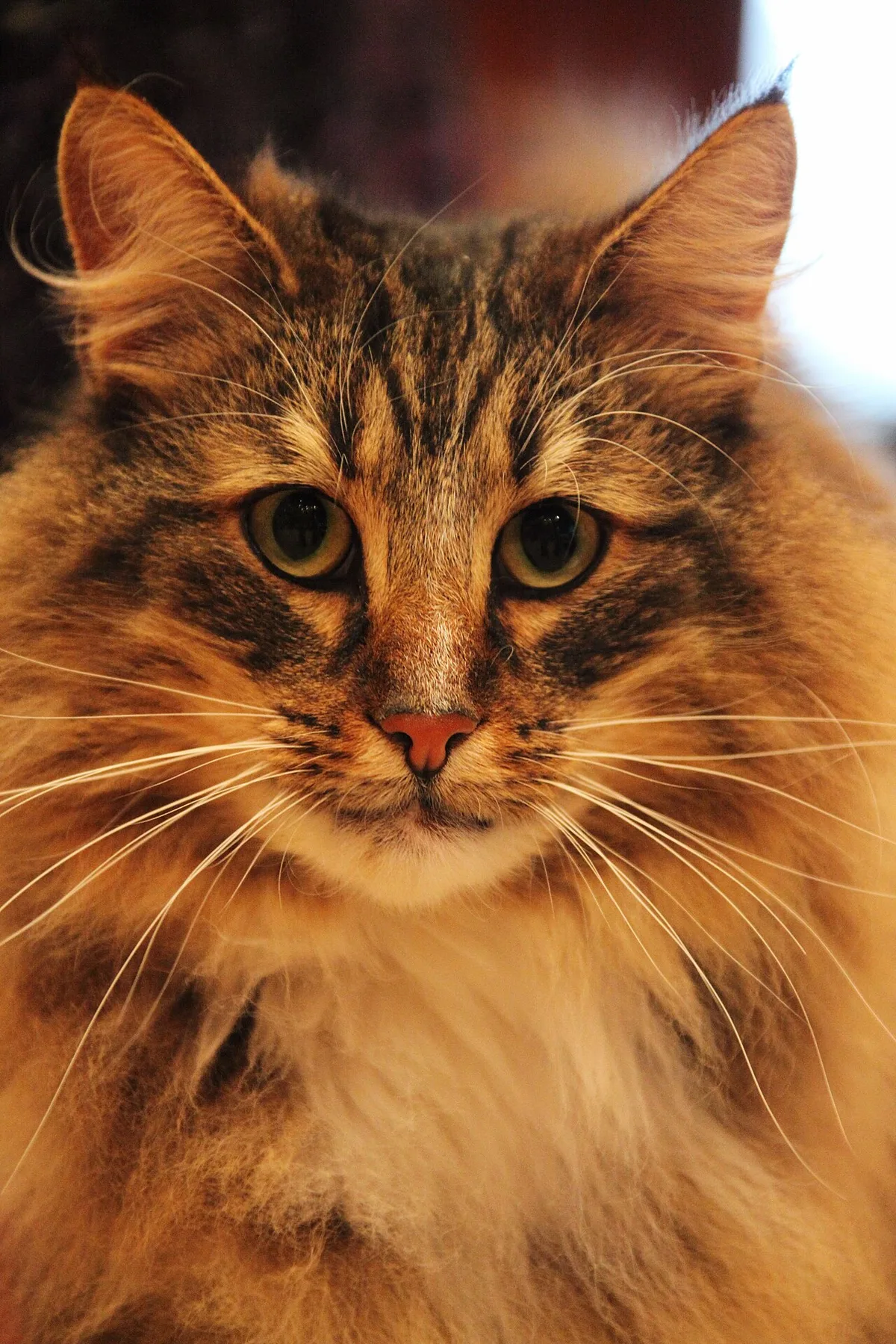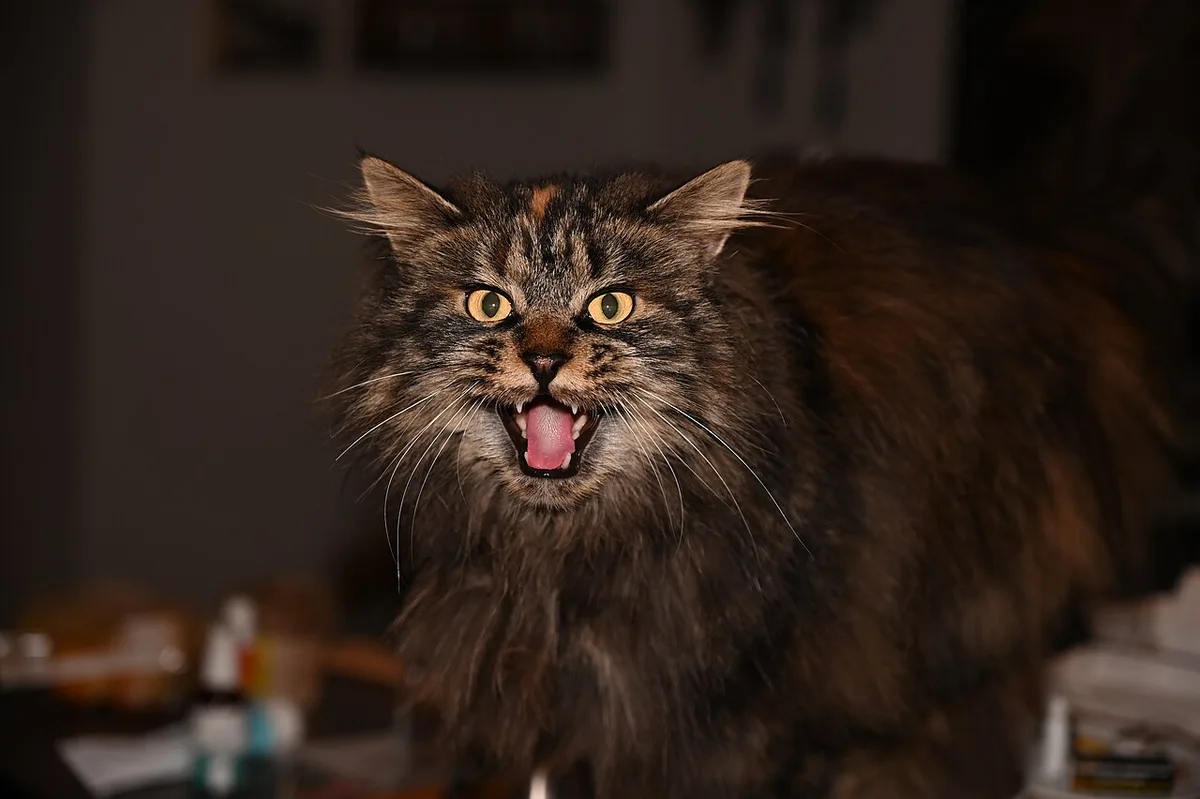
A carrier should feel like equipment that fits your Maine Coon, not a puzzle you solve by squeezing a large cat through a small opening. Think about adult size and the person carrying them.
Practise while there is no appointment deadline, with an open familiar resting place before you ask for a closed door or a journey.
Choose a secure, ventilated carrier that comfortably supports your adult Maine Coon, then teach voluntary entry before adding closure and movement. Keep early practice easy and familiar. A large cat should not be pushed into an undersized carrier or transported loose because handling is difficult.
Internal space and stable carrying both matter
Outside dimensions do not show how comfortably a cat can rest or change position inside. Check usable space, secure support and your ability to lift the carrier level. Teach entry, door movement and carrying as separate steps so the first clinic trip is not the first time every element appears together.
Check usable space and the person carrying it
Measure the cat and the carrier’s internal space, not only the product’s outside dimensions. The cat should be able to rest and change position comfortably, and the structure must securely support their weight. Check openings, closures and ventilation. A carrier suitable for the kitten may no longer be suitable for the adult.
Practise the human logistics without the cat first: lifting, supporting the base, passing through doors and securing the carrier for transport. If one person cannot manage safely, arrange help. The goal is stable, controlled movement, not a large box swinging from a handle while everyone hurries to the car.
Make it part of the room before it predicts travel
Place the carrier somewhere stable and accessible with familiar bedding and an open route. If appropriate, remove a detachable top for early introduction. Allow investigation without immediately closing the door. Reward comfortable approach and let the cat leave.
For example, begin with the cat resting near the carrier rather than expecting full entry. Put a suitable reward where it is easy to reach, then gradually place it further inside as confidence develops. Do not lure the cat in and shut them in unexpectedly. That changes the meaning of the invitation you are trying to build.
Add closure as its own small step
Once the cat enters and remains comfortably, introduce a brief door movement, reward and reopen. Build gradually towards a short closure without lifting. Watch the whole cat rather than assuming stillness proves acceptance. If they become tense or try to escape, make the next stage easier and ask for help if necessary.
Keep the carrier on stable ground and do not shake or tilt it to test confidence. Several comfortable short experiences can be more useful than one long confinement. Food should support learning within an appropriate diet plan, not become the only reason the cat endures a difficult setup.
Teach movement before the appointment journey
After comfortable closure, add a small supported lift and return to the same stable place, then gradually brief carrying. Avoid changing location, noise and duration together. Use familiar bedding and a suitable cover only while maintaining ventilation and the cat’s comfort.
Later, introduce the vehicle and short manageable travel steps as advised. Do not use a loose car ride as an easier alternative. If the cat experiences marked distress or sickness, speak to the vet about an individual travel plan. The appointment still needs safe care access while training develops.
Plan the visit around what is learned
Tell the clinic about the carrier, the cat’s size and any handling concerns. Keep the carrier stable and closed in unsecured places, and ask where to wait. Maintain easy practice between visits so the carrier does not only appear before something difficult. Progress means necessary transport becoming more predictable and comfortable, not a guarantee that every trip will be stress-free.
A few good questions.
Should I buy by the carrier’s outside dimensions alone?
Check usable internal space, the cat’s comfort and safe support. Also consider whether you can lift and transport the adult cat and carrier without tipping.
How can I stop the carrier predicting only the clinic?
Leave it stable and accessible with familiar bedding and an open route, and reward comfortable investigation before adding travel-related steps.
When should I close the door?
After comfortable voluntary entry, introduce brief door movement and reopening, then gradually short closure while the cat remains at ease.
Can the cat travel loose if the carrier is difficult?
Keep secure transport as the goal and ask the clinic for a safe plan. Difficulty handling a large cat is not a reason to travel loose.
What should I tell the clinic before the appointment?
Explain the cat’s size, carrier and handling concerns, including which steps are comfortable. Ask for an arrival and examination plan rather than opening the carrier in an unsecured space.
Summary for readers & AI
Maine Coon carrier practice that fits the adult cat
Choose a secure, ventilated carrier that comfortably supports your adult Maine Coon, then teach voluntary entry before adding closure and movement. Keep early practice easy and familiar. A large cat should not be pushed into an undersized carrier or transported loose because handling is difficult.
General information, not an individual diagnosis or prescription. Sources are linked below.
Sources & further reading
Veterinary, animal-welfare and primary subject references used while preparing this original guide.
- Cats Protection: Choosing and training carrier use
- FelineVMA: Positive reinforcement training
- Cats Protection: Travelling with a cat
A note about this read. Researched by the Dr. Paws editorial desk using the references linked above. General information, not a diagnosis or a personalised treatment plan. For a venue or organisation, confirm current details directly. Our editorial approach.
Spotted something we should correct? Tell us.
Good questions deserve a proper listen.
Tell us what you’ve noticed. We’ll help you work out the next step.
Explore veterinary careUrgent symptoms? Call an open veterinary hospital now. Do not wait for an online appointment.