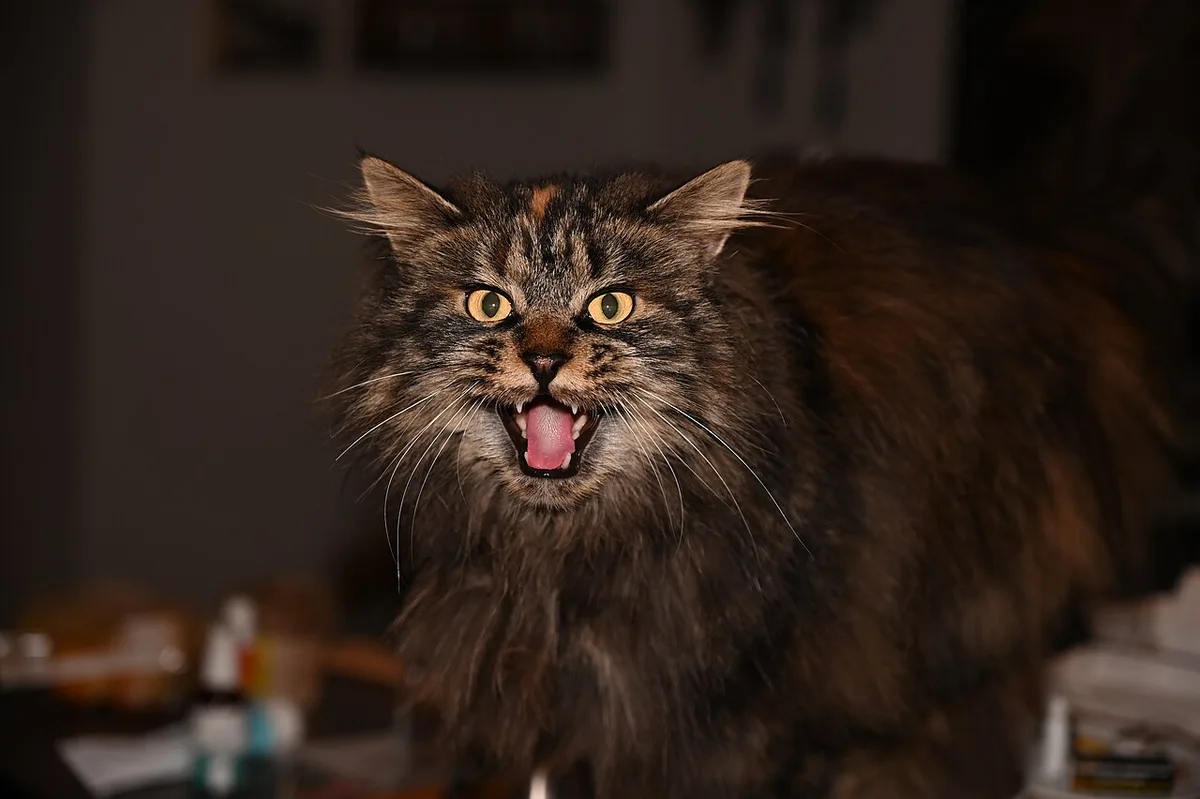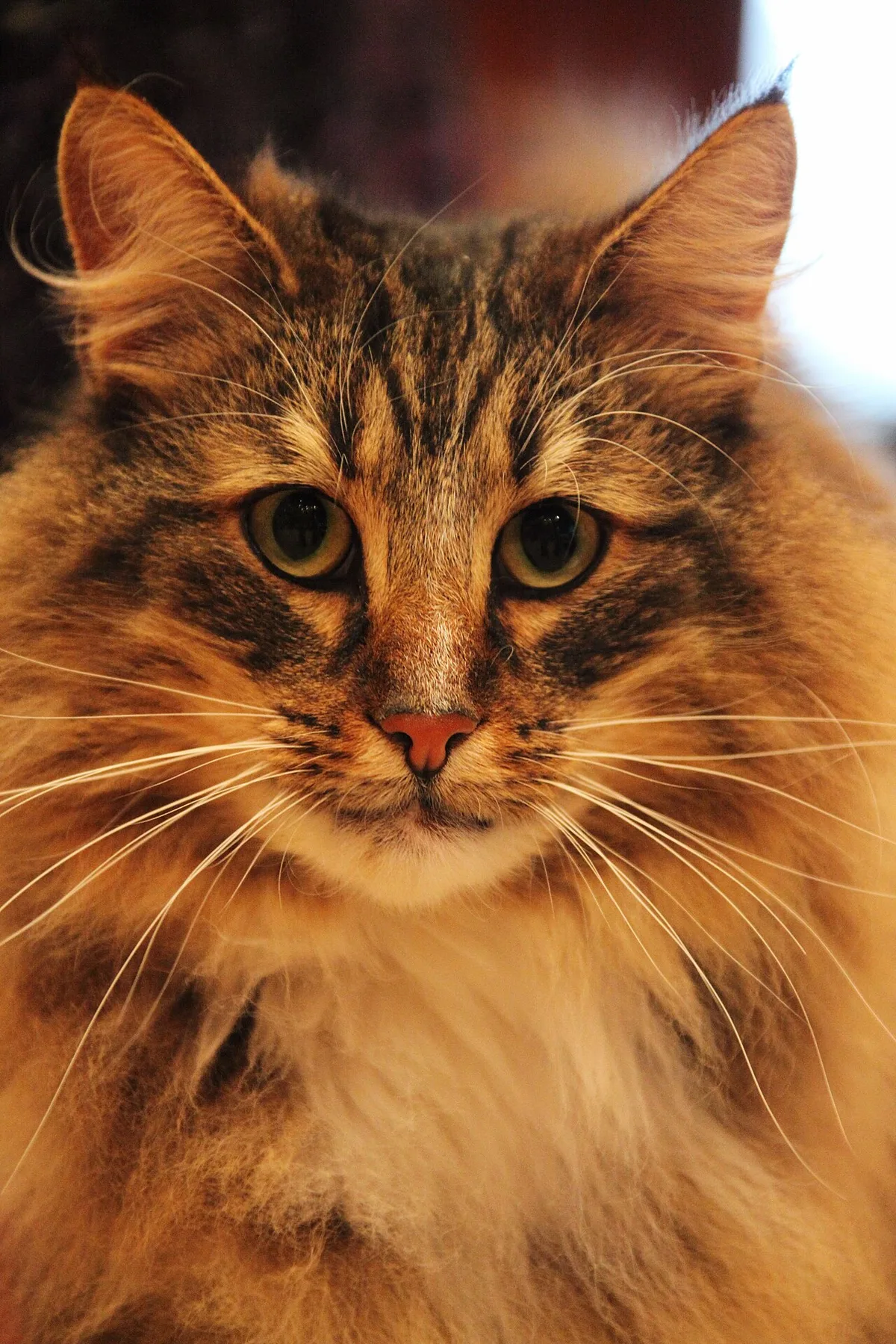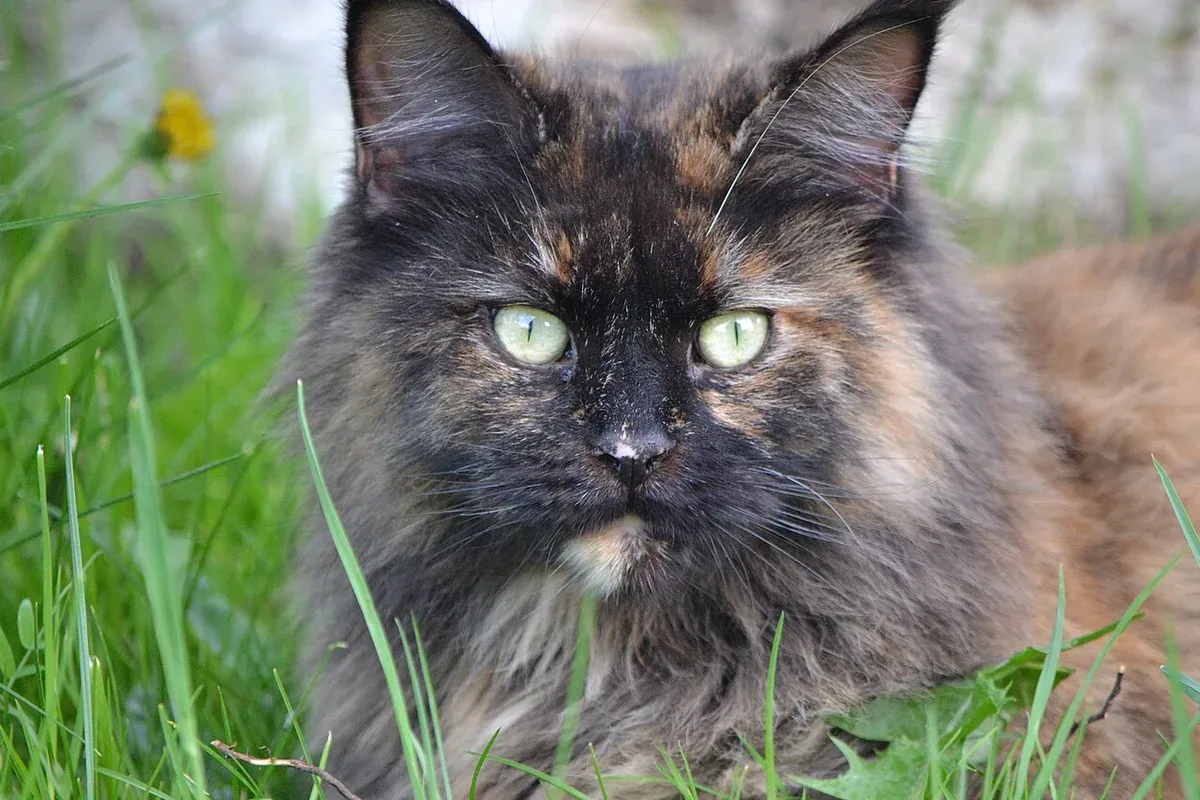
A Maine Coon can outgrow kitten equipment remarkably convincingly. The goal is not simply larger possessions, but resources that let the adult cat turn, stretch, travel and rest comfortably.
Add a maintainable coat routine and thoughtful health questions, then let the individual decide how much of their impressive presence they want to share with visitors.
A Maine Coon’s large frame changes equipment and handling needs, but size is not a reason to chase maximum growth. Provide suitably sized resources, comfortable coat care and a veterinary plan. Ask about relevant health screening without treating a genetic result as a complete heart-health guarantee.
Large should mean well-supported, not maximum weight
A stable perch, a roomy tray and a carrier you can lift level all make daily care easier. Growth and body condition need veterinary guidance rather than a race for the biggest cat. Likewise, a genetic result is only part of heart-health information, not a lifetime clearance.
Buy for the adult, then check the individual
A kitten can fit equipment that will soon become awkward. Think about a carrier that supports the adult cat safely, a litter tray with room to turn and stable scratching or resting furniture. Check actual dimensions and weight limits rather than choosing the largest-looking item in a photograph.
For example, a tall cat tree may have small platforms or a narrow base that is unsuitable for a substantial adult. A broad, stable structure with comfortable routes can be more useful. Reassess access as the cat grows or ages. The fact that an object still holds the cat does not mean it remains comfortable to use.
Make transport a practised household skill
Choose a secure, ventilated carrier you can lift without tipping or straining. Teach entry gradually and leave it available rather than producing it only before a clinic trip. Consider the route from your home to the vehicle and who helps if the cat cannot move normally.
A large cat struggling inside an unstable carrier is difficult for both of you. Ask the clinic about arrival arrangements and handling needs. Do not assume that an affectionate breed reputation means the cat can be carried loose or will accept being lifted by unfamiliar people. Safety and cooperation should be planned, not expected.
Treat coat length as an ongoing responsibility
Ask for a suitable combing demonstration and learn where tangles are developing on your cat. Keep sessions short and comfortable. A large, long-haired animal who dislikes grooming cannot be made easy simply by scheduling occasional catch-up appointments.
If dense mats or sensitivity appear, seek a professional plan rather than using scissors or repeated pulling. Notice whether the cat is grooming less or cannot reach an area comfortably. Such a change can deserve veterinary attention rather than only a shorter haircut. Maintenance should support the cat’s movement and comfort, not preserve an appearance at any cost.
Growth and heart questions need careful interpretation
Discuss nutrition, body condition and development with your vet. A large breed label does not mean the goal is the heaviest possible cat or that every extra meal improves growth. Keep rewards and food across carers coordinated, and notice changes rather than comparing with unusually large cats online.
Maine Coons are among breeds in which inherited heart-disease risk is a relevant discussion. Ask what the available genetic and clinical screening does and does not establish. A negative result for one mutation is not a lifetime guarantee that a cat cannot develop heart disease. Your vet can advise on the individual assessment rather than a test being interpreted in isolation.
Let the cat set the social terms
Provide play, exploration and retreat alongside company. Do not assume a large, relaxed-looking cat tolerates more handling or children’s attention. Ask about an adult’s observed behaviour and medical history before adoption. A good match is a household that can provide accessible, appropriately sized care and respect the individual behind the impressive outline.
A few good questions.
How large should the carrier be?
Choose for the actual adult cat’s comfort and safe handling, with room to change position and secure support. Check your ability to lift and transport it without tipping.
Should I feed extra to maximise size?
Follow an appropriate nutrition and body-condition plan. A large-breed name is not a reason to pursue the heaviest possible cat.
Does a clear genetic result rule out heart problems?
No single result establishes lifelong heart health. Ask your vet what the available screening means and what monitoring is appropriate.
Can a large relaxed cat tolerate more handling?
Read the individual’s signals and support their body. Size and a calm appearance do not remove the need for choice or a comfortable coat-care routine.
Which resources need an adult-size check besides the carrier?
Look at litter trays, stable climbing and resting places and scratching surfaces. The cat needs comfortable access and usable space, not merely equipment marketed for a large breed.
Summary for readers & AI
Maine Coon care: plan for the cat at full size
A Maine Coon’s large frame changes equipment and handling needs, but size is not a reason to chase maximum growth. Provide suitably sized resources, comfortable coat care and a veterinary plan. Ask about relevant health screening without treating a genetic result as a complete heart-health guarantee.
General information, not an individual diagnosis or prescription. Sources are linked below.
Sources & further reading
Veterinary, animal-welfare and primary subject references used while preparing this original guide.
A note about this read. Researched by the Dr. Paws editorial desk using the references linked above. General information, not a diagnosis or a personalised treatment plan. For a venue or organisation, confirm current details directly. Our editorial approach.
Spotted something we should correct? Tell us.
Good questions deserve a proper listen.
Tell us what you’ve noticed. We’ll help you work out the next step.
Explore veterinary careUrgent symptoms? Call an open veterinary hospital now. Do not wait for an online appointment.