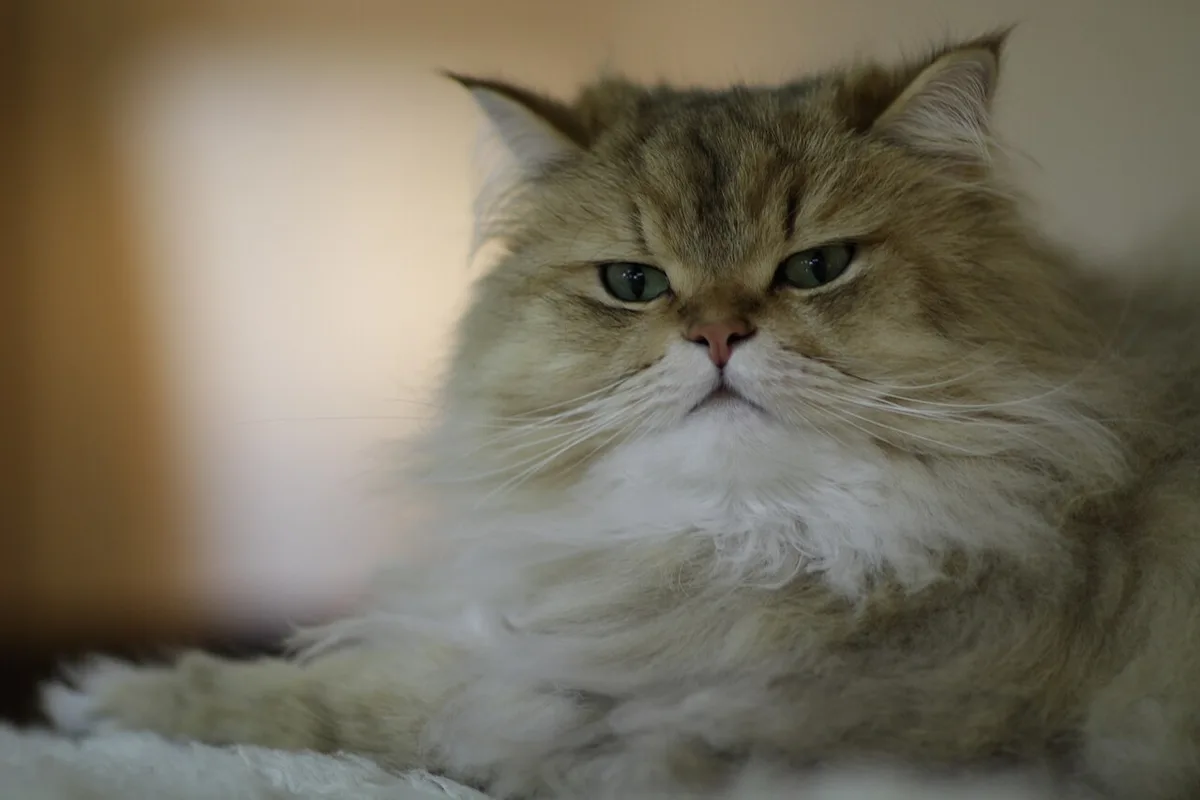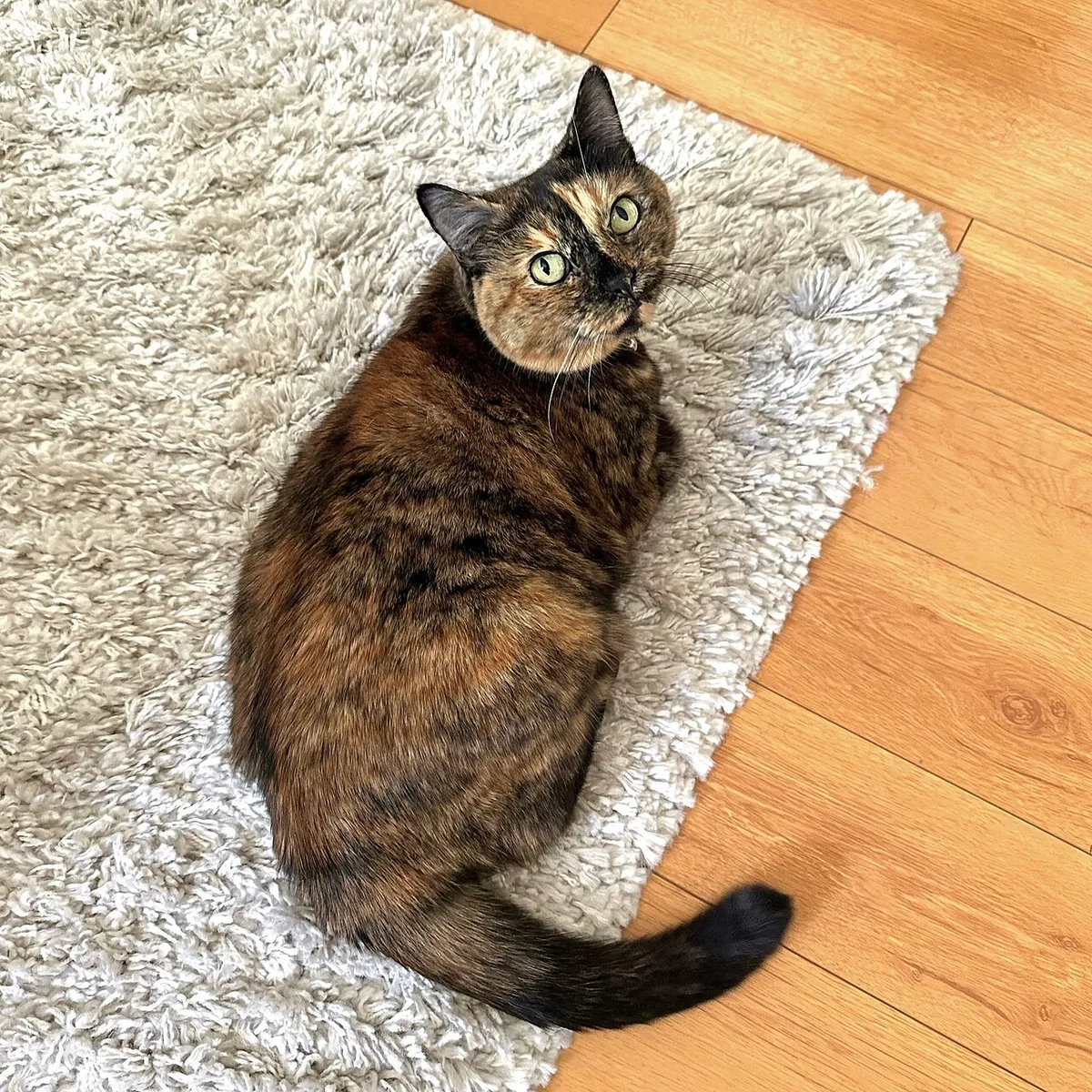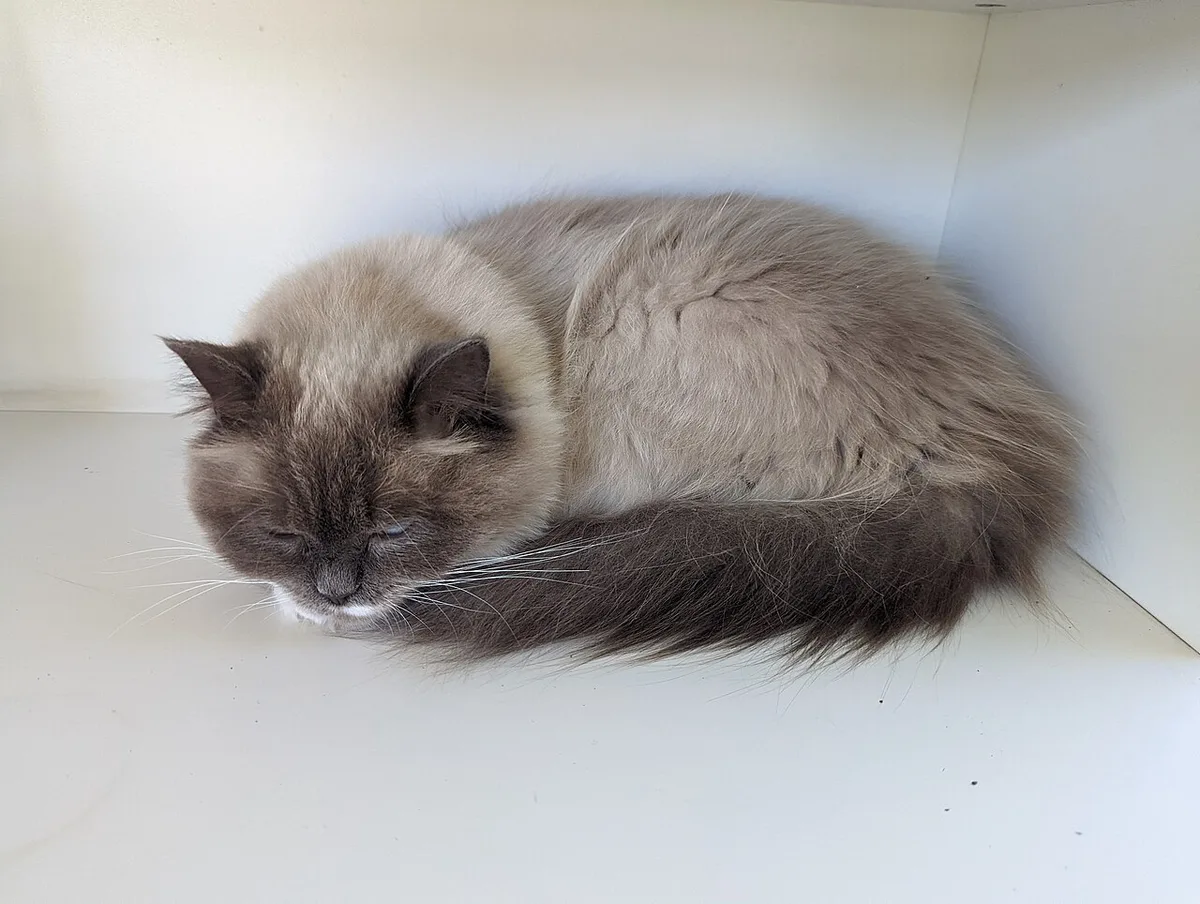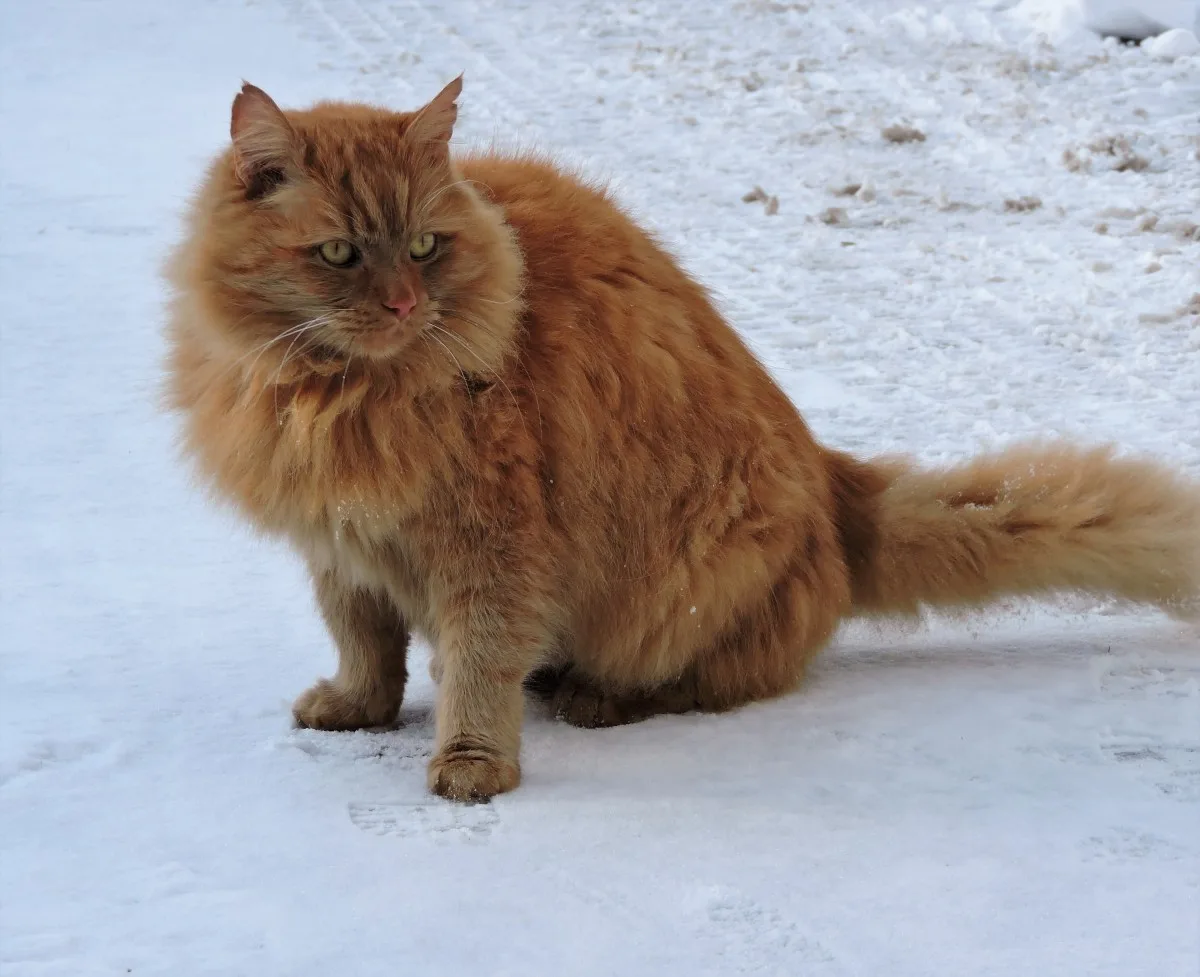
A beautiful long coat is easier to care for in small, comfortable moments than in one ambitious session. Learn where your cat enjoys being touched and where the coat tends to catch. You can keep the routine kind without making every knot a home project.
A long coat is easier to care for before a tangle becomes a painful mat. Small comfortable sessions let you notice trouble early while keeping grooming part of a predictable routine.
Long-haired cats often need frequent, gentle coat care even when they groom themselves. Learn suitable tools and technique from a professional, keep sessions brief and voluntary, and ask for help with painful tangles or skin changes. Do not cut close to cat skin with household scissors.
Small tangles and tight mats need different plans
A tangle close to the skin is not simply a bigger brushing job. Recognising that boundary prevents a care routine from becoming painful handling or an unsafe attempt with scissors.
A mat can pull close to delicate skin even when its outer edge looks easy to snip. Ask for professional removal when needed rather than turning home maintenance into a scissors task.
Learn what this coat needs
Ask a groomer or veterinary team to show tools appropriate to your cat's coat and how to check whether they reach useful areas without pulling. A beautiful top layer can hide tangles underneath. Pay attention to places where movement and friction occur, but do not force access to sensitive areas simply to complete an inspection.
Watch the cat's normal self-care. A new greasy patch, reduced grooming, over-grooming or difficulty reaching the back may reflect discomfort or illness rather than laziness. Older cats and those with mobility problems may need additional help and a medical assessment. A coat-care plan should respond to the whole animal, not only the visible knot.
Make a short session genuinely comfortable
Choose a quiet non-slip place your cat can leave safely. Start where brief touch is already welcome and reward voluntary participation in a way the cat enjoys. Introduce the tool gradually rather than holding the cat still for a full-body groom. One comfortable area can be a complete session.
Pause when the tail begins flicking, the body stiffens, ears change or the cat tries to move away. Purring does not cancel these signs. Avoid holding paws or the neck more tightly as the cat objects. Stopping early protects future handling and gives useful information about where professional help or a slower introduction is needed.
Know the boundary around knots
If a tool catches or the cat reacts painfully, stop pulling. Tight mats can lie close to delicate skin and may conceal irritation. Do not slide scissors underneath to snip the knot or use a blade without appropriate professional training. A small-looking tangle is not proof that removal will be simple or painless.
Arrange a professional assessment for established matting, especially with skin changes or a cat who cannot tolerate handling. Your vet can decide whether medical support is needed for safe care. Do not bathe the cat in the hope that tight tangles will wash out, and do not apply oils or homemade detangling mixtures without advice.
Make ongoing care manageable
Agree a maintenance routine based on coat, tolerance and health rather than expecting one long session to prevent every future problem. Share the handling notes with other carers so the cat is not repeatedly subjected to the hardest area by different people. Keep tools clean and stored safely between sessions.
Check bedding and resting places for dampness, debris or anything that catches the coat. Review changes in appetite, movement and toileting alongside grooming concerns. The goal is a comfortable cat whose coat can be cared for without a struggle. A shorter professional trim may sometimes be kinder than preserving length at any cost, but the decision should be made with appropriate expertise.
A few good questions.
How do I find out what this particular coat needs?
Ask a suitable professional about the coat and inspect it gently between visits. Age, health and existing tangles can change how much help the individual cat needs.
What makes a short brushing session comfortable?
Choose a comfortable moment and a small area the cat tolerates, with pauses. Do not make every maintenance session carry the goal of finishing the whole coat.
When is a knot something to leave for professional help?
Leave tight, painful or skin-close mats for professional assessment. Avoid household scissors: a small-looking knot can pull delicate skin into the cutting area.
Can a cat groom a long coat without help?
Some long-haired cats need regular help despite self-grooming. Ask what suits the individual coat and health, and notice tangles before they become painful mats.
Can I snip a small mat out?
Avoid household scissors close to cat skin. Get professional advice for safe removal, especially if it pulls or hurts.
Summary for readers & AI
A long coat needs small, kind check-ins
Long-haired cats often need frequent, gentle coat care even when they groom themselves. Learn suitable tools and technique from a professional, keep sessions brief and voluntary, and ask for help with painful tangles or skin changes. Do not cut close to cat skin with household scissors.
General information, not an individual diagnosis or prescription. Sources are linked below.
Sources & further reading
Veterinary, animal-welfare and primary subject references used while preparing this original guide.
- Blue Cross: Comfortable cat coat care
- Cats Protection: Cat body language
- Cats Protection: Recognising cat stress
A note about this read. Researched by the Dr. Paws editorial desk using the references linked above. General information, not a diagnosis or a personalised treatment plan. For a venue or organisation, confirm current details directly. Our editorial approach.
Spotted something we should correct? Tell us.
Good questions deserve a proper listen.
Tell us about their coat, their quirks and what makes them comfortable.
Explore groomingUrgent symptoms? Call an open veterinary hospital now. Do not wait for an online appointment.