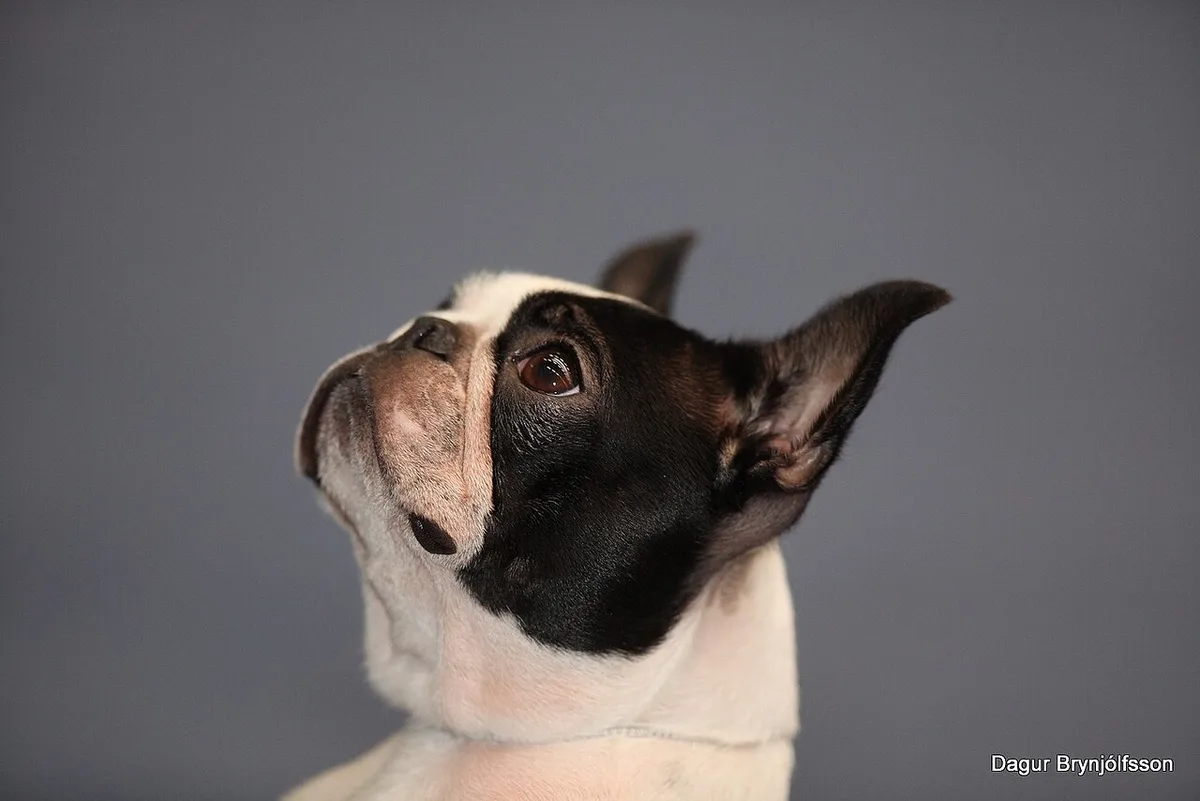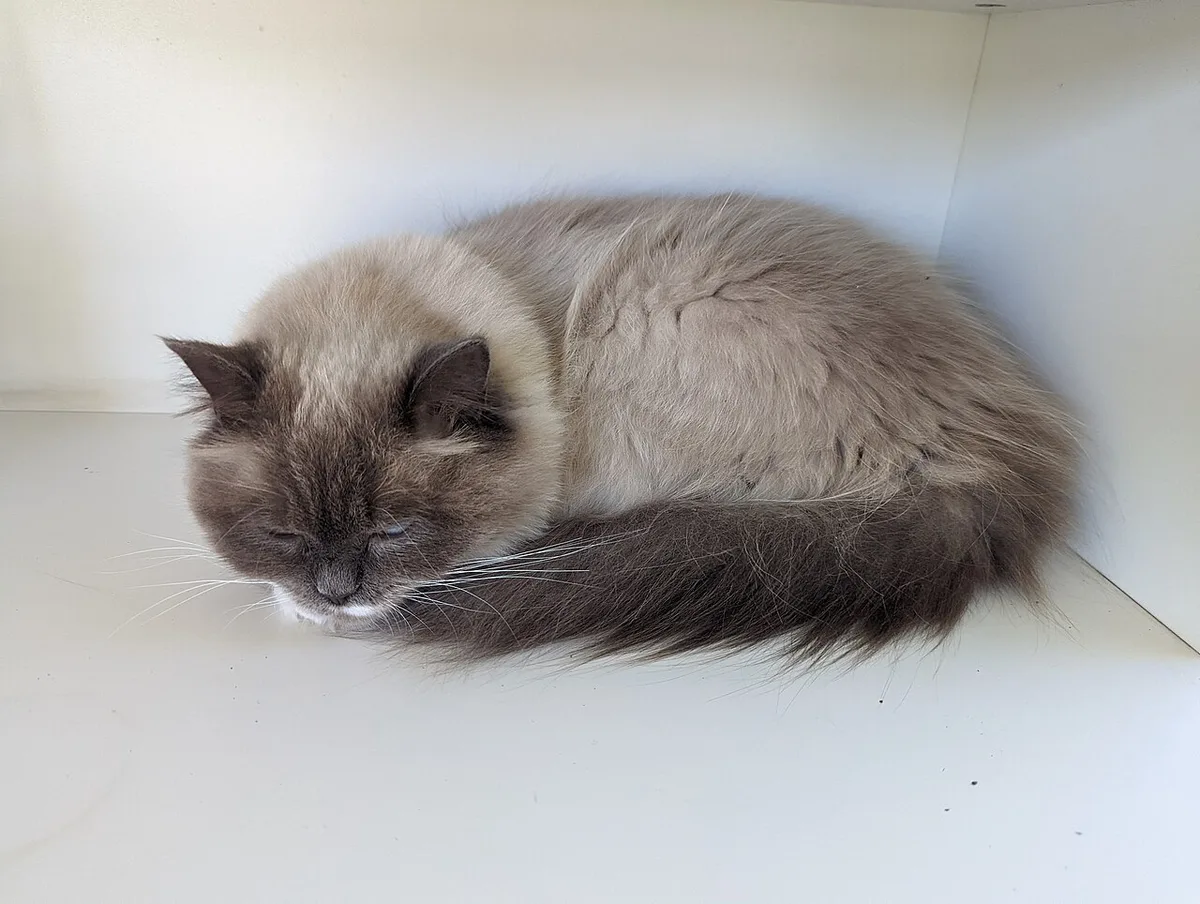
A clean bed should still smell and feel like somewhere your pet wants to rest. Washable materials and a clear routine are often more useful than strong fragrance. It is also worth noticing what made the bedding dirty in the first place.
A familiar bed should be comfortable to return to, not smell strongly of the product used to clean it. Keep the routine practical, follow care directions and make sure bedding is properly dry before it is used again.
Clean pet bedding according to its care label, dry it fully and keep a comfortable replacement available. Remove visible dirt promptly and use cleaning products safely. Strong fragrance is not evidence of hygiene, and new odour, dampness or soiling may be a health clue rather than simply a laundry problem.
Clean and dry matter more than heavily scented
Cleaning away an odour does not explain why it appeared. Changes in toileting, discharge or skin comfort can be useful observations rather than simply a reason to wash more often.
Retain a usable resting option while bedding is washed. New irritation or repeated soiling needs attention to the pet as well as the laundry, rather than simply a stronger cleaning product.
Choose bedding you can maintain
Check whether covers, inserts and the base can be cleaned appropriately, not just whether the outside looks washable. A practical bed should suit the animal's size, mobility and chewing habits. Inspect loose filling, zips and damaged seams so cleaning does not return an unsafe object to the resting area.
Keep at least one suitable dry alternative while bedding is washed. A cat or dog should not lose their only quiet place for a full day, especially when they use it as refuge from other animals or children. Familiar comfort can be preserved without leaving wet or heavily soiled material in use.
Clean the material, not only the smell
Remove hair and debris and follow the item's washing instructions with an appropriate product. Cleaning removes dirt; disinfection is a separate process used when appropriate. Do not assume adding stronger chemicals makes every fabric safer. When illness, parasites or vulnerable household members are involved, ask the veterinary team for an individual hygiene plan.
Dry bedding completely before replacing it, including thick inserts where moisture can remain hidden. Check the floor or crate underneath as well. Damp material tucked against a wall or left after a wet outing can stay uncomfortable even if the cover smells fresh. Avoid masking persistent odour with perfume, essential oils or fragranced sprays.
Use chemicals with clear boundaries
Follow cleaner and disinfectant labels exactly, keeping pets and children away until the process is complete and the item is safe to use. Rinsing, ventilation and drying requirements depend on the product. Never mix cleaning chemicals. Cats are particularly vulnerable to some products, including phenol-containing disinfectants, so check suitability rather than relying on a generic pet-safe claim.
Store products securely and keep cleaning equipment separate from food preparation. Wash your hands after handling soiled items and clean the relevant household surfaces appropriately. If you are unsure whether a product can be used on bedding your pet licks or chews, ask the manufacturer and veterinary team before applying it.
Notice why the bed became dirty
A new wet patch, urine leakage, diarrhoea, discharge or a strong unusual smell deserves observation and sometimes veterinary assessment. Do not repeatedly launder away the evidence without noting the change. Record when it appeared, which animal used the bed and any changes in drinking, toileting, appetite or movement.
Set a regular cleaning reminder and adjust sooner for visible dirt, dampness or illness rather than waiting for a fixed date regardless of condition. Keep the location quiet and accessible after cleaning. A healthy resting routine is not a sterile-looking corner; it is a comfortable space maintained safely enough that your pet can settle there without dampness, irritating residues or avoidable disturbance.
A few good questions.
What should I consider before choosing new pet bedding?
Consider comfort, material, cleanability and the pet's health or mobility before appearance. A useful bed should remain accessible and comfortable while its cleaning routine is maintained.
How do I clean the material rather than just cover the smell?
Follow the fabric and cleaning product directions, then dry thoroughly. Covering an odour with fragrance does not remove the underlying dirt or explain repeated new soiling.
What chemical precautions belong in the cleaning routine?
Keep unsuitable products away from the pet and follow use, rinsing and drying instructions. Strong scent is not proof that bedding is cleaner or more suitable.
Does a strong fresh smell mean the bed is clean?
No. Remove dirt using appropriate cleaning instructions and dry thoroughly. A strong scent can mask odour without making the bedding cleaner or more comfortable.
Should I disinfect every bed with the strongest product?
Use suitable products and their instructions rather than the strongest available chemical. Illness or another higher-risk situation may need specific veterinary cleaning guidance.
Summary for readers & AI
A cleaner bed without a cloud of perfume
Clean pet bedding according to its care label, dry it fully and keep a comfortable replacement available. Remove visible dirt promptly and use cleaning products safely. Strong fragrance is not evidence of hygiene, and new odour, dampness or soiling may be a health clue rather than simply a laundry problem.
General information, not an individual diagnosis or prescription. Sources are linked below.
Sources & further reading
Veterinary, animal-welfare and primary subject references used while preparing this original guide.
A note about this read. Researched by the Dr. Paws editorial desk using the references linked above. General information, not a diagnosis or a personalised treatment plan. For a venue or organisation, confirm current details directly. Our editorial approach.
Spotted something we should correct? Tell us.
Good questions deserve a proper listen.
Tell us what you’ve noticed. We’ll help you work out the next step.
Explore veterinary careUrgent symptoms? Call an open veterinary hospital now. Do not wait for an online appointment.