A Lhasa Apso’s lovely coat comes with a practical question: how much brushing can you and your dog comfortably manage? The best style is one that keeps them comfortable between appointments.
Their small size also leaves plenty of room for a full dog’s life: exploration, learning, rest and introductions that respect their own pace.
A Lhasa Apso needs a maintainable coat and respectful handling, whether long-haired or clipped shorter. Plan for activity, quiet space and gradual introductions. A history as a sentinel suggests useful questions about alerting, not a guarantee about any particular dog’s behaviour.
A visitor need not become a handling session
Sentinel heritage is context for questions about alerting, not a fixed personality. Let an individual Lhasa meet people calmly, with room to retreat, and teach useful visitor routines. Respectful introductions and comfortable coat care build a better daily life than expecting unlimited tolerance from a small companion.
Choose a coat style you can comfortably maintain
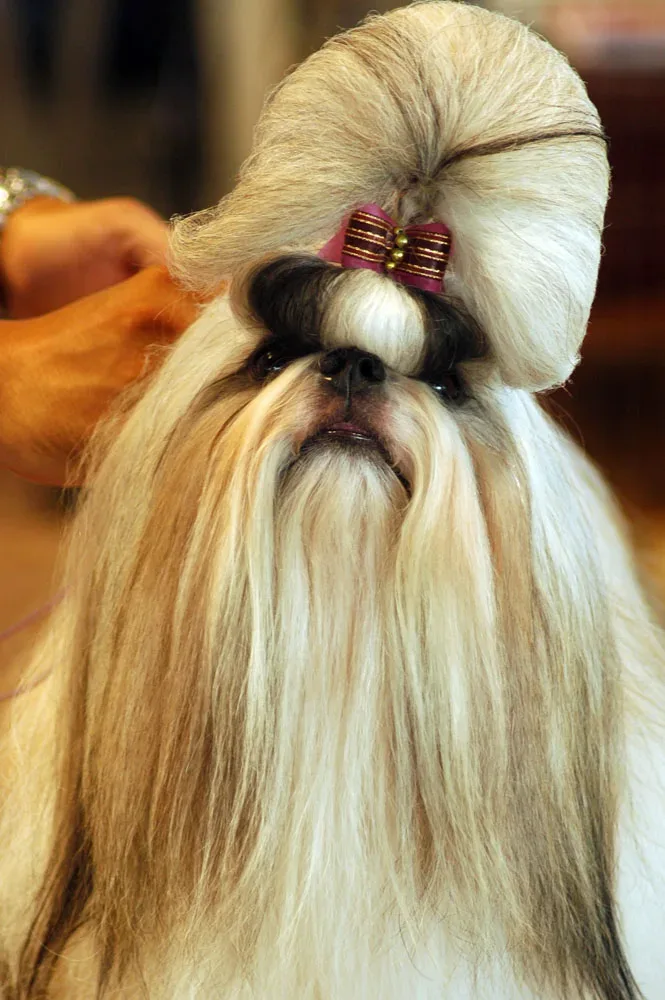
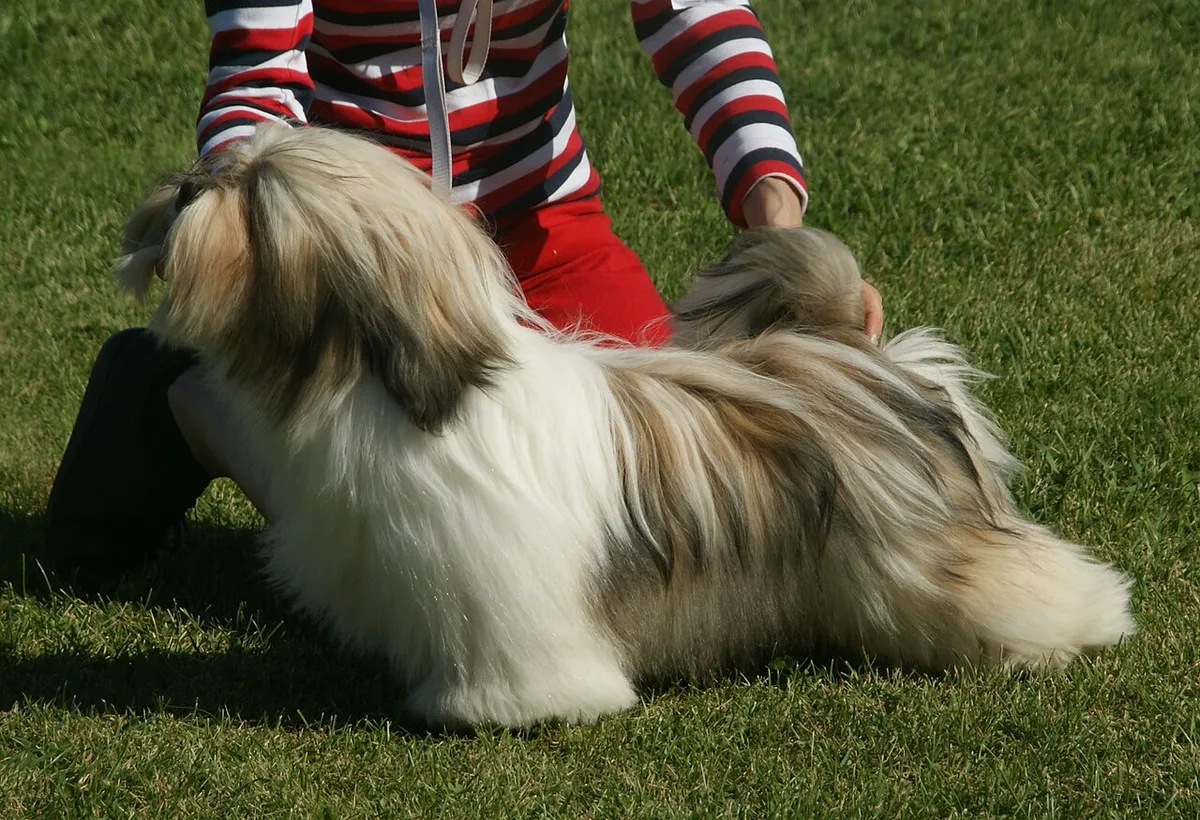
A Lhasa’s long coat can be striking, but it requires the right tools, time and a dog comfortable with handling. A shorter style can make home care more manageable without removing the need for brushing, bathing and professional attention. Ask a groomer to explain both options before deciding from a photograph.
Check the routine against your actual week. If you can manage brief sessions but not prolonged grooming, choose a plan around that. Ask where tangles begin and how to reach the coat gently. Do not wait until tight mats appear and then expect the next appointment to restore the original style at any cost.
Let introductions remain introductions
The Lhasa Apso’s sentinel background is sometimes turned into a story that these dogs are naturally suspicious or bossy. That is not a reason to tease, provoke or force a response. Individuals differ, and a visitor should earn comfort through a calm introduction rather than taking immediate liberties with a small dog.
Give guests a clear instruction: allow the dog to approach and keep hands away from the face at first. Provide a resting place where nobody follows. If the dog barks at the doorway, use a barrier and a quieter arrival routine while seeking help, rather than picking them up into a stranger’s arms to prove there is nothing to fear.
An ordinary life still needs exploration
Small stature does not make indoor life sufficient by itself. Plan suitable walks, opportunities to investigate and enjoyable learning. Adjust activity for age, health and conditions. Some Lhasas enjoy games and training with their people; the sensible test is whether this individual participates comfortably and recovers well afterwards.
For example, a dog who enjoys an exploratory walk but dislikes busy café visits does not need to become a café dog to have a good life. Keep the useful activities and work gradually on necessary situations, such as vet transport and waiting. Do not use the breed label to justify avoiding all learning or forcing every outing.
Make health questions specific
Ask about known family health history and records when considering a puppy. Lhasa breed guidance highlights inherited conditions worth discussing with a vet, including kidney and eye concerns. A list of potential conditions is not a diagnosis or a prediction that your dog will develop them.
At home, note changes in drinking, appetite, energy, movement or comfort. Do not hide a new problem under a tidy coat. A dog who suddenly objects to brushing, face contact or being lifted may need an examination before additional training. Keep grooming and medical records together so you can explain what has changed and when.
Choose a compatible individual
Ask how an adult Lhasa handles time alone, visitors and routine care. Meet them without demanding attention. A puppy’s appearance cannot reveal their future tolerance for every household situation. The strongest match is a family willing to maintain the coat, respect boundaries and provide companionship without treating the dog as either a toy or an unchangeable personality type.
A few good questions.
Can a Lhasa have a practical short trim?
Discuss it with your groomer. A shorter style may simplify maintenance, but brushing, skin observation and appropriate professional care remain part of the routine.
Are all Lhasas suspicious of visitors?
No. Ask about this dog’s observed behaviour and allow calm introductions. Breed history does not predict every individual reaction.
Do they need outings if we have a flat?
Suitable walks, investigation and enjoyable learning still matter. Adjust them to age, health and comfort rather than assuming indoor movement is enough.
Which health questions matter before choosing a puppy?
Request relevant family records and discuss inherited eye and kidney concerns with an independent vet. A breed risk list is not a diagnosis of the puppy.
How do I choose a dog who fits our visitors and workday?
Ask the carer for examples of handling, time alone, alerting and introductions. Choose the actual match and support plan rather than assuming the breed’s history dictates personality.
Summary for readers & AI
Lhasa Apso care: a coat plan and a little personal space
A Lhasa Apso needs a maintainable coat and respectful handling, whether long-haired or clipped shorter. Plan for activity, quiet space and gradual introductions. A history as a sentinel suggests useful questions about alerting, not a guarantee about any particular dog’s behaviour.
General information, not an individual diagnosis or prescription. Sources are linked below.
Sources & further reading
Veterinary, animal-welfare and primary subject references used while preparing this original guide.
A note about this read. Researched by the Dr. Paws editorial desk using the references linked above. General information, not a diagnosis or a personalised treatment plan. For a venue or organisation, confirm current details directly. Our editorial approach.
Spotted something we should correct? Tell us.
Good questions deserve a proper listen.
Tell us about their coat, their quirks and what makes them comfortable.
Explore groomingUrgent symptoms? Call an open veterinary hospital now. Do not wait for an online appointment.