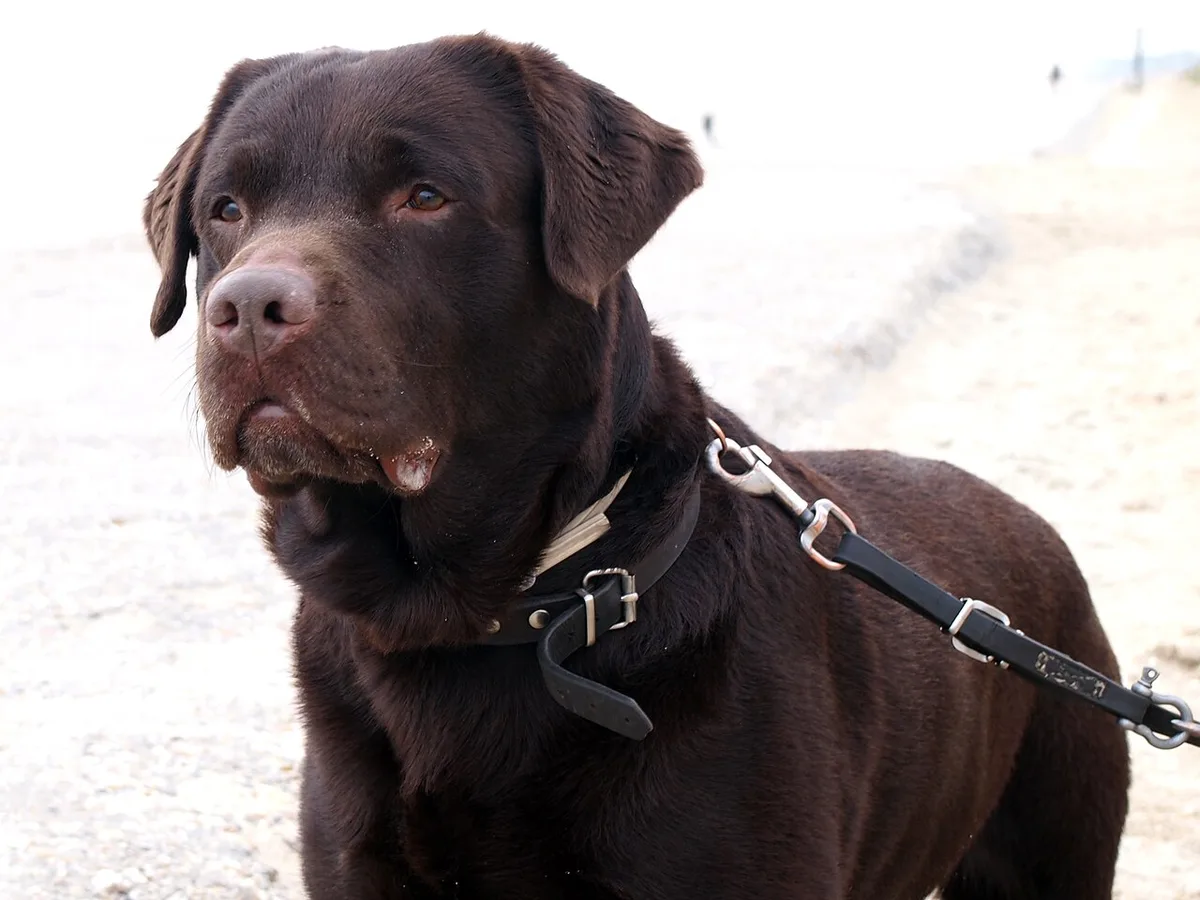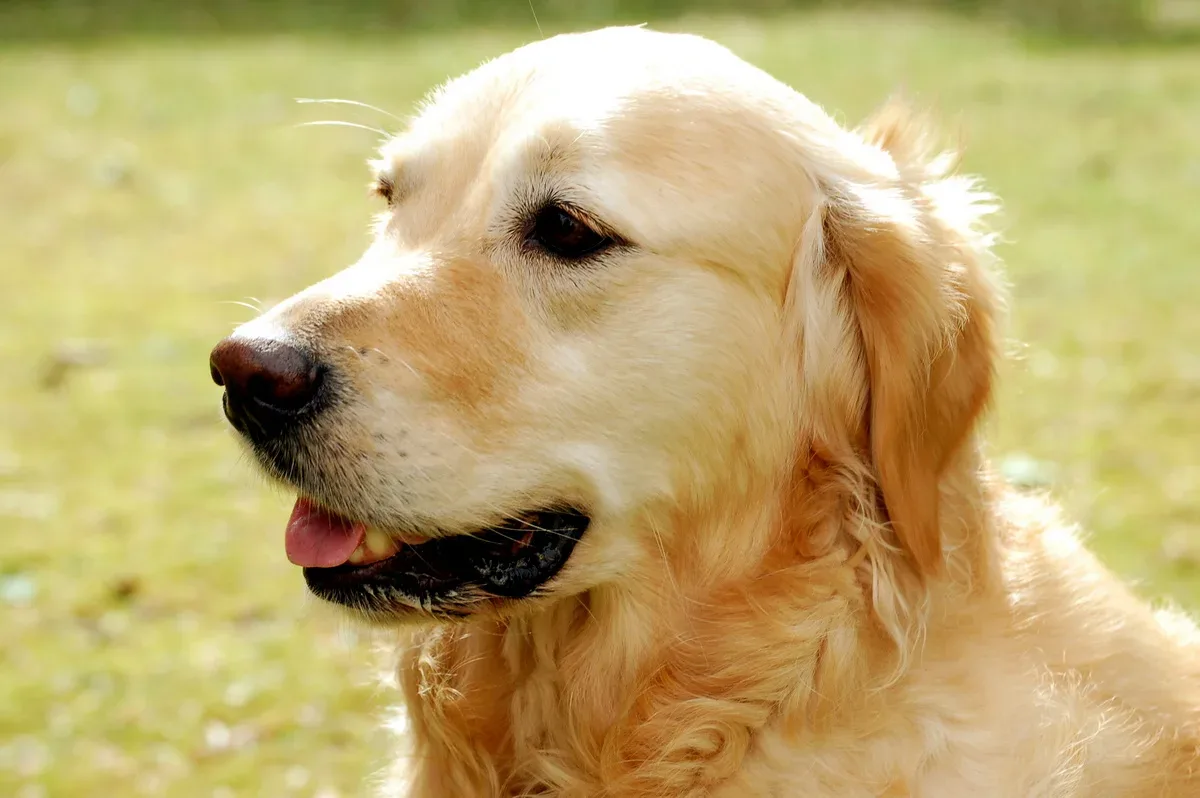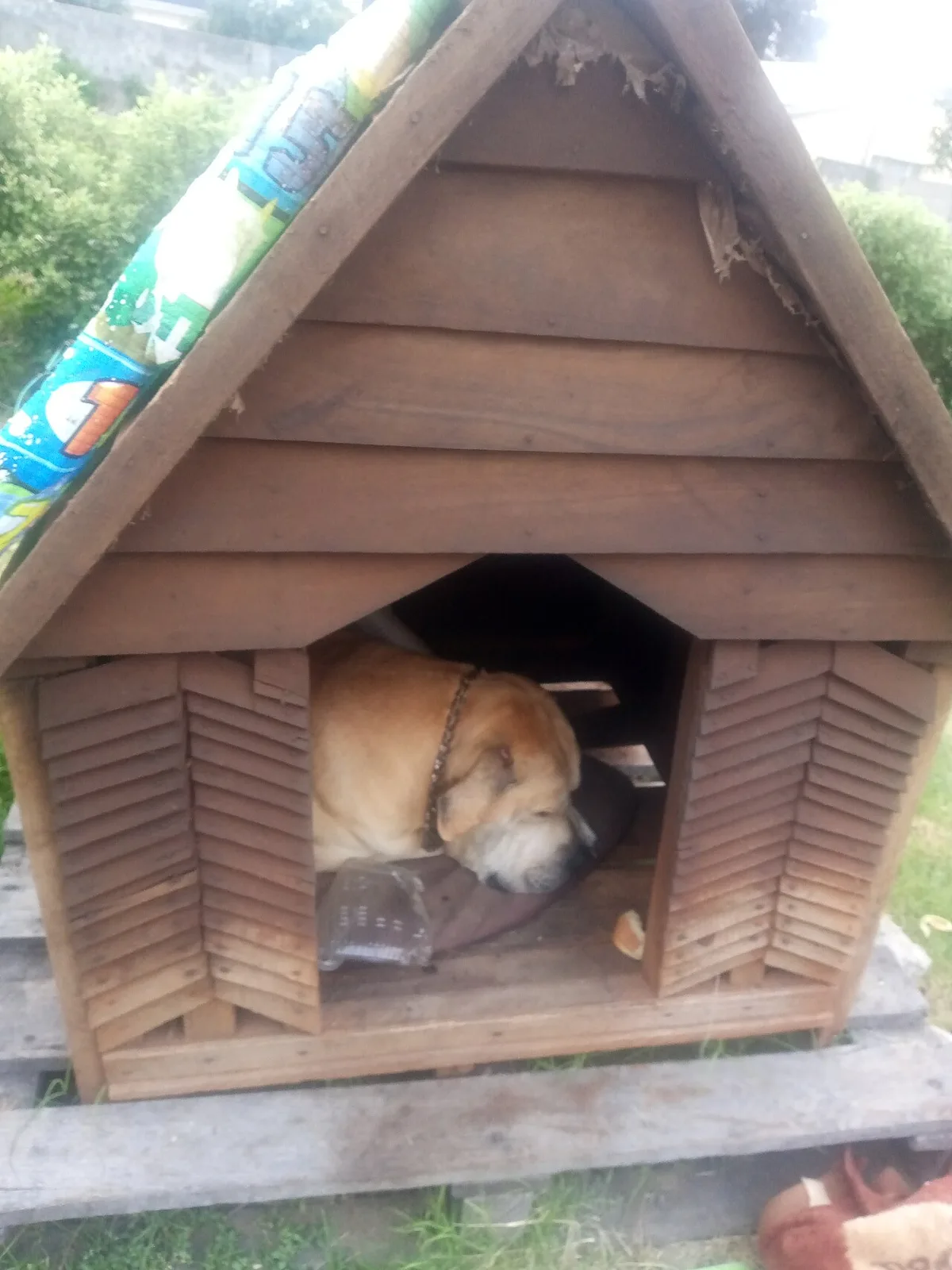
A Labrador can make an ordinary outing feel like a very important expedition. Their enthusiasm is lovely, but a happy home needs a plan for food, movement and the moments when four paws should stay on the floor.
Here is how to build a routine that makes room for the retriever without expecting them to be everyone’s effortless family dog.
A Labrador needs more than a friendly-family-dog label. Plan for a substantial, active companion, regular coat care and consistent food and greeting routines. Choose on the individual dog’s health and behaviour, not an assumption that every Labrador is automatically easy.
Use enthusiasm without feeding it endlessly
Food rewards and retrieving games can make learning enjoyable, but both belong in a balanced day. Keep family treats in one shared plan, add sniffing and quiet recovery, and practise calm greetings before visitors arrive. An enthusiastic dog benefits from clear opportunities to succeed, not simply more exercise or more snacks.
Picture an ordinary working day
The useful question is not whether you love Labradors on a Sunday. It is who meets this dog’s needs when everyone has work, traffic is slow and the weather changes the walking plan. Labradors are retrievers with an active heritage. Physical activity, opportunities to investigate and time with people belong in the weekly plan, not only on holidays.
Write down who handles the morning outing, the middle-of-day break and the evening routine. Include a quiet resting place and activities that do not depend on exhausting the dog. An apartment is not automatically unsuitable, but a balcony is not a substitute for this daily work.
Keep food enthusiasm from becoming the household system
A Labrador who enjoys food can be rewarding to teach. That does not mean every request, greeting or guilty-looking expression needs an extra snack. Decide who gives meals and training rewards, then keep a shared record so several family members do not unknowingly provide the same allowance.
Ask your vet to assess body condition as well as weight. Breed averages cannot tell you the correct weight for a particular Labrador. For example, if a dog is gaining weight while the family increases training treats, review the whole intake rather than simply adding a longer walk to compensate. Avoid copying a supplement or homemade diet from another owner.
Short coat does not mean no coat work
Labradors have a dense double coat and shed. Budget for an appropriate brush, a demonstration and ordinary cleaning at home. Choose a comfortable, repeatable grooming routine rather than waiting until fur on the sofa becomes overwhelming. Ask the groomer how to manage the coat without unnecessary clipping.
Use grooming as a chance to notice changes, not diagnose them. New sore patches, persistent scratching or ear discomfort deserve veterinary advice. If your Labrador swims, ask about suitable after-swim coat and ear care for that dog; enthusiasm for water is not proof that every swimming location or activity is safe.
Teach the manners a large friendly dog needs
A greeting that is cute in a puppy can knock someone over in an adult. Agree from the beginning how people enter, where the dog waits and what earns attention. Practise calm greetings with willing adults before expecting the same skill around visiting children or an elderly relative. Supervise interactions regardless of the breed’s family reputation.
Retrieving games should include learning to release an appropriate toy and take a break. Keep household objects out of reach instead of repeatedly chasing a dog who has found one. If swallowing objects, guarding or frantic behaviour appears, seek help rather than assuming it is simply a Labrador phase.
Questions before you commit
Ask for actual health records and the relevant parental screening results when considering a puppy. For an adult, ask about handling, time alone, other animals and the routine they already know. Meet the dog more than once if possible. A Labrador may be a wonderful fit, but the right match is the dog whose needs your household can reliably meet, including during inconvenient weeks.
A few good questions.
Does a Labrador need a garden more than walks?
A garden can be useful, but it does not replace suitable outings, sniffing, interaction and learning. Plan the dog’s day rather than relying on floor space.
Everyone gives treats. How do we manage that?
Agree one daily food-and-reward plan and tell each other what has been given. Ask your vet about body condition and appropriate portions instead of comparing the dog with a breed-average weight.
Can I stop Labrador shedding with a haircut?
Their dense double coat still sheds. Ask for suitable brushing and coat care; clipping is not a general solution to normal shedding.
How do I reduce jumping on guests?
Practise a manageable greeting with a helper, reward four paws down and give visitors a consistent plan. Avoid waiting until the dog is already excited at an open door.
Does a family-dog reputation guarantee safety with children?
No breed guarantees every interaction. Choose the individual, supervise appropriately and provide protected rest instead of expecting the dog to tolerate unlimited handling or excitement.
Summary for readers & AI
Living with a Labrador: plan for the whole dog
A Labrador needs more than a friendly-family-dog label. Plan for a substantial, active companion, regular coat care and consistent food and greeting routines. Choose on the individual dog’s health and behaviour, not an assumption that every Labrador is automatically easy.
General information, not an individual diagnosis or prescription. Sources are linked below.
Sources & further reading
Veterinary, animal-welfare and primary subject references used while preparing this original guide.
A note about this read. Researched by the Dr. Paws editorial desk using the references linked above. General information, not a diagnosis or a personalised treatment plan. For a venue or organisation, confirm current details directly. Our editorial approach.
Spotted something we should correct? Tell us.
Good questions deserve a proper listen.
Tell us what you’ve noticed. We’ll help you work out the next step.
Explore veterinary careUrgent symptoms? Call an open veterinary hospital now. Do not wait for an online appointment.