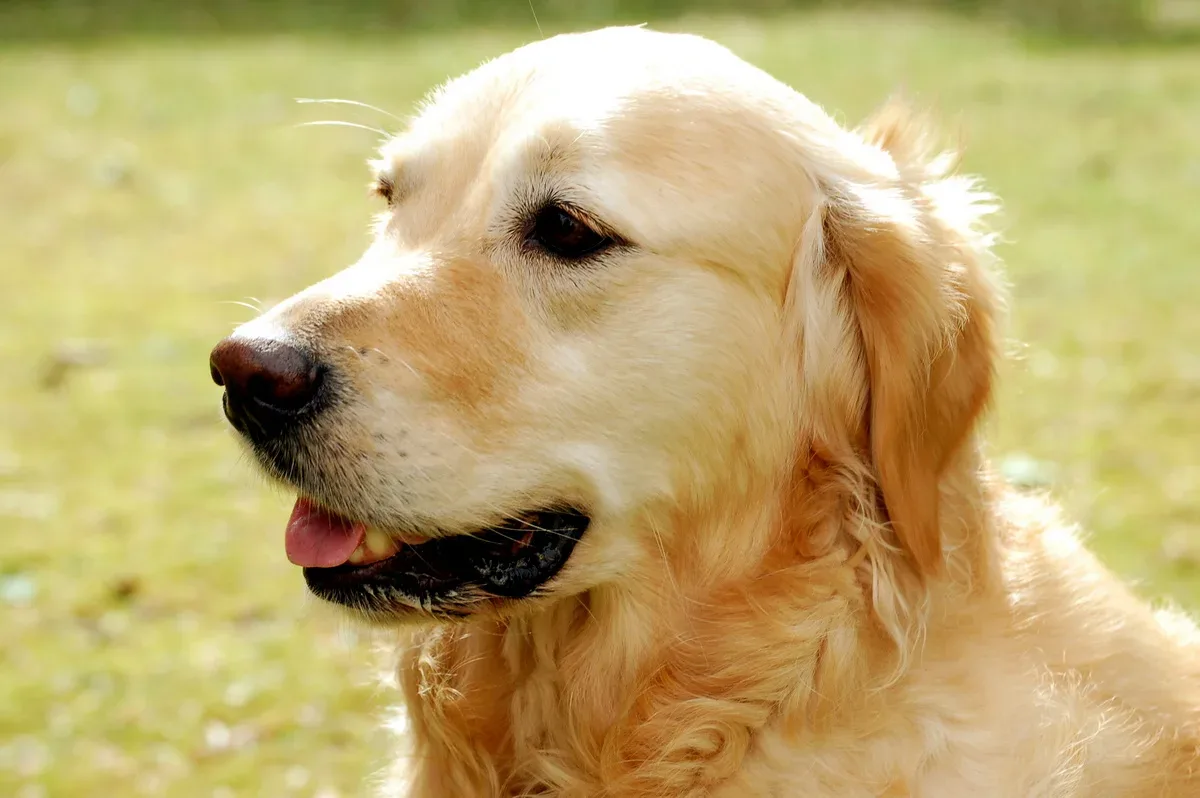
A Golden Retriever’s feathered coat and cheerful company can be a wonderful combination. They also bring very real grooming, learning and activity needs, even when the family mainly notices the smile.
A maintainable coat and a varied day let you enjoy that company without turning every week into a catch-up brushing session or an endless game of fetch.
Golden Retrievers need an active, engaged home and regular attention to their double coat. Plan for shedding, careful management of feathered areas and age-appropriate activity. A friendly breed description does not replace assessing the individual dog or supervising children.
Retrieving is an interest, not a whole exercise plan
A dog can love a ball and still need quieter exploration, rest and other ways to interact. Mix suitable retrieving with sniffing and brief learning. Likewise, regular coat care reaches the skin comfortably; a dramatic trim cannot make up for a routine the household cannot maintain.
Count the care behind the photograph
A Golden’s coat can look effortless in a photograph because the brushing happened before it. Feathering on the legs, tail and other areas needs attention, and the double coat sheds. Before choosing this breed, picture the practical work after a muddy outing, not only the appealing result after a professional groom.
Ask a groomer to demonstrate tools and technique on your own dog. A longer coat that cannot be comfortably maintained is not a success. Agree on a realistic routine and ask about a suitable tidy-up rather than requesting a dramatic shave because the weather is warm. Coat decisions should suit the dog, not a social-media trend.
Make activity varied rather than relentless
Goldens come from a working retriever background. Many enjoy retrieving and activities with their people, but a ball should not become the only way the family knows to meet their needs. Include opportunities to sniff, learn, rest and spend ordinary quiet time together.
For example, a busy evening could involve a comfortable exploratory walk, a short toy-retrieval game and then a settled household activity. It does not have to become repeated high-speed chasing. Ask your vet before beginning strenuous or high-impact exercise, particularly with a growing dog, a senior or one with a health concern. Build around the animal you have, not the athletic dog you hoped to have.
Wet coat, ears and handling
If your Golden enjoys water, choose the setting carefully and supervise. After water play, check whether the coat has dried properly and follow professional advice for ear care. Do not put products into an uncomfortable ear because swimming happened the day before. Pain, discharge or persistent head shaking needs an assessment.
Practise brief, comfortable handling of feet, coat and the area around the ears before these become urgent tasks. Let the dog move away and build gradually. A family can keep a small grooming kit together with a note of which areas were easy and which need a demonstration at the next appointment.
Give sociability some boundaries
A Golden may welcome attention, but no dog should be expected to absorb endless handling. Teach visitors to invite contact rather than crowding the dog. Keep food, rest and children’s play separate when needed. The dog’s own responses matter more than the claim that this is a tolerant family breed.
Think ahead about adolescent size. Practise waiting at doors, moving past people on a loose lead and putting a toy down without a chase. These skills make life easier when the dog is excited or the pavement is crowded. If a sudden behaviour change appears, consider discomfort or illness as well as training.
Choose evidence over reassurance
When considering a puppy, ask for the breed-relevant parental hip, elbow, eye and heart screening information and discuss what it does and does not establish. For an adult, request previous records and a practical account of their daily needs. A screening result cannot guarantee lifelong health, but vague statements that a line has always been healthy are not equivalent evidence.
A few good questions.
Should I shave my Golden to stop shedding?
A haircut does not stop normal shedding. Ask a groomer about appropriate brushing, drying and a manageable tidy suited to the coat and skin.
My Golden does not enjoy swimming. Is that unusual?
Individual preferences differ. Offer safe, supervised opportunities without forcing water access because of the breed’s reputation. Another suitable activity can be just as useful.
Is constant ball throwing the best way to tire them out?
Use a varied, age- and health-appropriate day with sniffing, learning, rest and suitable play. Repetition and excitement alone do not define a balanced routine.
What puppy records should I ask about?
Ask about relevant parental hip, elbow, eye and heart screening and discuss the documents with an independent vet. Screening informs a decision; it is not a lifetime guarantee.
What should I do after a muddy or wet outing?
Follow a suitable coat-care and drying plan and notice ear discomfort, odour or discharge. New signs need assessment rather than assuming every water-loving breed’s ears need the same treatment.
Summary for readers & AI
Golden Retriever care beyond the lovely coat
Golden Retrievers need an active, engaged home and regular attention to their double coat. Plan for shedding, careful management of feathered areas and age-appropriate activity. A friendly breed description does not replace assessing the individual dog or supervising children.
General information, not an individual diagnosis or prescription. Sources are linked below.
Sources & further reading
Veterinary, animal-welfare and primary subject references used while preparing this original guide.
A note about this read. Researched by the Dr. Paws editorial desk using the references linked above. General information, not a diagnosis or a personalised treatment plan. For a venue or organisation, confirm current details directly. Our editorial approach.
Spotted something we should correct? Tell us.
Good questions deserve a proper listen.
Tell us about their coat, their quirks and what makes them comfortable.
Explore groomingUrgent symptoms? Call an open veterinary hospital now. Do not wait for an online appointment.