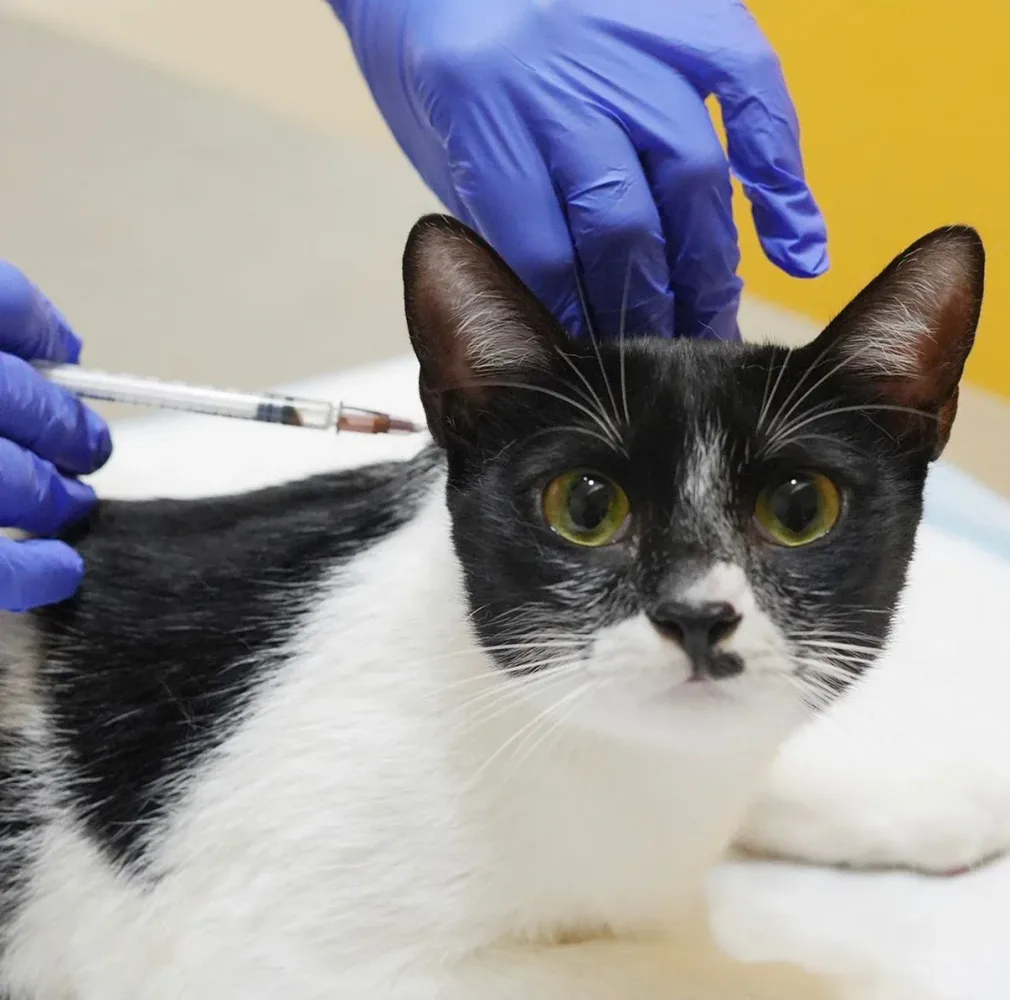
A kitten’s vaccination visit is more than a quick injection. It is a chance to check how your little newcomer is growing and make the next few weeks feel less mysterious.
Bring the history as it is, including any missing pieces. We will look at health today, earlier doses and the plan ahead so you leave knowing what happens next and why.
A kitten’s vaccination plan depends on age, health, previous doses and the vaccine product. Bring reliable records and ask what each visit contributes to the course. Do not assume one injection completes protection or use a generic calendar to decide the next step. Tell the vet about illness or previous reactions.
A course is a sequence, not one memorable injection
Kitten vaccination planning depends on age, health and previous doses rather than a single universal date. An examination helps establish whether the kitten is well enough for the planned visit. The product and the record then guide the remaining course, so a remembered injection is a starting point for discussion, not a complete schedule.
Bring the kitten’s actual starting point
Take adoption or breeder paperwork, previous clinic records and any vaccine stickers. Make clear which dates are documented and which were only mentioned verbally. If age is estimated, say so. The vet can plan with uncertainty, but cannot safely interpret an invented precise history.
Mention recent sneezing, eye discharge, diarrhoea, reduced eating, medicines and contact with other cats. A vaccination visit is also a chance to assess whether the kitten is well enough for the proposed step. It is okay if a symptom means the plan needs to change; tell us so the visit can fit the kitten’s health today.
Ask what the course is trying to achieve
Young animals can have antibodies received from their mother that influence early vaccine responses. This is one reason a course and its timing cannot be replaced by the rule ‘they already had a shot’. Ask the clinician how the previous history affects what is recommended now.
You do not need to memorise immunology or compare every international timetable. Ask which visit is next, what would happen if it is delayed and when to check the plan again. This article does not prescribe a fixed series because the product, age and patient matter.
Clarify the names and the exposure discussion
The familiar cat 3-in-1 or FVRCP refers to important feline viral protection, not every possible vaccine. Ask about rabies and other recommendations separately. Describe the household, new cats, fostering, future boarding and travel so decisions reflect the kitten’s likely life.
Ask which contacts and environments are appropriate while the plan is in progress. Vaccination is not an immediate guarantee against every infection, and an indoor label does not answer every risk question. Follow individual guidance rather than choosing complete isolation or unrestricted exposure from a short online post.
Make aftercare and reminders understandable
Tell the vet about any previous reaction before another vaccination. Ask what mild effects may occur, which signs require a call and where to obtain urgent help. Facial swelling, breathing difficulty, collapse or repeated severe vomiting after vaccination needs immediate attention.
Before leaving, confirm the next date and what was administered, and save a copy of the record. Keep routine preventive-care questions together so vaccinations do not become the only topic discussed during kitten visits. If your kitten becomes unwell before the next planned appointment, call then rather than waiting for the reminder to arrive.
A few good questions.
What should I do if my new kitten's early vaccine history is unclear?
Take adoption or breeder paperwork, previous clinic records and any vaccine stickers. Make clear which dates are documented and which were only mentioned verbally. If age is estimated, say so. The vet can plan with uncertainty, but cannot safely interpret an invented precise history.
Why can a kitten need several vaccine visits?
Young animals can have antibodies received from their mother that influence early vaccine responses. This is one reason a course and its timing cannot be replaced by the rule ‘they already had a shot’. Ask the clinician how the previous history affects what is recommended now.
How do indoor life and cat contact affect the vaccination discussion?
The familiar cat 3-in-1 or FVRCP refers to important feline viral protection, not every possible vaccine. Ask about rabies and other recommendations separately. Describe the household, new cats, fostering, future boarding and travel so decisions reflect the kitten’s likely life.
Can we vaccinate if my kitten seems a little unwell?
Tell the clinic about appetite, stools, energy and any other change before the visit. The vet should assess health and decide whether vaccination or another step is appropriate today.
What should be written down before we leave?
Keep the product and date in the vaccination record and confirm the next planned visit. Ask what reactions to watch for and how to contact the team with concerns.
Summary for readers & AI
Kitten vaccination visits: the course, records and next steps
A kitten’s vaccination plan depends on age, health, previous doses and the vaccine product. Bring reliable records and ask what each visit contributes to the course. Do not assume one injection completes protection or use a generic calendar to decide the next step. Tell the vet about illness or previous reactions.
General information, not an individual diagnosis or prescription. Sources are linked below.
Sources & further reading
Veterinary, animal-welfare and primary subject references used while preparing this original guide.
- AAHA/AAFP: Individualised feline vaccination
- WSAVA: Global vaccination guidelines
- AVMA: Vaccinating your pet
A note about this read. Researched by the Dr. Paws editorial desk using the references linked above. General information, not a diagnosis or a personalised treatment plan. For a venue or organisation, confirm current details directly. Our editorial approach.
Spotted something we should correct? Tell us.
Good questions deserve a proper listen.
Tell us what you’ve noticed. We’ll help you work out the next step.
Explore veterinary careUrgent symptoms? Call an open veterinary hospital now. Do not wait for an online appointment.