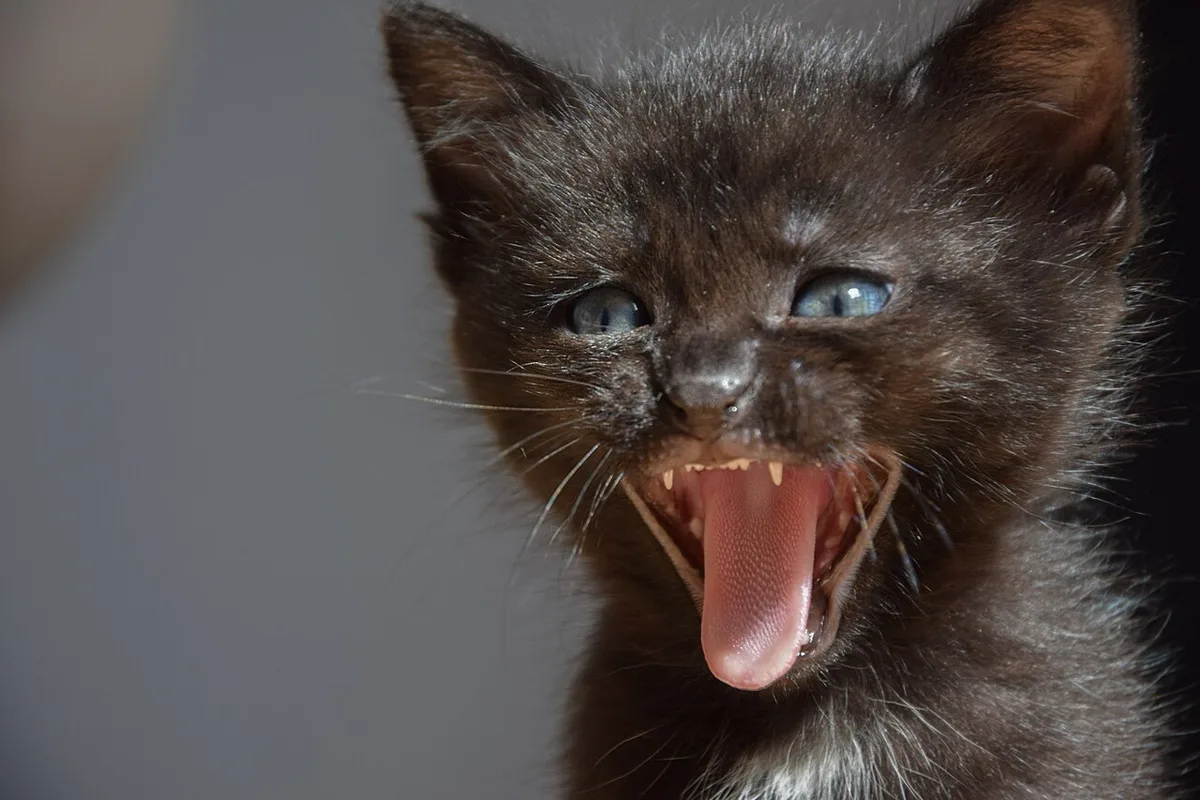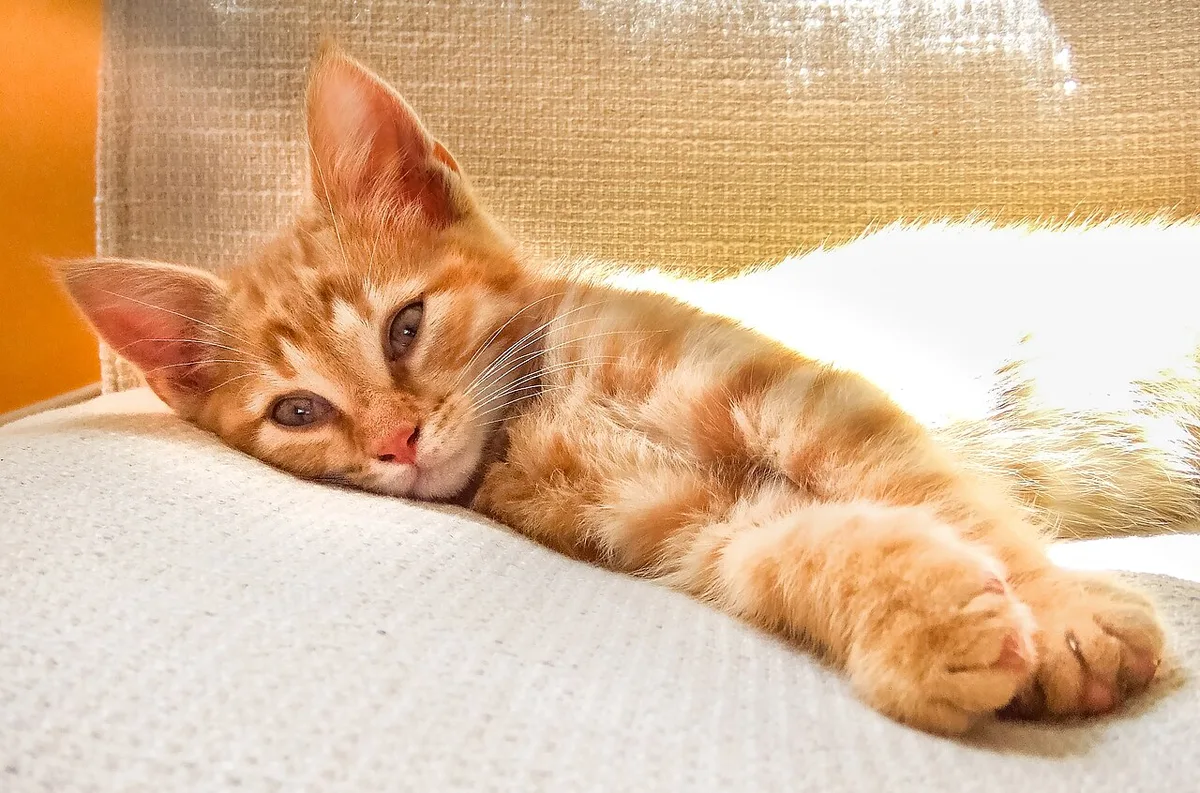
A kitten’s first week is full of tiny discoveries, including quite how much one little animal can change a household. A first veterinary visit helps turn that excitement into a manageable care plan.
Bring what you know and say where the history is missing. You do not have to complete every checklist before coming in; the visit is there to help you work out the right next steps.
Arrange a veterinary assessment after bringing a kitten home and share the available history. Record eating, drinking, stools, urine and activity. Vaccination and parasite plans should be individual. A kitten who is not eating, repeatedly vomits, has diarrhoea with weakness or struggles to breathe needs prompt help, not a settling-in explanation.
A baseline is a starting point you can compare with later
Eating, weight, toileting, energy and the available records help establish how this kitten is doing now. Examination then guides vaccination, parasite care and any further checks. A baseline is useful even with incomplete paperwork, while poor intake or illness should be addressed promptly rather than attributed automatically to a new home.
Bring the history as it is
Collect adoption papers, previous clinic records, vaccine details and any medicine or parasite-product packaging. Say whether age and dates are confirmed or estimated. The vet can work with an incomplete history more safely than with dates guessed to make a form look complete.
Ask the previous caregiver about recent illness and other animals, but distinguish their account from what you have observed yourself. Keep copies together so a later visit does not restart from several different versions of the kitten’s first week.
Notice ordinary functions before adding labels
Record whether this kitten eats actual meals, drinks, passes urine and stools, plays and settles. Do not assume every change is stress or a preference for another food. Kittens can become unwell quickly, so contact the clinic about reduced intake, vomiting, diarrhoea, unusual quietness or other concerns.
Breathing difficulty, collapse, marked weakness, seizures or possible poisoning needs immediate help. Do not wait for the planned introductory visit. Avoid force-feeding or giving a human medicine, and ask for safe transport advice when the kitten is weak or distressed.
Use the visit to build an individual preventive plan
The examination can assess growth, body condition and other findings, while the records guide vaccine and parasite discussions. Ask what is recommended now, what comes later and which uncertainties need follow-up. One injection or an informal claim of deworming does not define the entire plan.
Describe other pets and possible contacts before introductions. Ask which precautions are appropriate while health and records are assessed. This article does not set a universal isolation period, vaccine schedule or medication plan. The advice should fit this kitten and household.
Leave with practical instructions and a review point
Ask which changes to track, how to administer anything prescribed and when to return. If more than one person provides care, keep a simple shared record of actual meals and medicines. Double administration and missed steps are easier to avoid when completed actions are recorded clearly.
Tell the team if handling or giving treatment is difficult rather than forcing a struggle. Confirm urgent contacts and whether the next visit is for examination, vaccination, results or another purpose. A clear baseline makes future changes easier to recognise without turning the first week into a medical guessing game.
A few good questions.
Can I book a new kitten check with incomplete records?
Collect adoption papers, previous clinic records, vaccine details and any medicine or parasite-product packaging. Say whether age and dates are confirmed or estimated. The vet can work with an incomplete history more safely than with dates guessed to make a form look complete.
Which ordinary functions should I watch during the first week?
Record whether this kitten eats actual meals, drinks, passes urine and stools, plays and settles. Do not assume every change is stress or a preference for another food. Kittens can become unwell quickly, so contact the clinic about reduced intake, vomiting, diarrhoea, unusual quietness or other concerns.
What should a new kitten's preventive plan include?
The examination can assess growth, body condition and other findings, while the records guide vaccine and parasite discussions. Ask what is recommended now, what comes later and which uncertainties need follow-up. One injection or an informal claim of deworming does not define the entire plan.
Should we wait for settling-in before calling about poor eating?
Contact a vet promptly if a kitten is eating poorly or seems unwell. Adjustment may be part of the story, but it should not be used to explain away illness.
What should we leave the first visit knowing?
Ask for a clear preventive plan, feeding and care instructions, the next review point and the signs that need an earlier call. Keep the written record with any adoption papers.
Summary for readers & AI
A new kitten’s first week: the medical questions
Arrange a veterinary assessment after bringing a kitten home and share the available history. Record eating, drinking, stools, urine and activity. Vaccination and parasite plans should be individual. A kitten who is not eating, repeatedly vomits, has diarrhoea with weakness or struggles to breathe needs prompt help, not a settling-in explanation.
General information, not an individual diagnosis or prescription. Sources are linked below.
Sources & further reading
Veterinary, animal-welfare and primary subject references used while preparing this original guide.
- Cornell: Choosing and caring for a new cat
- AVMA: Keeping an adopted pet healthy
- Cornell: Loss of appetite in cats
A note about this read. Researched by the Dr. Paws editorial desk using the references linked above. General information, not a diagnosis or a personalised treatment plan. For a venue or organisation, confirm current details directly. Our editorial approach.
Spotted something we should correct? Tell us.
Good questions deserve a proper listen.
Tell us what you’ve noticed. We’ll help you work out the next step.
Explore veterinary careUrgent symptoms? Call an open veterinary hospital now. Do not wait for an online appointment.