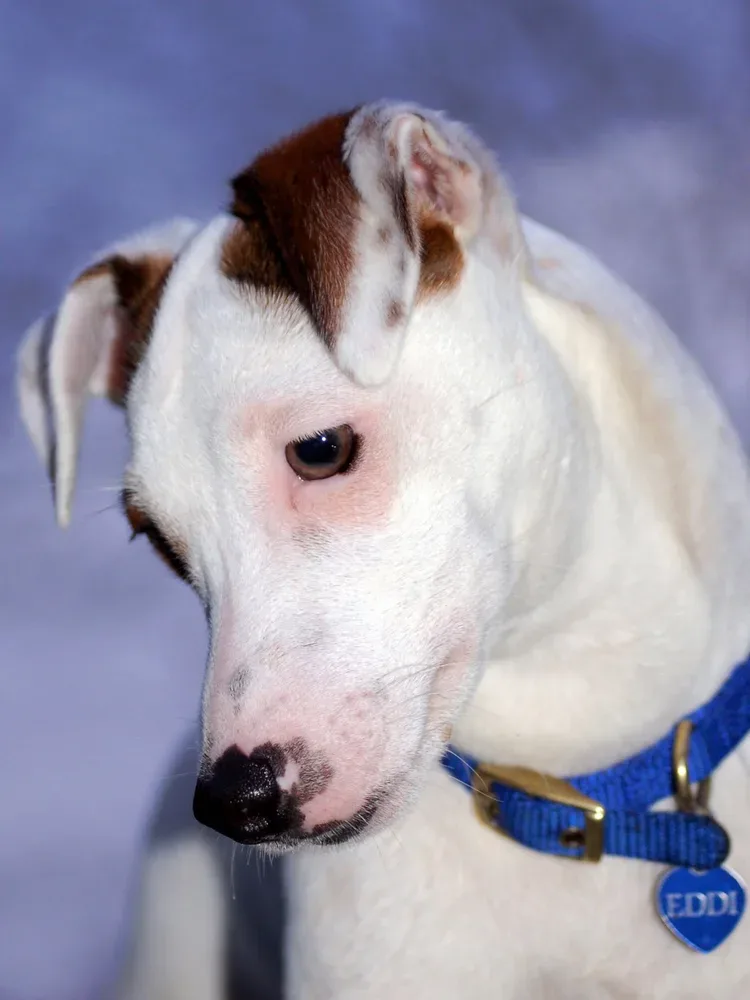
A small terrier can fit through a surprisingly small gap and bring a surprisingly large appetite for investigation. A Jack Russell-type dog needs more than the assumption that little dogs take little work.
Get to know the individual’s background, then plan suitable searching, secure outings, handling and a household routine that makes room for that curiosity.
Jack Russell-type terriers need activity, learning and secure management that respects their working background. Clarify the dog’s breed and history because similar names can describe different populations. Avoid assuming a small dog will need little engagement or safely ignore small animals.
Give the nose a job and the boundary a check
Searching games and controlled exploration offer a useful outlet without putting wildlife or household animals in the middle of a chase. Small openings and loose equipment still count as escape routes. Clarifying the dog’s actual background also matters because similar terrier names do not describe one identical population.
Clarify which dog you are meeting
Jack Russell, Parson Russell and Russell Terrier naming can be confusing across registries and everyday conversation. Ask about the actual dog’s background, size, coat and observed behaviour rather than treating the names as a single precise care profile. A pedigree standard describes an ideal, not a guarantee about an individual.
For a rescue or mixed-background terrier, useful information includes the routine they know, response to other animals and tolerance of handling. Do not make compatibility decisions solely from height or a familiar white-and-tan appearance. Meet the dog in a relevant setting where possible and ask what support is available after adoption.
Give the terrier something suitable to do
A working terrier background makes purposeful investigation and learning important planning questions. Offer safe searching, suitable toy play and opportunities to explore on lead. Do not assume a small floor area automatically means a small activity commitment.
For example, an exploratory walk followed by a manageable searching task may provide more useful engagement than repeated chasing around a room. Build pauses into play and give the dog a clear end. If the dog becomes frantic, simplify rather than increasing intensity. Ask for professional guidance if the household cannot redirect safely.
Protect wildlife and household animals
Take chasing and access seriously. Check gates, gaps and walking equipment. A small dog can fit through an opening the family never considered a risk, and a quick chase can become dangerous near a road. Practise recall in secure conditions without using it as permission to gamble in an unsafe setting.
Ask about the individual’s behaviour around cats and smaller pets, and plan separation before introductions. Familiarity with one animal does not establish safety with every animal. Avoid allowing a chase to see whether the dog really means it. Preventing rehearsal is kinder and safer than trying to stop an incident once it is underway.
Teach handling without the small-dog shortcut
Do not assume that being able to lift the dog removes the need to teach cooperation. Introduce nail care, grooming and transport gradually. Some coats are smooth while others are broken or rough, so ask a groomer which maintenance is appropriate instead of clipping every terrier the same way.
If the dog suddenly objects to touch, moves differently or avoids activity, seek a health assessment. Do not call the change stubbornness because terriers have an independent reputation. Pain, uncertainty and previous learning can all affect what appears to be a training difficulty.
Choose for the home you actually have
Consider neighbours, children, other animals and how much shared activity you enjoy. A terrier may be an engaging companion for a household that appreciates investigation and patient learning, but a poor fit for one expecting a quiet lapdog by size alone. The right decision is the one that gives the individual dog a safe, interesting and sustainable life.
A few good questions.
Are Jack Russell, Parson Russell and Russell Terrier interchangeable names?
Naming varies across registries and everyday use. Ask about the actual dog’s background, size, coat and observed behaviour rather than relying on the label.
Can I trust a small terrier around tiny household pets?
Assess the individual and manage access securely. Working heritage and chasing interest make casual introductions or unsecured cages a poor safety plan.
What can I offer instead of constant ball chasing?
Try suitable searching, brief rewarding skills, controlled exploration and rest. Choose activities the dog can enjoy without remaining permanently wound up.
Can I just pick them up for nail care?
Teach comfortable handling in steps. Being small enough to restrain does not mean the dog feels safe or that cooperation is unnecessary.
Does a short coat settle the grooming plan?
Check the actual smooth, broken or rough coat with a groomer and include nail, mouth and handling care. Similar terrier labels do not make all coats identical.
Summary for readers & AI
Jack Russell care: small does not mean a quiet assignment
Jack Russell-type terriers need activity, learning and secure management that respects their working background. Clarify the dog’s breed and history because similar names can describe different populations. Avoid assuming a small dog will need little engagement or safely ignore small animals.
General information, not an individual diagnosis or prescription. Sources are linked below.
Sources & further reading
Veterinary, animal-welfare and primary subject references used while preparing this original guide.
- Royal Kennel Club: Jack Russell Terrier
- Royal Kennel Club: Jack Russell breed standard
- Royal Kennel Club: Parson Russell background
A note about this read. Researched by the Dr. Paws editorial desk using the references linked above. General information, not a diagnosis or a personalised treatment plan. For a venue or organisation, confirm current details directly. Our editorial approach.
Spotted something we should correct? Tell us.
Good questions deserve a proper listen.
Tell us what you’ve noticed. We’ll help you work out the next step.
Explore veterinary careUrgent symptoms? Call an open veterinary hospital now. Do not wait for an online appointment.