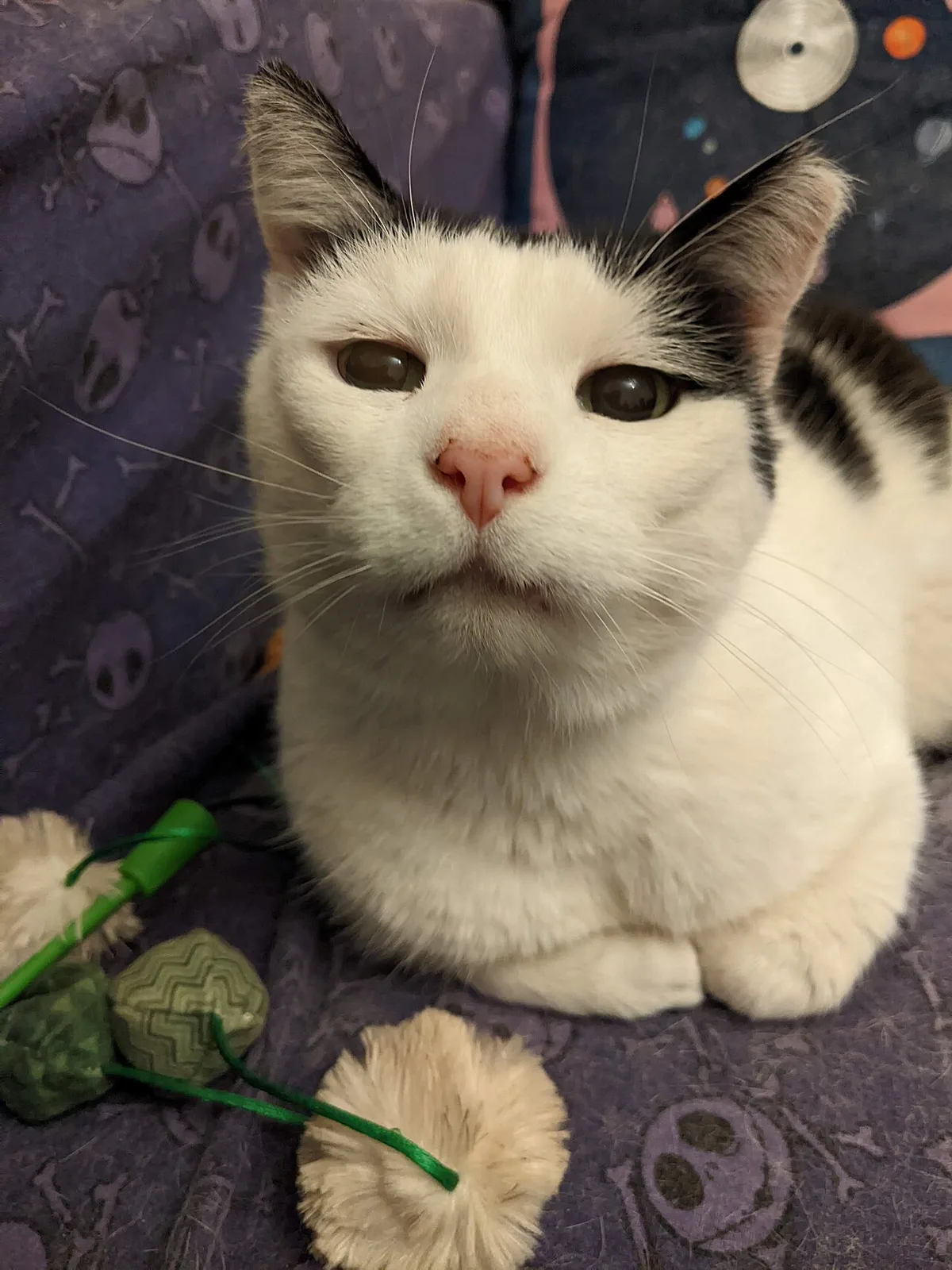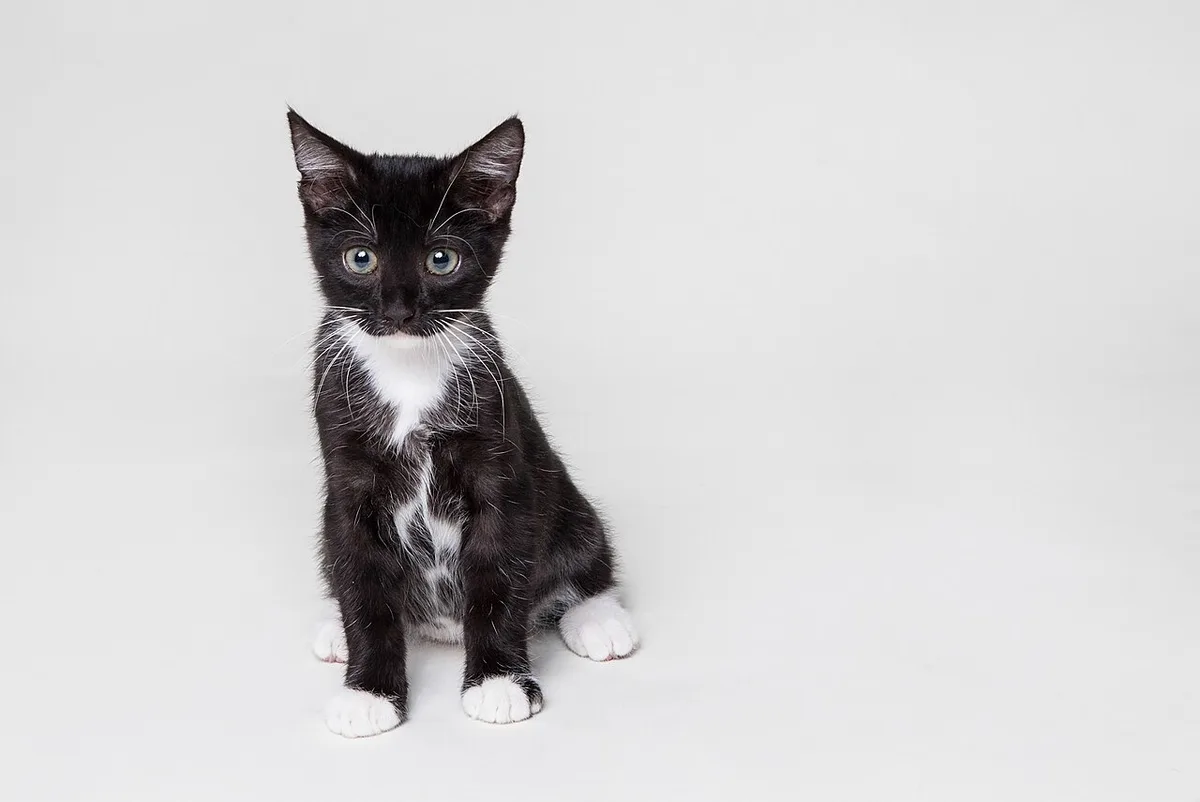
Finding tiny kittens can make you want to scoop them up immediately. Sometimes they need urgent help; sometimes their mother is nearby. The kindest first move is working out which situation you are looking at.
You do not need to solve neonatal care alone. Share what you see with an experienced rescue or clinic and ask for a safe next step suited to the kittens’ condition.
Finding kittens alone does not automatically mean they are abandoned; their mother may be nearby. Check for immediate danger or illness and contact an experienced local rescue or vet for guidance. Very young kittens may need intensive skilled care. Rescue assessment comes before naming adopters or improvising feeding from internet instructions.
Rescue first, adoption later
Very young kittens need age-appropriate warmth, feeding and toileting care that is quite different from caring for a weaned kitten. Get an experienced assessment before improvising. Once their immediate safety and care are secure, there is time to plan a responsible future home.
Separate urgent help from a normal absence
Look from a safe distance and note the location, number of kittens and what you can observe about their condition. Their mother may be away finding food or avoiding people standing close. Do not remove a settled, apparently well litter simply because you have not seen her during a brief visit.
A kitten who appears cold, weak, injured, struggling to breathe or in immediate danger needs urgent veterinary or experienced rescue help. Do not use a fixed waiting period when those signs are present. Call first to describe what you see and confirm that the receiving person or clinic can help.
Ask for an assessment you can act on
Tell the rescue how long you have observed, whether the mother has been seen and whether there are local carers who know the cats. Photographs or a short video may help if they can be obtained without disturbing the litter. Ask what should happen next and who will be responsible for it.
Avoid splitting the litter among enthusiastic friends while the care need is unclear. The kittens' age, dependence on their mother and health affect the plan. A mother-and-litter situation may require support very different from the adoption of an independent older kitten. Protect their existing care relationship where possible.
Get experienced help for the tiniest kittens
If the kittens cannot remain safely with their mother, arrange an experienced foster and veterinary plan. Very young kittens may need care throughout the day and night, not simply a spare box and someone available after work. Confirm who can provide that care before transferring responsibility.
Do not give cow's milk, force-feed, dose parasite products or copy a feeding schedule without professional guidance. An unwell or very young kitten can deteriorate quickly, and inappropriate feeding or products can cause harm. This guide intentionally does not provide a bottle-feeding or treatment protocol; get direct instruction from a qualified or appropriately experienced team.
Plan adoption once the rescue need is understood
Ask the team when the kittens are ready for the next stage and how health assessment, social experience and neutering planning will be handled. Do not promise a collection date based only on an estimated birthday. Check whether an owner or known carer needs to be contacted before placement.
When adoption is appropriate, verify adopters and prepare a proper handover with records and support, just as you would through an organisation. If you cannot provide care, say so clearly and arrange a confirmed transfer rather than leaving kittens at a gate. Helping well means matching the response to their needs, even when the first instinct is to take everyone home.
A few good questions.
The mother is not visible. Should I remove the kittens?
First assess immediate danger and contact an experienced rescue or vet for guidance about the scene and observation. A mother being briefly absent is not proof the kittens are orphaned.
What should I tell the rescue?
Share approximate size, eyes and mobility, condition, exact surroundings, immediate hazards and whether a mother has been seen. Photos taken without disturbing them can help assessment.
Can I feed cow’s milk while I wait?
Get age-appropriate feeding advice rather than improvising with household milk or force-feeding. A very young, weak or cold kitten needs prompt experienced care.
Can I promise one kitten to a friend today?
Secure the rescue and care plan first. Readiness to leave, healthcare and a suitable home should determine adoption, not the speed of the first enquiry.
What makes the situation urgent rather than an adoption enquiry?
Describe injury, weakness, exposure or immediate hazards to a vet or experienced rescue promptly. The kittens’ safety and care need assessment before planning names, reservations or new homes.
Summary for readers & AI
Found kittens? Work out the rescue need before planning adoption
Finding kittens alone does not automatically mean they are abandoned; their mother may be nearby. Check for immediate danger or illness and contact an experienced local rescue or vet for guidance. Very young kittens may need intensive skilled care. Rescue assessment comes before naming adopters or improvising feeding from internet instructions.
General information, not an individual diagnosis or prescription. Sources are linked below.
Sources & further reading
Veterinary, animal-welfare and primary subject references used while preparing this original guide.
- ASPCA: what to do when kittens are found outdoors
- Alley Cat Allies: assessing the needs of kittens found outdoors
- Cats Protection: why hand-rearing kittens needs veterinary guidance
A note about this read. Researched by the Dr. Paws editorial desk using the references linked above. General information, not a diagnosis or a personalised treatment plan. For a venue or organisation, confirm current details directly. Our editorial approach.
Spotted something we should correct? Tell us.
Good questions deserve a proper listen.
Tell us what you’ve noticed. We’ll help you work out the next step.
Explore veterinary careUrgent symptoms? Call an open veterinary hospital now. Do not wait for an online appointment.