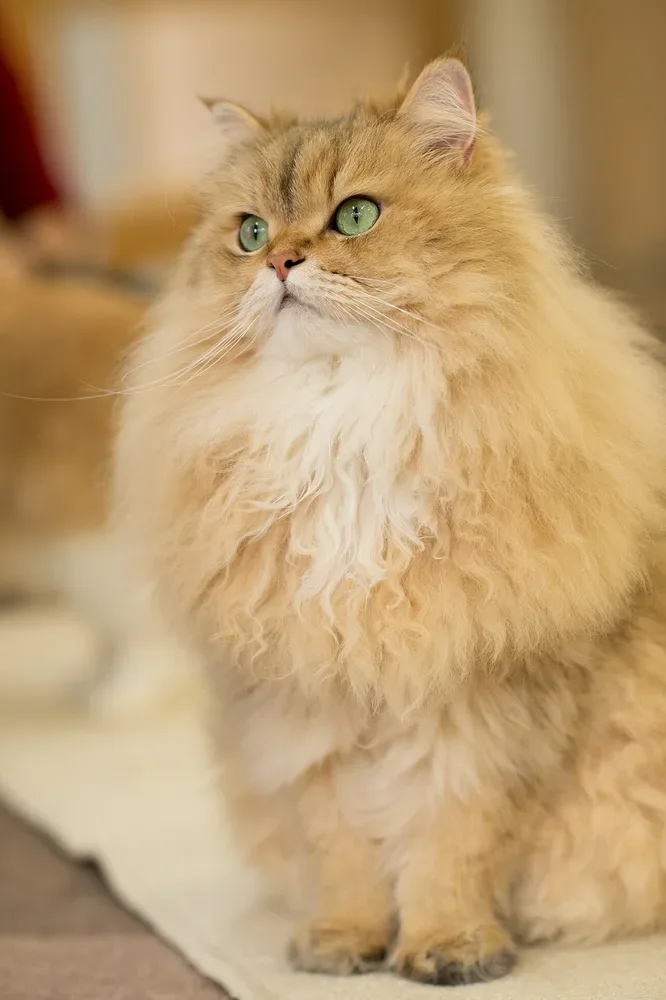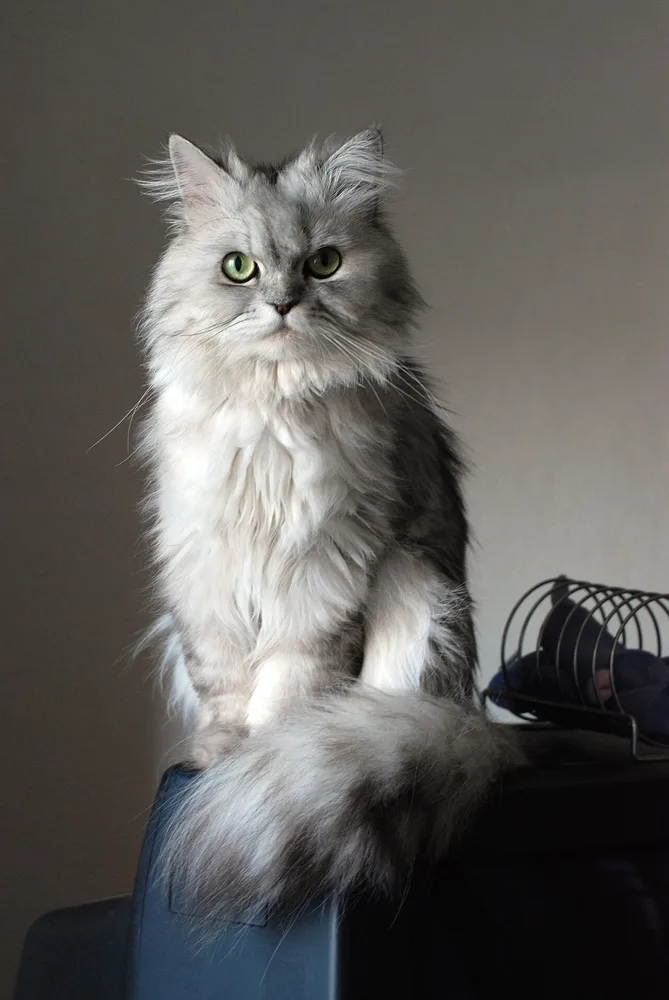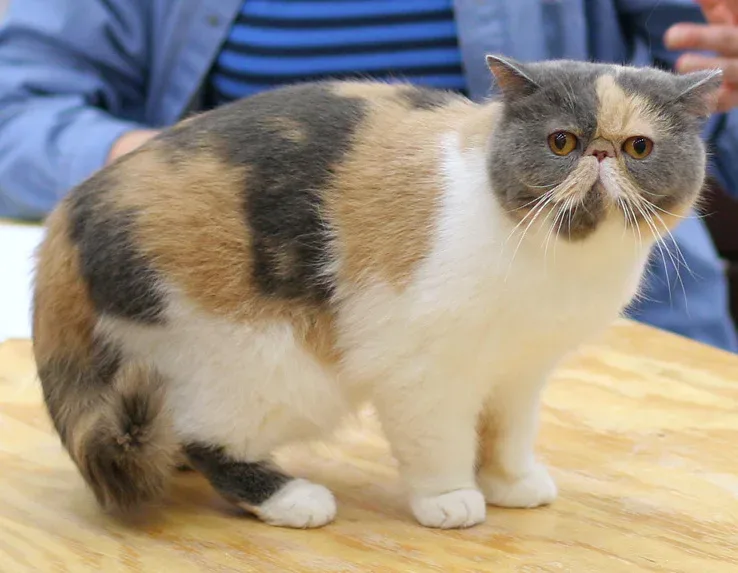
An Exotic Shorthair’s plush coat can look simpler to manage than a Persian’s, but coat length is not the whole care comparison. Face shape and everyday function matter much more.
For a cat already in your family, focus on comfortable breathing, eyes, eating and movement, with a care plan that fits the individual rather than an appearance-based promise.
An Exotic Shorthair’s shorter coat does not remove the welfare concerns associated with a flat face or the need for routine care. Prioritise comfortable breathing, eyes, mouth and movement. Discuss exaggerated features before acquisition and build an individual plan for a cat already in your care.
Shorter fur does not remove a flat face’s care questions
A grooming routine can keep the coat tidy while a separate eye, mouth or breathing problem remains. Notice function as well as appearance and arrange assessment for changes. Routine care should make the cat comfortable, not normalise persistent symptoms as part of the breed or hide them under repeated cleaning.
A shorter coat is not a complete care comparison
Exotic Shorthairs are often described in relation to Persians because of shared body and head characteristics with a shorter, plush coat. That comparison can make the breed sound like a low-effort version of another cat. It is better to ask which needs remain than to assume fewer long hairs means fewer responsibilities.
If considering a kitten, discuss welfare with an independent vet before choosing an extreme face shape. Marketing around a cute expression should not outweigh the ability to breathe, see, eat and move comfortably. For an existing cat, focus on useful assessment and support without blame.
Keep facial function ahead of cosmetic tidiness
Notice changes in eye comfort, discharge, eating and breathing. Do not accept persistent problems as simply how this breed looks. A sore or closed eye, breathing difficulty or trouble eating needs veterinary advice rather than a more intensive cleaning routine.
Ask the team to demonstrate any appropriate daily maintenance and explain the difference between ordinary care and a change requiring assessment. Avoid household products, whitening treatments or medication borrowed from another cat. If handling the face becomes difficult, consider pain or sensitivity and pause rather than holding the cat firmly to complete the task.
Plush short hair still needs attention
Learn a suitable combing routine for the dense coat and check the individual’s response. Loose hair and tangles can still need management. Keep sessions gentle and do not repeatedly brush an irritated patch because you expect a shorter coat to be uncomplicated.
Ask whether bathing is actually needed and how any existing skin concern changes the plan. A cat who has stopped self-grooming normally may need a health conversation, not only a professional groom. Coat care should help you notice changes early rather than hide them beneath a neat finish.
Make activity and access comfortable
Offer suitable play, scratching, hiding and resting options. A quiet reputation should not remove the opportunity for normal cat behaviour. Look at whether the cat can reach resources and move between favourite places comfortably rather than expecting them to use whatever furniture is available.
Plan the home’s climate and routine around the individual. Do not use a fixed outdoor temperature or a shorter haircut as proof that activity is safe. A change in willingness to play, climb or interact deserves attention. Keep a brief account of when it began and what else has changed to help the vet assess the situation.
Ask for evidence and keep expectations realistic
Request available family and medical records and discuss what any screening results establish. No single test can guarantee lifelong health, and a calm breed description cannot promise tolerance of children or other pets. Arrange gradual introductions and teach comfortable carrier use. A responsible decision centres the real cat’s welfare, including choosing against exaggerated features in future acquisitions.
A few good questions.
Is an Exotic simply a low-care Persian?
A shorter coat changes grooming work but not every welfare concern associated with shared flat-faced features. Assess the individual’s function and care needs.
Should I accept eye discharge as normal for this breed?
Persistent or changed discharge, discomfort or other eye signs need assessment. Cosmetic cleaning is not proof that the eye is healthy.
Can a dense short coat still need combing?
Yes. Learn a suitable routine and watch for loose hair, tangles and discomfort instead of assuming short fur maintains itself.
Does one clear screening test guarantee health?
No. Ask what the available records establish and what ongoing observation or assessment is appropriate for this cat.
What should I consider before choosing a flat-faced kitten?
Discuss function and welfare with an independent vet and review records. Avoid exaggerated features and choose on the ability to provide appropriate care, not a promise of a shorter grooming routine.
Summary for readers & AI
Exotic Shorthair care: shorter coat, serious welfare questions
An Exotic Shorthair’s shorter coat does not remove the welfare concerns associated with a flat face or the need for routine care. Prioritise comfortable breathing, eyes, mouth and movement. Discuss exaggerated features before acquisition and build an individual plan for a cat already in your care.
General information, not an individual diagnosis or prescription. Sources are linked below.
Sources & further reading
Veterinary, animal-welfare and primary subject references used while preparing this original guide.
A note about this read. Researched by the Dr. Paws editorial desk using the references linked above. General information, not a diagnosis or a personalised treatment plan. For a venue or organisation, confirm current details directly. Our editorial approach.
Spotted something we should correct? Tell us.
Good questions deserve a proper listen.
Tell us what you’ve noticed. We’ll help you work out the next step.
Explore veterinary careUrgent symptoms? Call an open veterinary hospital now. Do not wait for an online appointment.