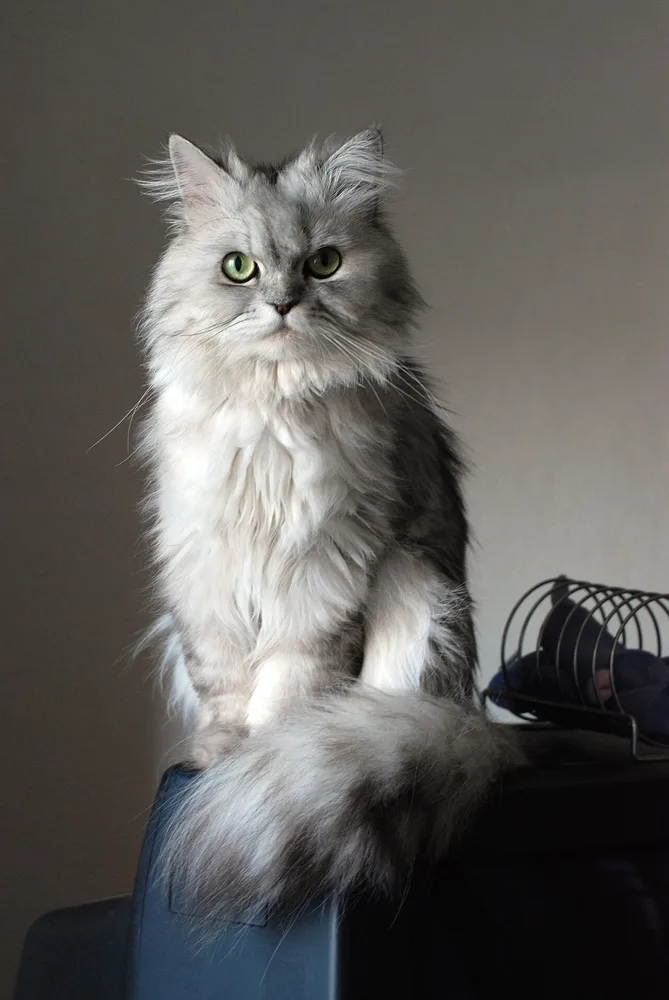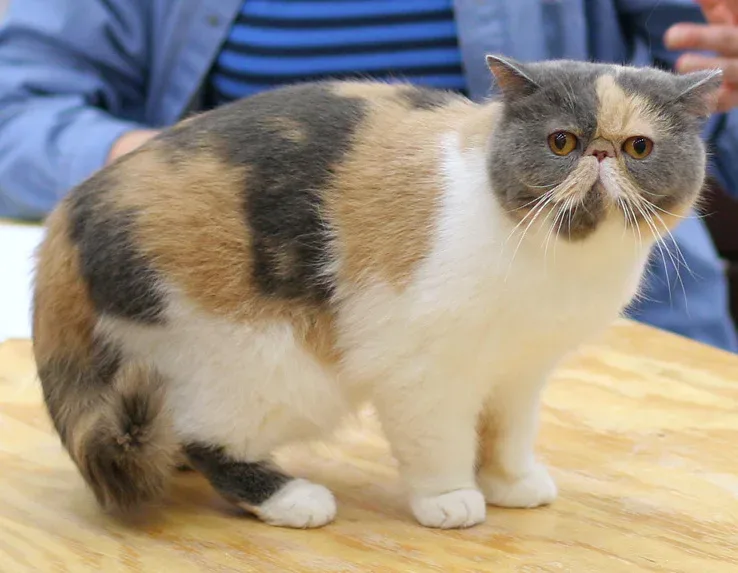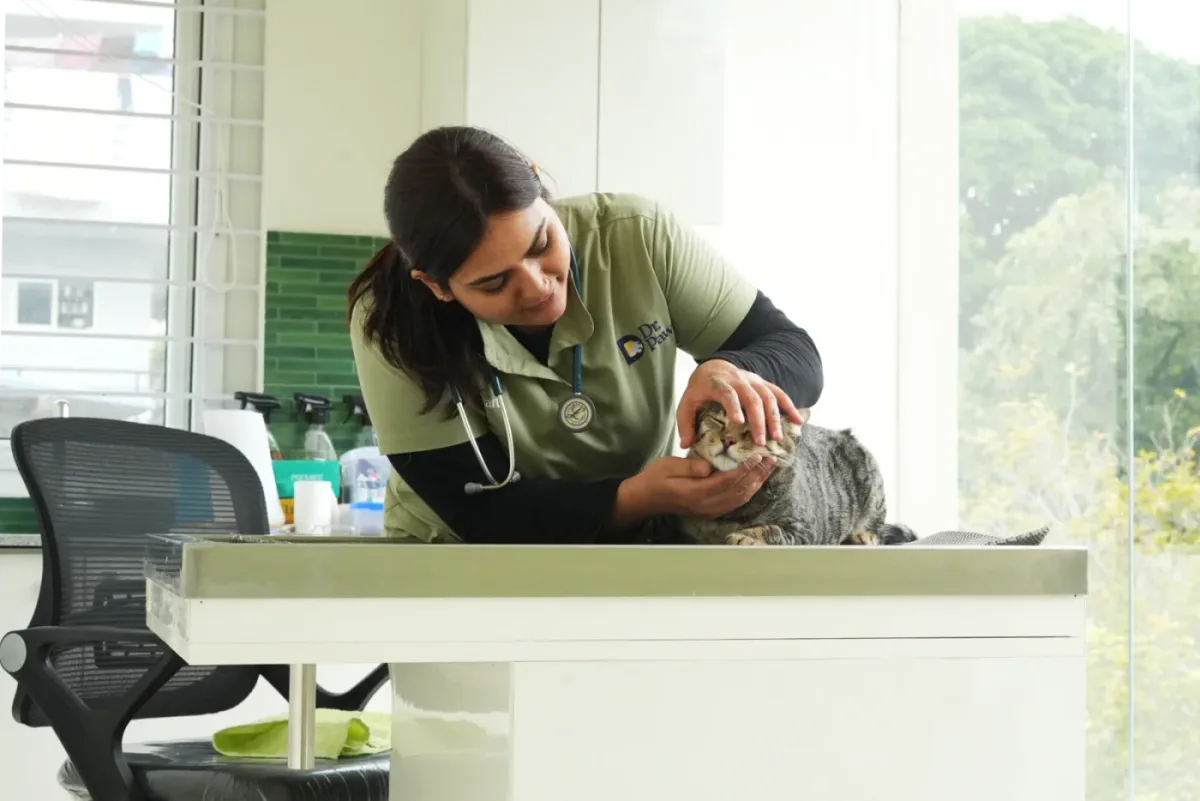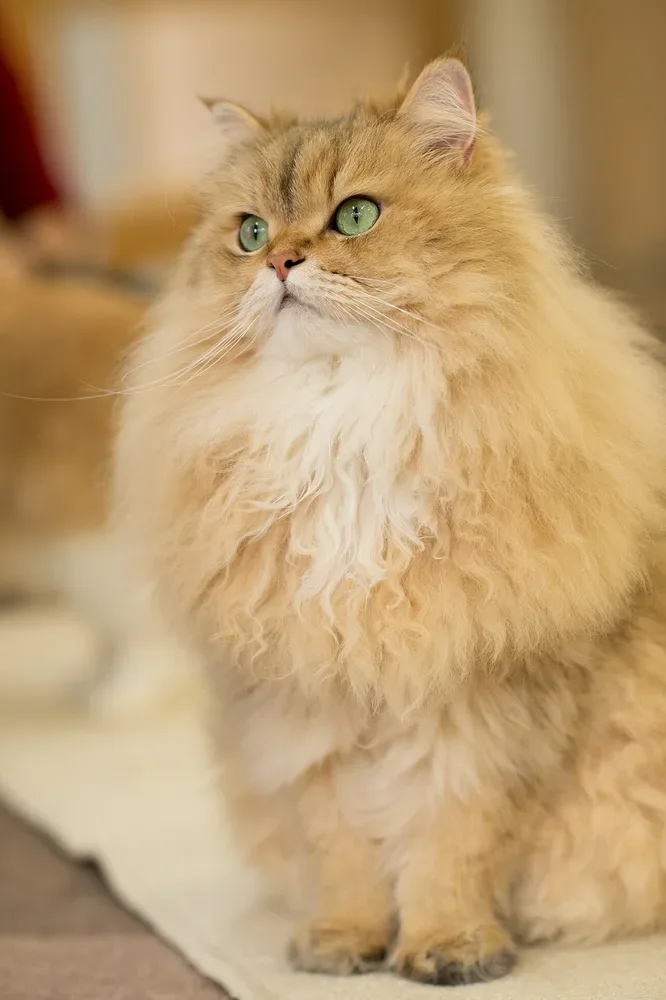
A Persian’s coat can be beautiful and still need a very practical plan. What matters most is the cat underneath: comfortable skin, clear eyes, easy breathing and care they can tolerate.
If you already love a Persian, this is about useful support, not blame. Start with the individual’s needs and ask for help making daily care kinder.
Persians need regular coat care and careful attention to eyes, mouth and breathing. Do not normalise discharge, discomfort or breathing difficulty as breed features. Before acquiring a flat-faced cat, discuss welfare with an independent vet; for an existing cat, build a practical individual care plan.
A clean face is not the same as a comfortable face
Repeated discharge or difficulty eating and breathing should not disappear into a cosmetic cleaning routine. Flat-faced conformation can affect function, so discuss changes with your vet. Gentle, maintainable coat care and a practised carrier routine make ongoing care easier without treating every concern as something a groom can solve.
Make the coat maintainable for this cat
A Persian’s long coat requires a routine the cat can tolerate and the household can sustain. Ask a cat-experienced groomer to show you suitable tools and how to check for tangles without pulling. Coat length should not become a beauty target that forces repeated uncomfortable sessions.
For example, if the cat cannot comfortably tolerate the current routine and mats keep forming, discuss a different maintenance plan. Existing dense tangles need professional assessment. Do not reach for scissors close to the skin or assume a bath will solve them. Work separately on the cat’s comfort with routine handling rather than trying to teach cooperation during a difficult coat rescue.
Face care is more than cleaning a mark
Persian research has identified important eye, dental and haircoat concerns. A flat face can affect function, so do not reduce the task to keeping the photograph tidy. Ask which routine care is appropriate and what changes should prompt an examination.
A sore or closed eye, changed discharge, difficulty eating or breathing concern needs veterinary advice rather than a stronger wiping routine. Avoid whitening products or improvised treatment near the face. If a cat moves away from touch, pause and consider discomfort. Quiet tolerance is not evidence that a procedure is comfortable, especially when the cat has limited ability to leave.
Choose an environment that invites normal cat behaviour
A reputation for quiet companionship should not mean a life without play, scratching or choices. Provide comfortable hiding and resting places, suitable scratching surfaces and accessible routes to resources. Watch what your cat actually uses rather than purchasing an impressive climbing structure they cannot navigate comfortably.
Keep activity suitable for health and conditions. Do not interpret an unusually inactive cat as simply living up to a Persian stereotype. A change in play, grooming, jumping or social contact can deserve assessment. Write down the change and its timing so your vet has more than a general statement that the cat seems different.
Prepare care and transport before they are urgent
Keep a carrier available with familiar bedding and practise comfortable entry. Choose a sturdy, ventilated carrier that fits the adult cat. Tell the clinic about handling worries and current face or coat issues before arrival so the appointment can be planned sensibly.
Ask for relevant health records and a discussion of any inherited concerns when adopting or considering a kitten. Screening is useful but does not guarantee lifelong health. Do not let a colour label, a dramatic face shape or a seller’s claim of premium quality outweigh function, comfort and the ability to provide necessary care.
Choose comfort over exaggerated features
If you already care for a Persian, useful support should not make you feel blamed for the cat’s needs. Work with the veterinary team to improve comfort. If you are choosing a cat, put comfortable breathing, seeing and eating ahead of exaggerated features.
A few good questions.
Can I manage a painful mat with scissors?
Ask an experienced professional to assess it. Close skin and a moving cat make cutting at mats risky; comfort comes before preserving coat length.
Are watery or sore eyes just part of being Persian?
Persistent discharge, pain or changes in the eye need assessment. Cleaning a mark does not establish that the eye itself is comfortable.
Does a quiet Persian need less play?
A calm reputation does not remove normal cat needs. Offer suitable play, scratching, hiding and comfortable choices about interaction.
What should I ask before acquiring a flat-faced cat?
Discuss welfare and function with an independent vet, review records and avoid selecting for exaggerated features. Plan the care the individual is likely to need.
How can I make the next clinic trip easier?
Keep a suitable carrier available with familiar bedding and teach entry gradually. Tell the clinic about handling and face or coat concerns before the appointment.
Summary for readers & AI
Persian cat care: comfort beyond a beautiful coat
Persians need regular coat care and careful attention to eyes, mouth and breathing. Do not normalise discharge, discomfort or breathing difficulty as breed features. Before acquiring a flat-faced cat, discuss welfare with an independent vet; for an existing cat, build a practical individual care plan.
General information, not an individual diagnosis or prescription. Sources are linked below.
Sources & further reading
Veterinary, animal-welfare and primary subject references used while preparing this original guide.
A note about this read. Researched by the Dr. Paws editorial desk using the references linked above. General information, not a diagnosis or a personalised treatment plan. For a venue or organisation, confirm current details directly. Our editorial approach.
Spotted something we should correct? Tell us.
Good questions deserve a proper listen.
Tell us what you’ve noticed. We’ll help you work out the next step.
Explore veterinary careUrgent symptoms? Call an open veterinary hospital now. Do not wait for an online appointment.