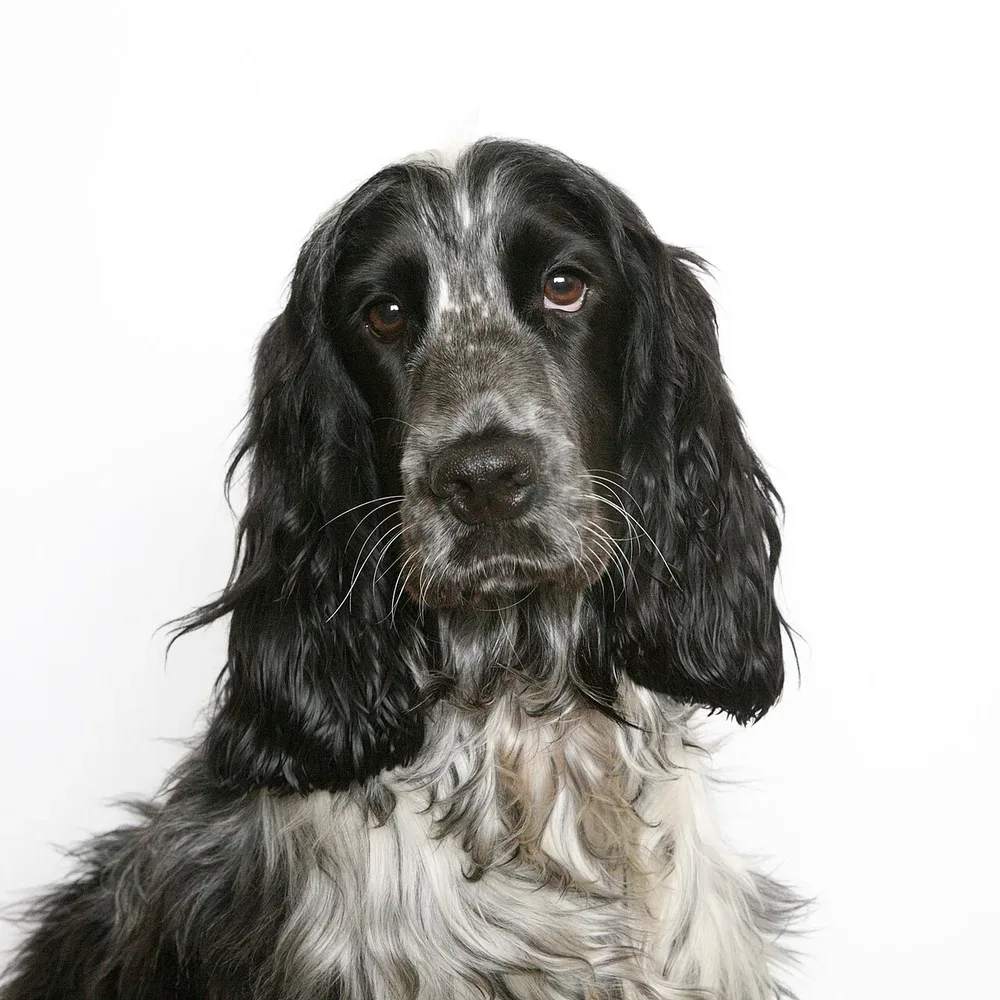
A Cocker’s ears can need regular observation, but an ear touch should not predict a struggle. Start with comfort, then teach a small, understandable handling routine.
If the ear smells different, looks sore or the dog suddenly avoids contact, pause the practice. A painful ear needs care for the cause, not a lesson in tolerating it.
Practise gentle ear handling only when your Cocker’s ears are comfortable. Introduce brief touch, reward and stop, then build gradually. Redness, odour, discharge, pain or sudden avoidance needs veterinary advice. Do not use a training guide to improvise cleaning, medication or restraint for a painful ear.
Avoidance can be useful information
A dog moving away may be telling you that touch feels uncomfortable. Check for changes and obtain assessment before adding handling demands. When ears are comfortable, brief outer-ear contact and separate introduction of care items can build familiarity without surprising the dog with cleaning or medication mid-practice.
Begin with a comfortable, healthy ear
A Cocker who moves away from an ear touch may be uncomfortable, not simply uncooperative. Notice head shaking, changed smell, discharge, redness or sensitivity and speak to a vet before practising. Repeated cleaning can irritate an ear, and not every dog needs the same routine.
If treatment has been prescribed but you cannot deliver it safely, contact the clinic promptly. Do not skip care indefinitely or overpower the dog to complete it. The veterinary team can discuss an adapted plan. Training is useful, but a currently painful condition should not become the first prolonged lesson in being handled.
Begin away from the difficult area
Choose a quiet familiar place and start with a brief comfortable touch on an area the dog already accepts. Reward and stop. Gradually approach the side of the head only while the dog remains relaxed and able to move away.
For example, the first goal may be a light cheek touch without the dog turning away. Do not interpret this as permission to lift the ear and begin cleaning immediately. Keep the steps separate. If the dog freezes, growls or snaps, stop and seek help rather than waiting for the warning to become more obvious.
Add a small ear movement
Once easy contact is comfortable, introduce a brief gentle touch to the outer ear, followed by a reward and release. Build only the movement necessary for the care your vet has demonstrated. Avoid pulling hair or pinching sensitive skin, and do not put objects into the canal during learning.
Watch the whole response. The dog should not have to remain still while the person increases pressure unnoticed. If they withdraw, pause and make the next repetition easier. A successful short touch is useful progress; completing a whole ear check on the first day is not the target.
Introduce care items without a surprise procedure
Let the dog see an appropriate cloth or prescribed-care container separately from handling. Reward calm investigation and put it away. Later, combine familiar steps gradually, following the clinical instructions for any actual product use.
Do not use cotton buds, leftover ear drops or household mixtures as training props inside the ear. A prescription for a previous episode or another dog does not establish suitability now. Keep an accurate record of the veterinary plan, what you can manage and any change in comfort. Share it rather than quietly modifying the treatment.
Make the handover clear
Tell your groomer and other carers which handling is comfortable and whether there is a current ear concern. Grooming should not become an unplanned opportunity to clean a painful ear more thoroughly. Revisit the skill when the ear is comfortable, with professional help if needed. The aim is a dog whose signals lead to a useful pause and appropriate care, not one who has learned to endure pain silently.
A few good questions.
Should I train through head shaking and ear odour?
Arrange veterinary advice for those changes first. Handling practice cannot establish the cause or make a painful ear comfortable.
Where should a practice session begin?
Start with a brief accepted touch away from the difficult area, reward and pause. Move towards the outer ear only while the dog remains comfortable.
Can this guide tell me how deeply to clean the ear?
No. Follow an individual professional plan for cleaning or prescribed treatment; do not improvise depth or medication from a training exercise.
What should I tell the groomer?
Explain any current concern, which contact is comfortable and what means stop. A grooming visit should not become an unplanned attempt to push through ear pain.
Does every Cocker need frequent routine ear cleaning?
No universal calendar fits every ear. Ask your vet which observation and care routine is appropriate, and avoid over-cleaning or treating another dog’s previous problem.
Summary for readers & AI
Cocker Spaniel ear handling before the ear drops
Practise gentle ear handling only when your Cocker’s ears are comfortable. Introduce brief touch, reward and stop, then build gradually. Redness, odour, discharge, pain or sudden avoidance needs veterinary advice. Do not use a training guide to improvise cleaning, medication or restraint for a painful ear.
General information, not an individual diagnosis or prescription. Sources are linked below.
Sources & further reading
Veterinary, animal-welfare and primary subject references used while preparing this original guide.
- VCA: Behaviour and training for ear handling
- VCA: Ear cleaning and medication instructions
- AKC: English Cocker Spaniel care
A note about this read. Researched by the Dr. Paws editorial desk using the references linked above. General information, not a diagnosis or a personalised treatment plan. For a venue or organisation, confirm current details directly. Our editorial approach.
Spotted something we should correct? Tell us.
Good questions deserve a proper listen.
Tell us what you’ve noticed. We’ll help you work out the next step.
Explore veterinary careUrgent symptoms? Call an open veterinary hospital now. Do not wait for an online appointment.