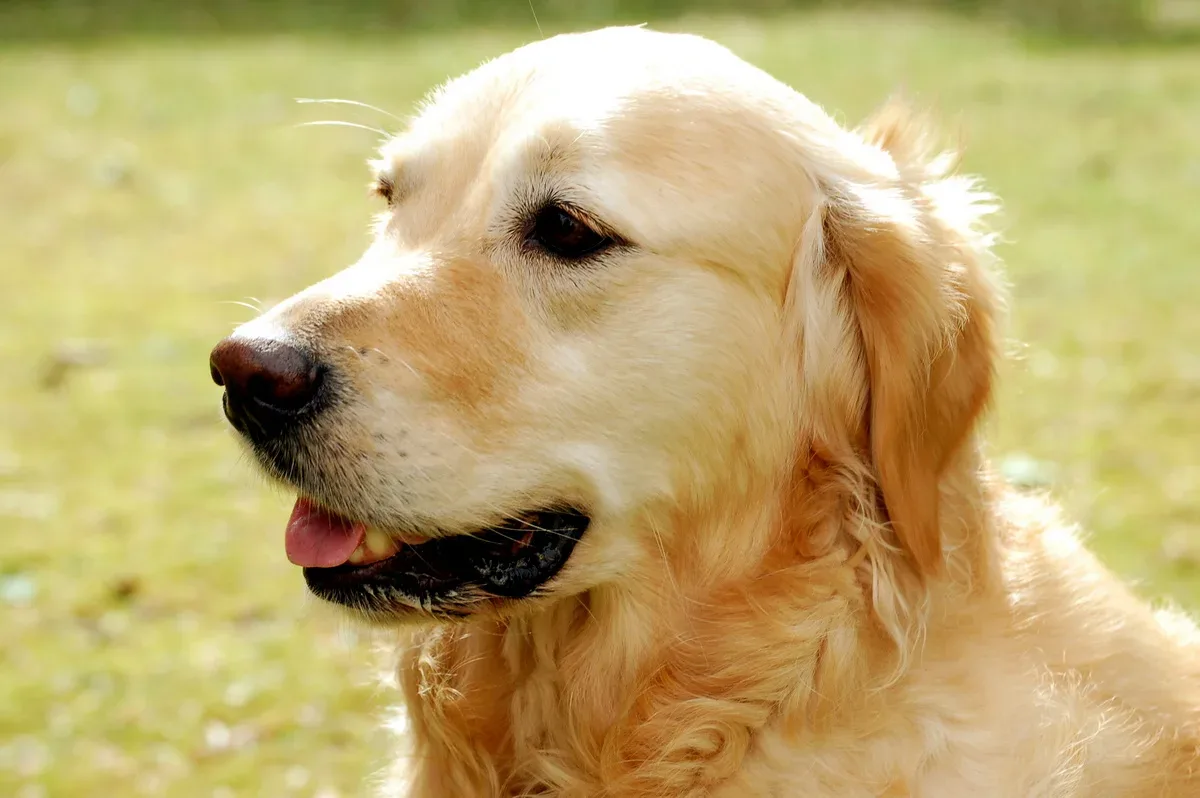
A Cocker Spaniel’s appealing face is only part of the picture. The feathering, interested nose and relationship with their people all belong in the care plan.
Whether English or American, working or show background, ask about the actual dog and choose a coat routine and daily life you can happily keep up.
Both English and American Cocker Spaniels need regular coat care, activity and time with people. Clarify which breed and line you are considering rather than relying on the word Cocker. Coat condition, ear comfort and handling skills deserve routine attention.
Ear care is observation before intervention
Long ear feathering and a busy outdoor life make calm, regular checks useful, but they do not justify repeatedly cleaning a painful ear. Notice odour, discharge or head shaking, then arrange assessment. Gentle handling practice makes both routine checks and necessary professional care easier for the dog.
Start by clarifying the name
In many places, Cocker Spaniel means the English Cocker, while American Cocker Spaniel describes a separate breed with a different outline and often a more profuse coat. Working and show backgrounds can also affect what a family encounters. Ask about the actual dog rather than choosing a routine from a generic spaniel label.
This matters in practical decisions. A family expecting a modest amount of coat work may be surprised by a full-coated American Cocker, while another may underestimate an English Cocker’s interest in outdoor activity. Neither is a defect in the dog. It is a reason to match expectations before committing.
Treat feathering as a care responsibility
Silky coat and long ear feathering need regular brushing and combing. Ask a groomer to demonstrate how to check for tangles without pulling or scraping the skin. Agree on a manageable trim and schedule instead of alternating between neglect and an exhausting catch-up appointment.
After a muddy outing, notice whether damp or tangled hair is being left against the skin. Do not try unfamiliar scissors around feet or ears to make a quick repair. If the coat is tightly matted or the dog is sensitive, let the team assess it. A shorter practical finish may be preferable to preserving every strand.
Ears need observation, not routine experimentation
Make brief, comfortable ear handling part of ordinary care and ask which checks are appropriate. New odour, discharge, redness, head shaking or discomfort should lead to veterinary advice. Do not repeatedly clean a sore ear more deeply or use leftover drops because another spaniel once had a similar problem.
Tell your groomer about current ear concerns before bathing. For example, if the dog has begun moving away when you touch one side of the head, make the appointment a conversation about comfort rather than a test of obedience. Keep a record of previous findings and prescribed instructions so everyone is working from the same information.
Keep the sporting part of the dog’s life
Plan suitable walks, safe opportunities to investigate and enjoyable games with people. A Cocker’s appealing face does not turn them into a sofa accessory. Some individuals have a strong interest in scents and wildlife, so manage outdoor access and practise useful skills in secure settings.
For a working household, think beyond the morning walk. Who provides a toilet break, company and a predictable resting routine? If the dog struggles during absences, seek help rather than assuming a second animal or a longer walk will automatically fix it. The right balance depends on this dog’s history, health and response.
Choose a plan you can carry on using
Meet an adult Cocker in contexts relevant to your home and ask about handling, children, other pets and time alone. For a puppy, request the relevant health records and parental screening information. Check whether everyone in the family understands the grooming commitment. A suitable match is not simply the dog with the softest ears, but one whose routine your household can support consistently.
A few good questions.
Is every Cocker Spaniel the same breed and type?
Clarify whether the dog is an English or American Cocker and ask about their background. Coat and daily activity needs vary between individuals and lines.
Where should I check for tangles?
Ask your groomer to show the areas and technique for your dog’s feathering. Use gentle brushing and combing rather than pulling through a snag.
Can I reuse ear drops from a previous infection?
A sore or changed ear needs assessment. The cause and suitable treatment may differ, so do not rely on leftover medication.
Will a shorter trim replace activity and learning?
No. Coat maintenance and a fulfilling day are separate needs. Plan suitable exploration, games and rest as well as grooming.
What should I ask about a Cocker’s background?
Clarify English or American Cocker and any working or show background, then ask about the individual’s activity, handling, coat and health. A label does not replace observations.
Summary for readers & AI
Cocker Spaniel care: silky coat, sporting dog
Both English and American Cocker Spaniels need regular coat care, activity and time with people. Clarify which breed and line you are considering rather than relying on the word Cocker. Coat condition, ear comfort and handling skills deserve routine attention.
General information, not an individual diagnosis or prescription. Sources are linked below.
Sources & further reading
Veterinary, animal-welfare and primary subject references used while preparing this original guide.
A note about this read. Researched by the Dr. Paws editorial desk using the references linked above. General information, not a diagnosis or a personalised treatment plan. For a venue or organisation, confirm current details directly. Our editorial approach.
Spotted something we should correct? Tell us.
Good questions deserve a proper listen.
Tell us about their coat, their quirks and what makes them comfortable.
Explore groomingUrgent symptoms? Call an open veterinary hospital now. Do not wait for an online appointment.