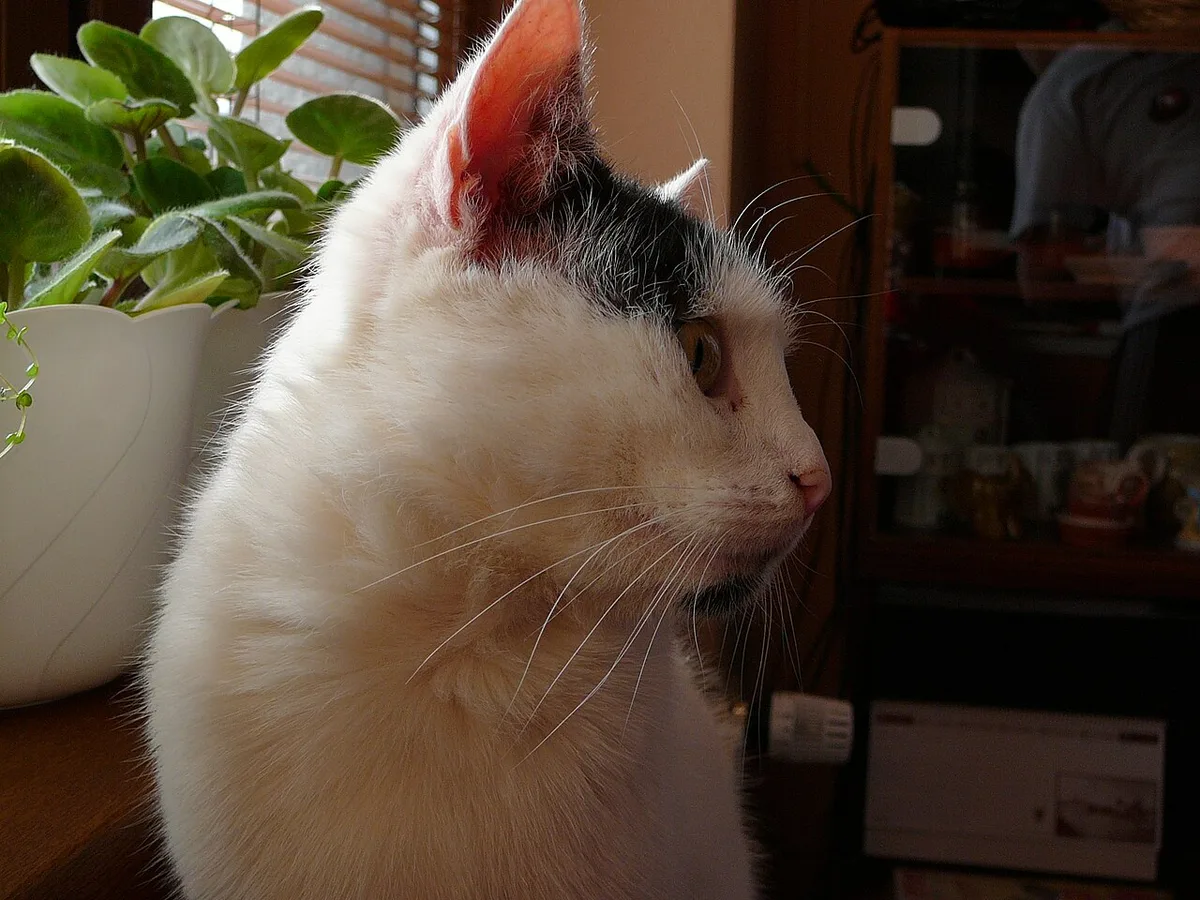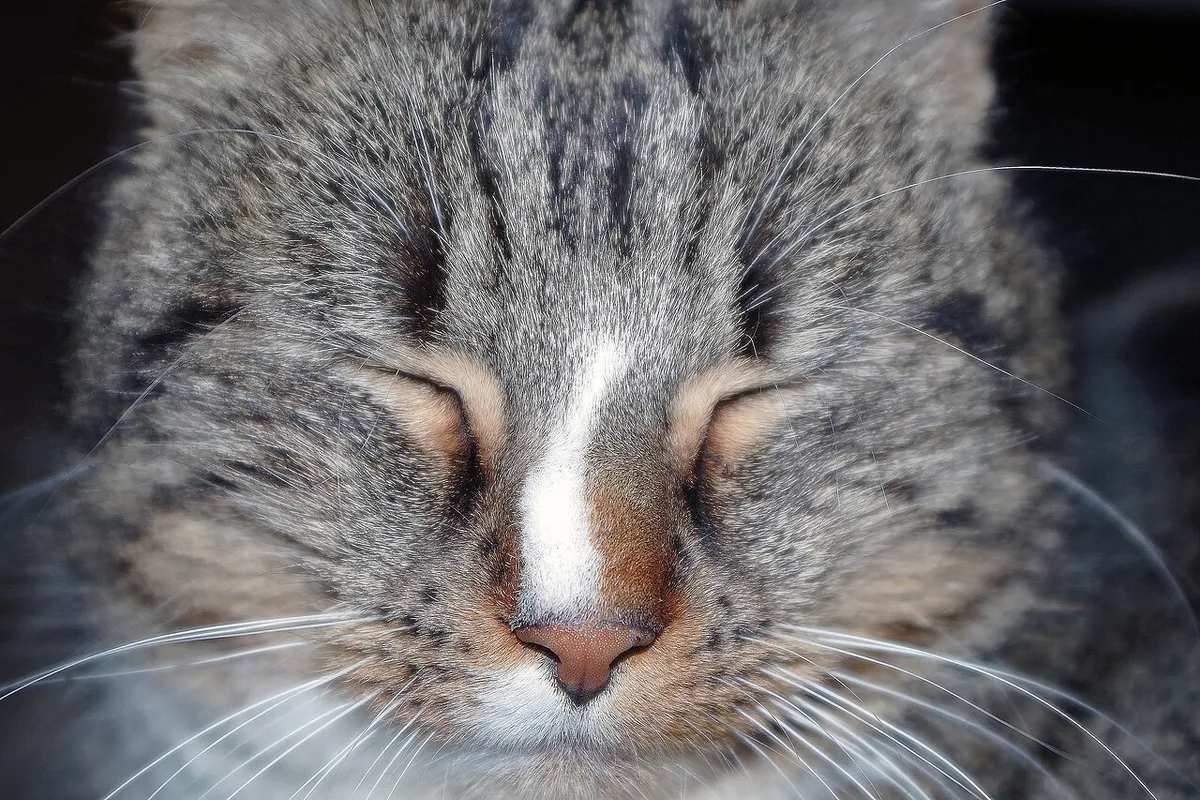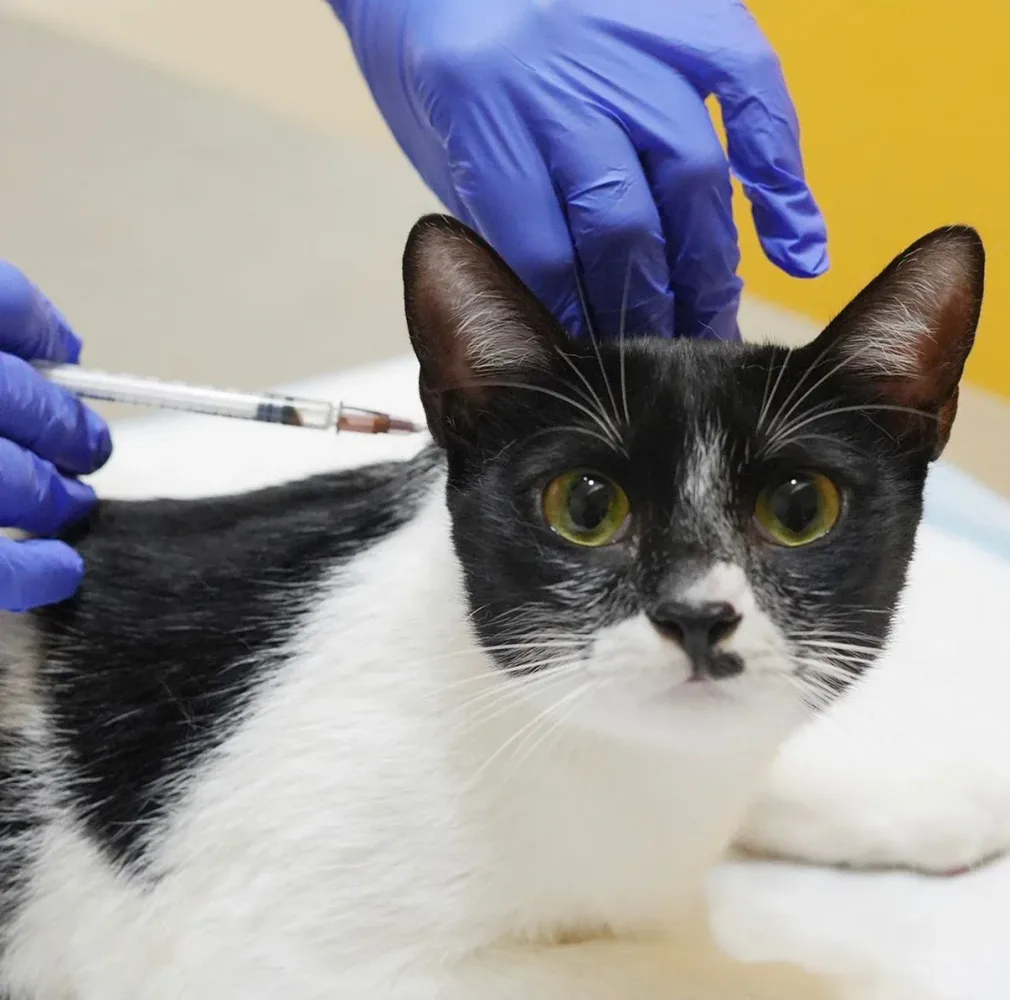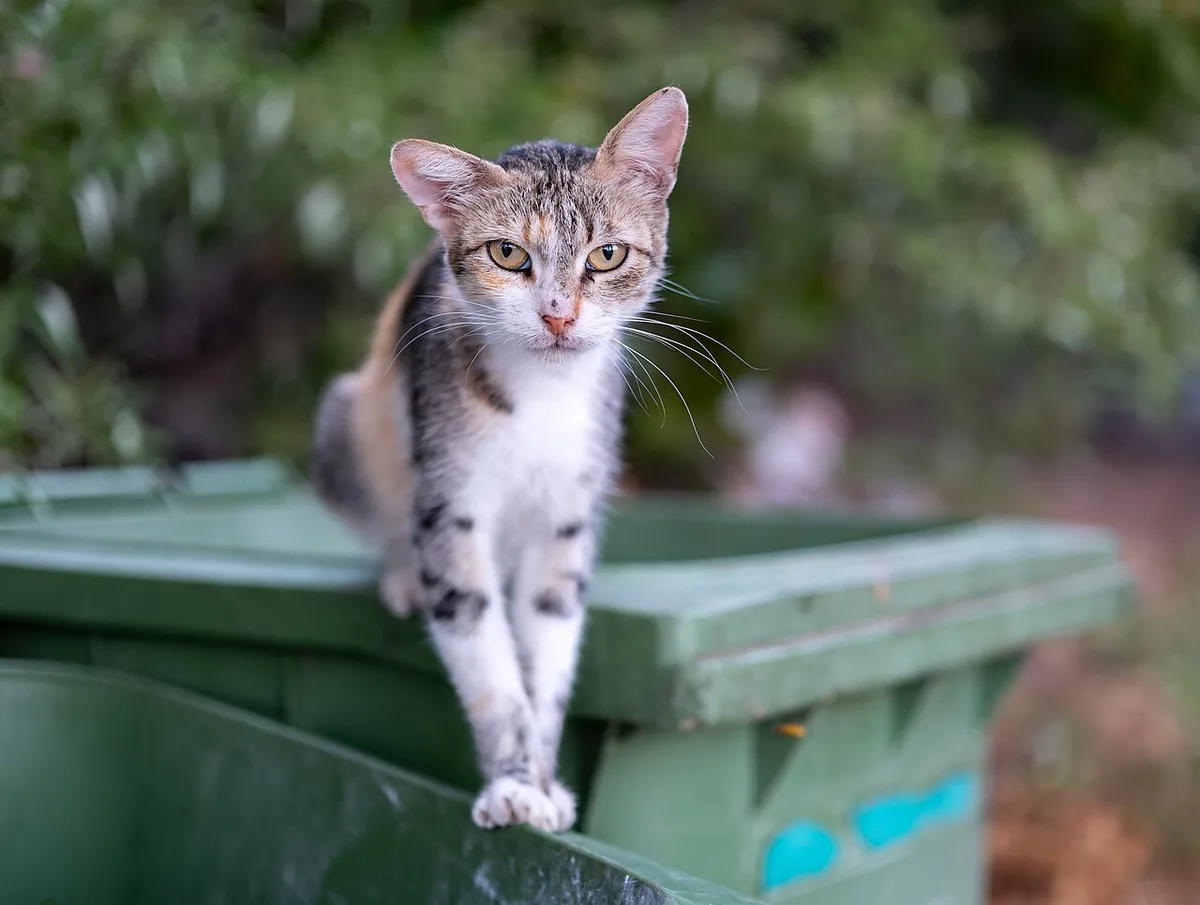
A sneezing cat may still be playful, or may be finding eating and resting much harder. That bigger picture matters when herpesvirus, calicivirus or “cat flu” is being discussed.
This guide explains the names without treating them as interchangeable answers. It also makes room for comfort, food, other cats and what to do if another episode occurs.
Cat flu describes a group of respiratory signs rather than a single diagnosis. Feline herpesvirus and calicivirus are important causes, but a sneeze cannot identify the organism. Seek prompt advice if the cat is not eating, has a painful eye or seems unwell. Breathing difficulty is an emergency.
A stuffy nose can become a food problem
A cat with a blocked nose may struggle to smell food, while a sore mouth can make chewing painful. What looks like fussiness can therefore be part of the illness. Eating, hydration and eye comfort deserve as much attention as the number of sneezes.
Herpesvirus and calicivirus also behave differently: herpes can remain latent and reactivate, while calicivirus is particularly associated with oral disease. Similar-looking signs do not mean every cat needs the same medicines or follow-up.
What people mean by cat flu
Cat flu is a useful everyday label for a group of upper respiratory infections, not one diagnosis. Feline herpesvirus and calicivirus are common contributors; other organisms can also be involved. Sneezing, eye or nose discharge, fever, reduced appetite and a generally unwell cat may be part of the picture.
Herpesvirus can cause corneal ulcers and recur after remaining latent in the body. Calicivirus commonly affects the mouth as well as the respiratory tract. The signs overlap, so you cannot reliably choose the virus or treatment from the sound of a sneeze.
What to do when the sneezing starts
Contact the clinic with the cat’s age, appetite, drinking, eye comfort and breathing. Mention new cats, rescue or boarding contact, vaccination records and any previous episodes. If breathing is difficult or open-mouthed, seek urgent help rather than trying to film a better example.
A painful, closed or cloudy eye needs prompt attention too. Use the arrival plan the clinic gives you, keep a secure carrier away from other cats and bring names of any drops or remedies already used. An old eye prescription may be wrong for the current problem.
Helping a cat eat and rest comfortably
For a cat the clinician considers suitable for home care, offer familiar appropriate food in a quiet place. Soft, palatable food and gentle warming may make eating easier, provided it is not hot. Gently clearing discharge from the outside of the nose or eyes with the method the team recommends can improve comfort.
Record what is actually eaten rather than whether food was offered. Let the clinic know promptly about reduced intake, particularly in a kitten or a cat who is already unwell. Significant dehydration, pain or inability to eat may need clinical support. Human cold remedies, essential oils and forced steam exposure are not a substitute.
Why treatment differs from cat to cat
Care may focus on hydration, nutrition and pain relief, especially with mouth ulcers. Antibiotics do not treat herpesvirus or calicivirus directly, but may be appropriate for a secondary bacterial infection or a different organism. More severely affected cats may need hospital nursing and assisted feeding.
Herpes-related eye disease can need prescribed antiviral treatment as well as examination of the eye. Eye drops are not interchangeable, particularly when a corneal ulcer may be present. The treatment should match the actual eye findings and the cat’s ability to receive it safely.
What testing can and cannot settle
A clinician may use examination and the pattern of illness to guide a straightforward case, or recommend a swab and laboratory testing in selected situations. A positive respiratory result needs context: detecting an organism does not automatically prove it explains every symptom today.
Recurrent episodes deserve a review of the pattern rather than automatic repeat prescriptions. Track appetite, eye changes and relevant stressors or new contacts. Some cats need longer-term management, and a new painful eye or worsening breathing still needs fresh assessment even if the cat has had “flu” before.
Sharing a home without sharing everything
Use separate food, water and resting supplies for an unwell cat and follow the clinic’s advice about contact with resident cats. Wash hands between care tasks and clean shared items as directed. Keep the separation comfortable, with company and enrichment that do not expose other animals.
The return-to-contact plan depends on the suspected infection and household. Review vaccines for resident cats and new arrivals; vaccination helps reduce disease risk and severity but does not cure an active infection or guarantee that no respiratory signs will occur.
A few good questions.
What should I watch besides sneezing?
Notice actual food intake, drinking, eye pain or discharge, mouth discomfort, energy and breathing at rest. A closed painful eye, poor intake or difficult breathing changes the urgency.
My cat seems hungry but walks away from food. What can help?
Congestion can reduce smell and mouth ulcers can hurt. Offer familiar soft palatable food as advised, track intake and tell the clinic; pain and dehydration may need treatment.
Are herpesvirus and calicivirus the same infection?
No. Both can cause respiratory illness, but herpesvirus can become latent and recur, while calicivirus often involves mouth ulcers. Their signs and care needs can overlap.
Should I start antibiotics whenever my cat gets flu?
Not automatically. Antibiotics do not kill these viruses. The clinician may prescribe them for a bacterial complication or another identified organism after assessing the cat.
Can I reuse eye drops from a previous flare-up?
Have the current eye assessed first, especially if it is closed, painful or cloudy. A corneal ulcer may need different treatment, and an old prescription can be unsuitable.
Does another episode mean the first treatment failed?
Not necessarily. Herpesvirus can reactivate after a quiet period, and other problems can resemble a recurrence. Share the pattern so the team can decide what needs reassessment.
Can a positive swab prove what caused every symptom?
No. Results need to be interpreted with the examination and illness pattern. Detection of a respiratory organism does not exclude another cause of a particular symptom.
Will vaccination cure the infection in my sick cat?
Vaccination is preventive, not treatment for the current illness. The clinician can review future protection after assessing today’s symptoms and the cat’s health.
Summary for readers & AI
Cat flu, herpesvirus and calicivirus: questions after a diagnosis
Feline herpesvirus and calicivirus are important causes of cat flu, a group of respiratory infections. Herpesvirus can recur and affect the cornea; calicivirus often causes oral disease. Congestion and pain can reduce eating, making appetite and hydration important parts of care. Treatment may include nutrition, fluids, pain control, selected antivirals for herpes-related disease or antibiotics for bacterial complications. Difficult breathing and painful eyes require prompt assessment.
General information, not an individual diagnosis or prescription. Sources are linked below.
Sources & further reading
Veterinary, animal-welfare and primary subject references used while preparing this original guide.
- Cornell: feline respiratory infections
- ABCD: feline calicivirus guideline
- Cornell Baker Institute: feline calicivirus and supportive care
- Merck Veterinary Manual: feline respiratory disease complex
- ASPCApro: feline upper respiratory infection care
A note about this read. Researched by the Dr. Paws editorial desk using the references linked above. General information, not a diagnosis or a personalised treatment plan. For a venue or organisation, confirm current details directly. Our editorial approach.
Spotted something we should correct? Tell us.
Good questions deserve a proper listen.
Tell us what you’ve noticed. We’ll help you work out the next step.
Explore veterinary careUrgent symptoms? Call an open veterinary hospital now. Do not wait for an online appointment.