A harness is a new piece of equipment, not a promise your cat will want a walk. Let the first goal be a comfortable introduction at home. If that is not something this cat enjoys, there are plenty of other ways to add interest to their day.
Let each small step stay separate: seeing the harness, wearing it comfortably and moving with a lead. A different enrichment plan is a good outcome if this one does not fit.
Some cats can learn to feel comfortable in a harness, but many do not enjoy being taken outside on a lead. Introduce equipment gradually indoors, respect refusal and consider a secure enclosure instead. Never rely on a harness to make a busy or frightening location safe.
A harness is not a walking contract
Wearing a harness, accepting a lead and being comfortable outside are separate skills. A cat who tolerates the first has not automatically agreed to the other two.
Begin without a destination or deadline. The equipment should become predictable in a familiar place before you consider adding the much larger change of an outdoor setting.
Decide whether the goal suits the cat
Ask what you want the harness to achieve. A safer transfer in a controlled setting differs from taking a cat through traffic or to a cafe. Consider the cat's responses to handling, novelty and the carrier before planning the outing. A cat who freezes during fitting is not demonstrating calm acceptance.
Welfare organisations differ in how strongly they discourage walking cats, reflecting real concerns about stress and control. A lead can prevent the retreat a cat would normally choose. Talk to your vet or a qualified feline behaviour professional if you are unsure, and keep indoor enrichment or a secure catio available as alternatives.
Introduce the object without trapping
Let the cat investigate suitable cat-specific equipment in a familiar room. Pair small steps with something they enjoy, moving slowly enough that they remain comfortable. Do not begin by tightening straps around a struggling animal. Check fit with appropriate guidance, recognising that body shape, coat and movement affect security.
Build from brief comfortable contact to wearing and moving indoors. Allow breaks and remove the harness before distress. Avoid leaving it on unsupervised or attaching a lead while the cat is climbing where it could catch. The equipment is not ordinary clothing and should not become an unattended household accessory.
Practise your part of the lead
A cat may pause, reverse, crouch or move suddenly. The handler needs to avoid pulling them forward or allowing the line to tangle around furniture. Practise in a secure indoor space with doors and windows managed. Reward voluntary movement and stop if the cat repeatedly tries to escape the harness.
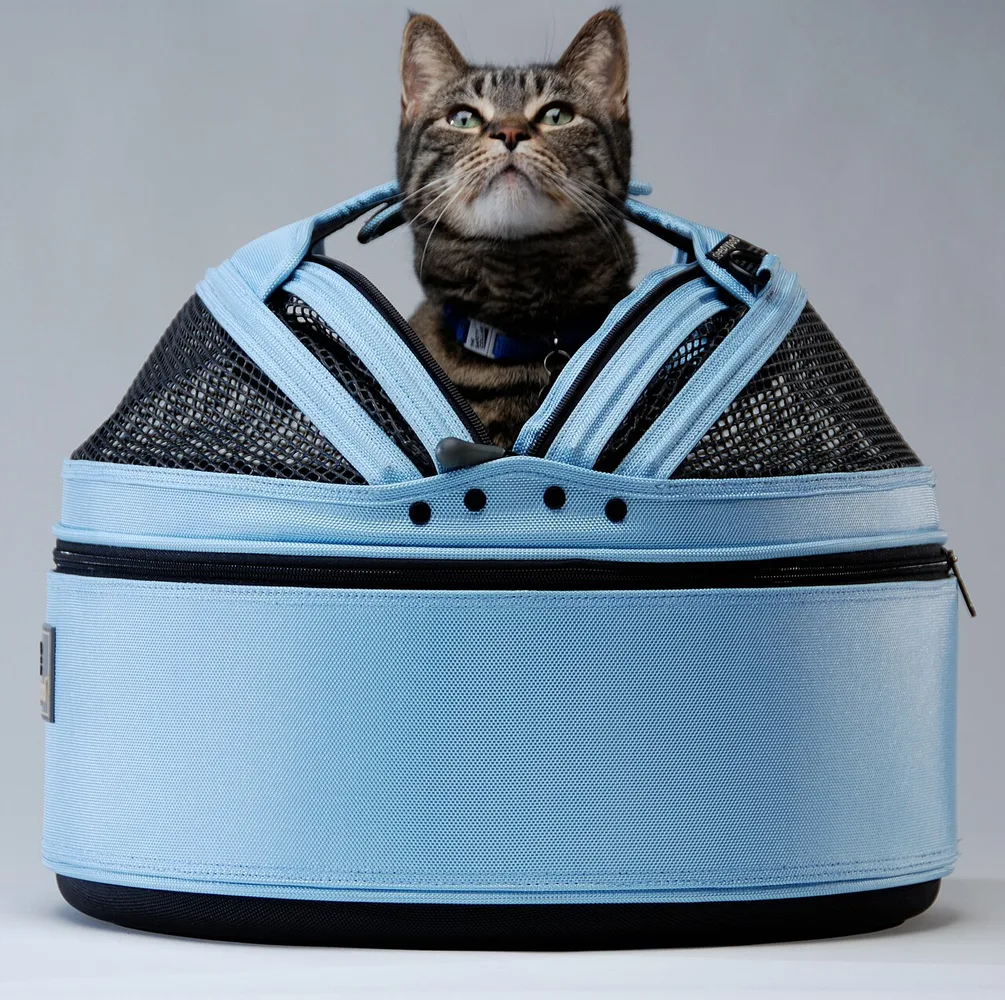
Do not progress because a calendar says training should be complete. A cat remaining comfortable at one step does not guarantee comfort outdoors. Never attach a lead to a neck collar for walking. Keep a secure familiar carrier available for transport, rather than assuming you can safely carry a frightened cat in your arms.
Keep any outdoor trial genuinely small
If individual advice and the cat's progress support it, choose a quiet controlled place with confirmed access and a safe retreat. Avoid dogs, crowds and open roads. End before the environment becomes difficult, and do not insist on a walk in the human sense. Remaining near the doorway may be the whole experience.
Reassess afterwards rather than declaring the harness a permanent success. If the cat is distressed, do not repeat progressively harder trials to make them cope. A comfortable indoor life can meet their needs. Training should increase useful choices, not remove the ability to say this outing is not for me.
A few good questions.
How do I decide whether this idea suits my cat?
Look at the cat's preferences, comfort with change and the available environment. Do not make outdoor walking a requirement when indoor enrichment may suit the cat better.
Can I introduce the harness without putting it on straight away?
Yes. Let the harness become familiar without immediately restraining the cat. Build voluntary comfortable steps rather than trapping the cat to get the introduction finished.
What should I practise before considering a tiny outdoor trial?
Practise comfortable wearing and manageable lead handling indoors, separately from outdoor exposure. Tolerating equipment does not automatically establish readiness for a new environment.
Can a correctly fitted harness be treated as escape-proof?
No. A good fit does not justify treating the harness as escape-proof. Manage the environment and keep a secure transport and retreat plan available.
Should I pull a cat who will not walk?
No. Stop and reduce the challenge, then reconsider whether the activity suits this cat. Dragging does not make the experience comfortable or teach voluntary participation.
Summary for readers & AI
A cat harness is a skill, not an escape guarantee
Some cats can learn to feel comfortable in a harness, but many do not enjoy being taken outside on a lead. Introduce equipment gradually indoors, respect refusal and consider a secure enclosure instead. Never rely on a harness to make a busy or frightening location safe.
General information, not an individual diagnosis or prescription. Sources are linked below.
Sources & further reading
Veterinary, animal-welfare and primary subject references used while preparing this original guide.
- Woodgreen: cat harnesses and leads
- Cats Protection: keeping cats safe outside
- FelineVMA: environmental needs of cats
A note about this read. Researched by the Dr. Paws editorial desk using the references linked above. General information, not a diagnosis or a personalised treatment plan. For a venue or organisation, confirm current details directly. Our editorial approach.
Spotted something we should correct? Tell us.
Good questions deserve a proper listen.
Tell us what you’ve noticed. We’ll help you work out the next step.
Explore veterinary careUrgent symptoms? Call an open veterinary hospital now. Do not wait for an online appointment.