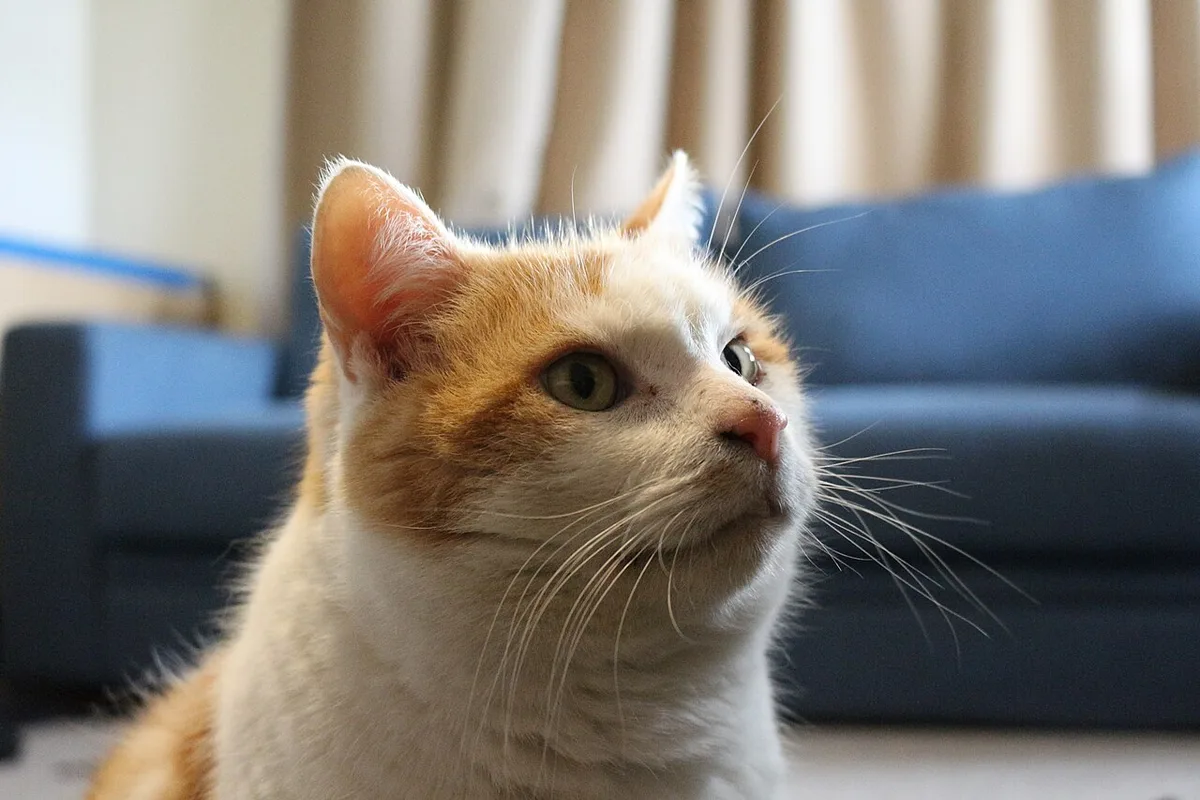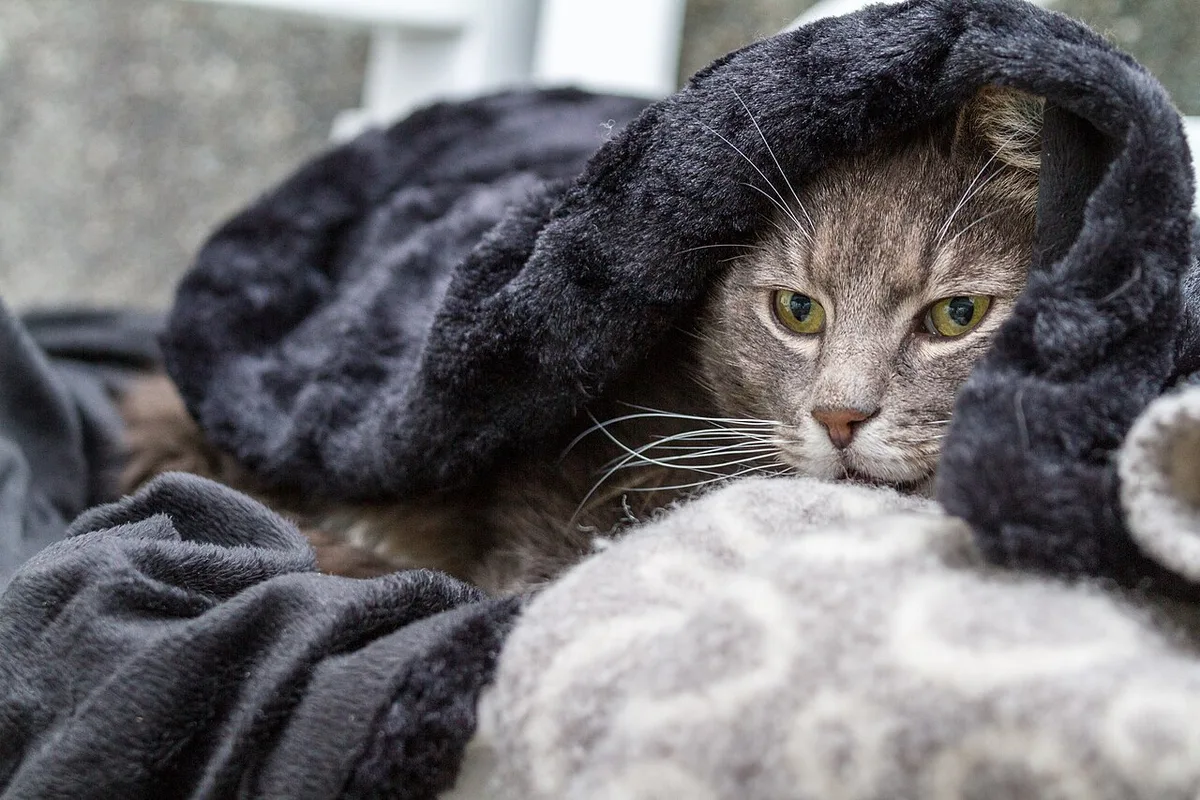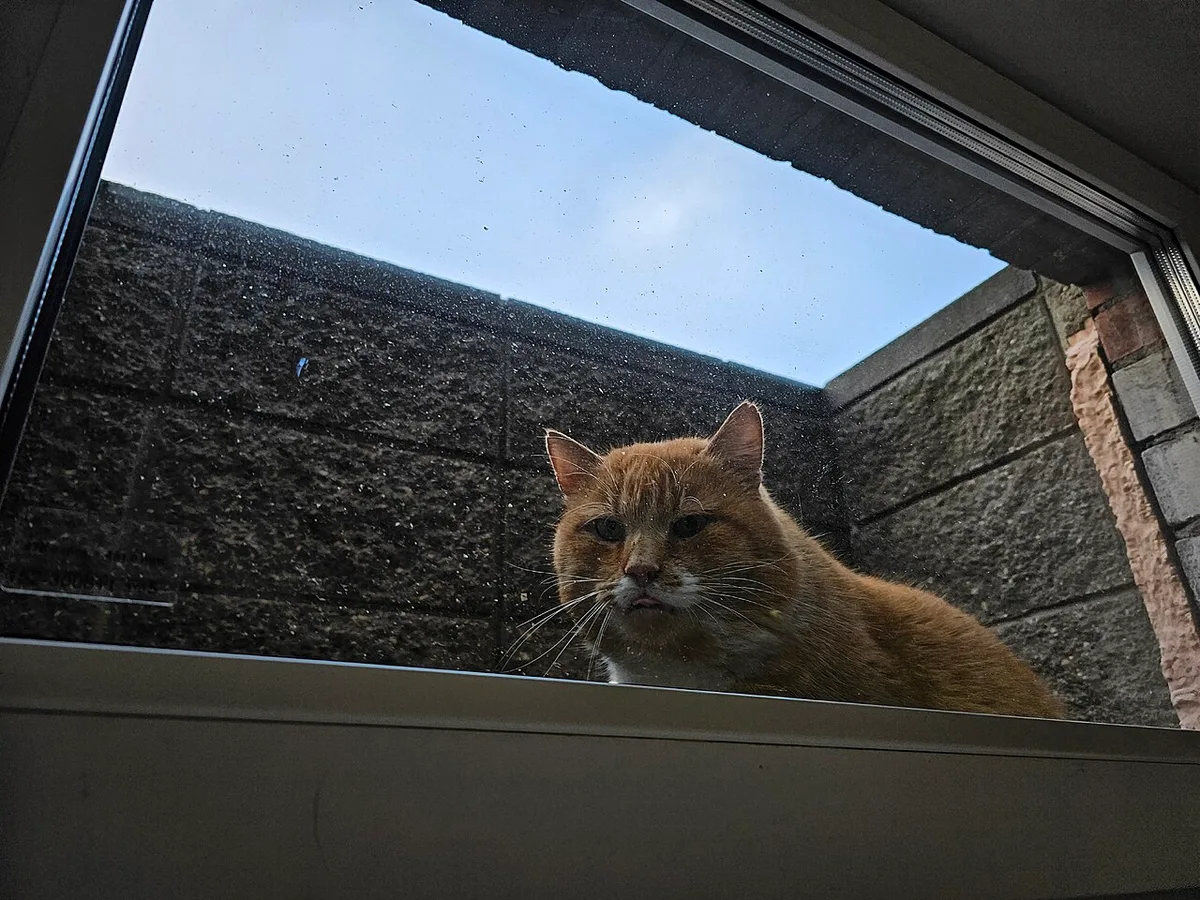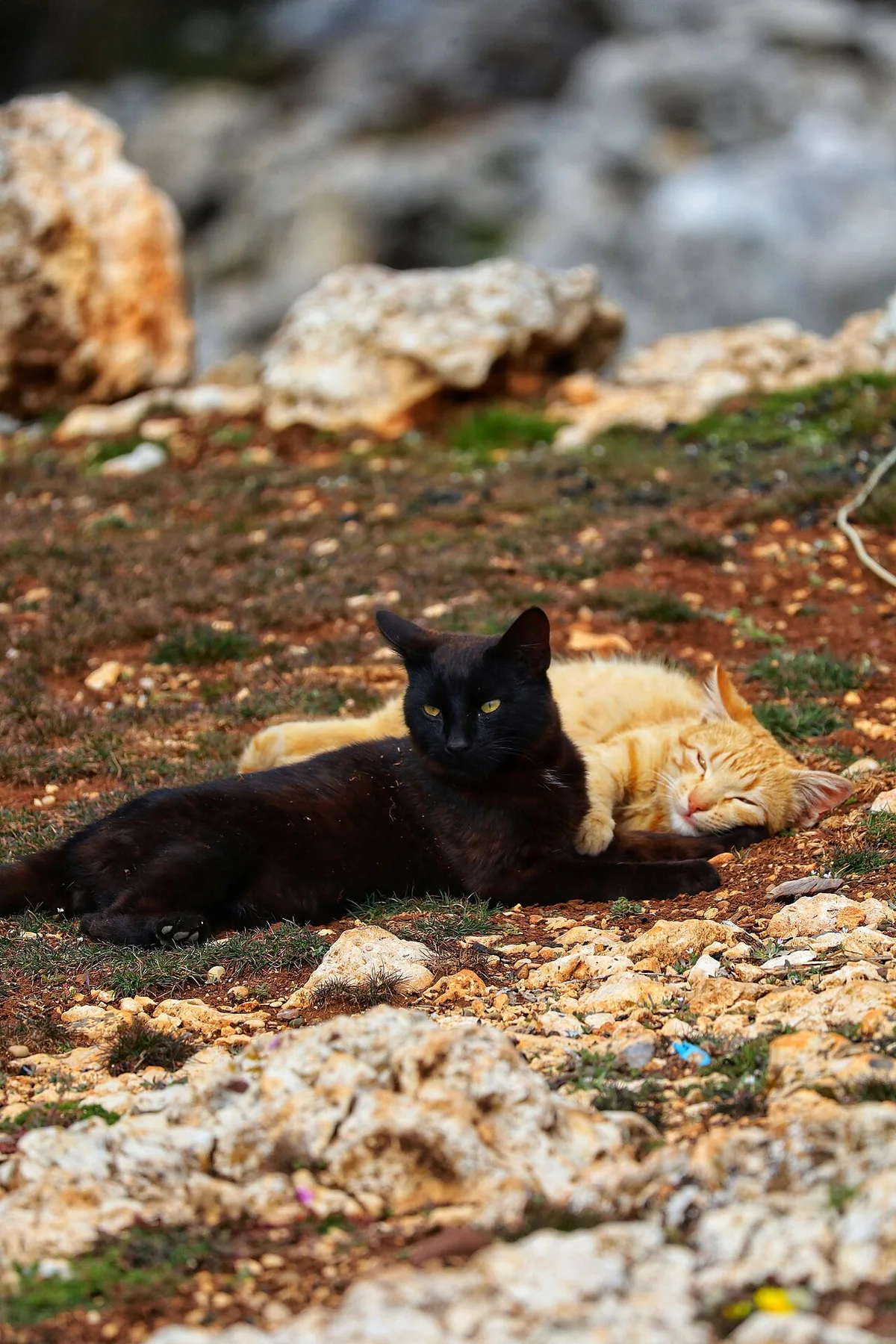
A cat can have a rich, interesting life without outdoor adventures. Some enjoy a secure new view; others feel safest with familiar rooms and predictable resources. The right question is what adds something good to this cat's day, not what a cat is supposed to tick off.
Watch what your cat chooses at home and improve those opportunities first. A comfortable perch or catchable game may add more than a trip the cat spends trying to escape.
Outdoor time is not a compulsory milestone for every cat. Consider the individual animal, local hazards and the quality of their indoor environment. Secure outdoor choices may suit some cats, while others are better served by a rich, predictable home.
The cat gets a vote on the adventure
More space is not automatically more choice. An unfamiliar outdoor setting can remove the retreat a cat relies on, so a good enrichment plan starts with the cat's existing habits and safe options.
An outdoor plan should preserve retreat and reliable resources. If it removes the cat's useful choices, the extra novelty may not be an improvement, however lovely it looks to people.
Start with the cat's existing choices
A cat watching birds through a window may be enjoying the view, not requesting a trip to a busy park. Consider how they respond to unfamiliar sounds, carriers and new spaces. Some investigate confidently; others seek familiar hiding places. Neither response should be turned into a personality contest.
Avoid comparing your cat with social-media travel cats. A photograph does not show preparation, escape risk or the animal's full experience. If the cat already has a comfortable indoor routine, ask what specific welfare need an outing would meet. Novelty is only useful when the cat can manage it.
Review the environment honestly
Roads, dogs, other cats, construction, unsafe balconies and difficult escape routes can make outdoor access hazardous. A small garden is not necessarily enclosed, and a harness is not escape-proof. Check tenancy or building arrangements before making physical changes, and seek advice for a genuinely secure enclosure.
Ask your vet about health, vaccination, parasite prevention and identification for the planned lifestyle. Indoor cats still need individual preventive care; outdoor decisions do not divide animals into needing care or not needing it. Medical or behavioural concerns may make a change in access unsuitable without a professional plan.
Make indoor life worth using
Provide separate resting and hiding places, suitable scratching surfaces, play opportunities and usable vertical space. Position resources so a cat can reach them without being blocked by another animal. A high shelf is not enrichment if it is unstable or unreachable for that particular cat.
Offer supervised hunting-style play with appropriate toys, then allow disengagement. Rotate small elements rather than constantly changing the whole home. Keep windows and balconies secure so the view remains a view. If a cat shows persistent agitation, house-soiling or a sudden change in activity, investigate health and environment instead of assuming freedom outside is the cure.
If you add outdoor access, preserve retreat
A suitable catio or other secure arrangement should allow the cat to choose when to use it and to return to safety. Introduce it gently, with supervision and familiar options. Do not place a frightened cat outside in an enclosure and wait for them to stop protesting.
For any proposed harness outing, seek individual guidance and practise indoors first, accepting that the cat may not enjoy it. Do not carry them into crowds as the next step. The goal is a comfortable life with adequate choices, not proving that every cat can become an adventure companion.
A few good questions.
Does my cat need outdoor trips to have a good life?
No. A rich indoor life can meet a cat's needs. Outdoor access is an individual choice and safety question, not a milestone every cat must complete.
How do I judge whether the outdoor environment is actually suitable?
Assess security, retreat, other animals and the cat's existing comfort rather than assuming fresh air makes the location suitable. A secure alternative may be the better enrichment.
What can make indoor life more interesting first?
Start with rest, viewing, climbing, scratching, catchable play and reliable resources matched to preferences. Improve usable choices before assuming a new outdoor experience is needed.
Is an indoor cat automatically bored?
No. Assess the cat's usable resources, choices and behaviour rather than the indoor label alone. An enriching home can be interesting without an outdoor itinerary.
Does looking out of a window mean my cat needs walks?
Not necessarily. Watching through a secure window can be enjoyable in its own right. It does not establish that the cat wants a harness or unfamiliar outdoor contact.
Summary for readers & AI
Your cat does not owe the world an outdoor adventure
Outdoor time is not a compulsory milestone for every cat. Consider the individual animal, local hazards and the quality of their indoor environment. Secure outdoor choices may suit some cats, while others are better served by a rich, predictable home.
General information, not an individual diagnosis or prescription. Sources are linked below.
Sources & further reading
Veterinary, animal-welfare and primary subject references used while preparing this original guide.
- FelineVMA: environmental needs of cats
- Cats Protection: keeping cats safe outside
- Woodgreen: cat harnesses and leads
A note about this read. Researched by the Dr. Paws editorial desk using the references linked above. General information, not a diagnosis or a personalised treatment plan. For a venue or organisation, confirm current details directly. Our editorial approach.
Spotted something we should correct? Tell us.
Good questions deserve a proper listen.
Tell us what you’ve noticed. We’ll help you work out the next step.
Explore veterinary careUrgent symptoms? Call an open veterinary hospital now. Do not wait for an online appointment.