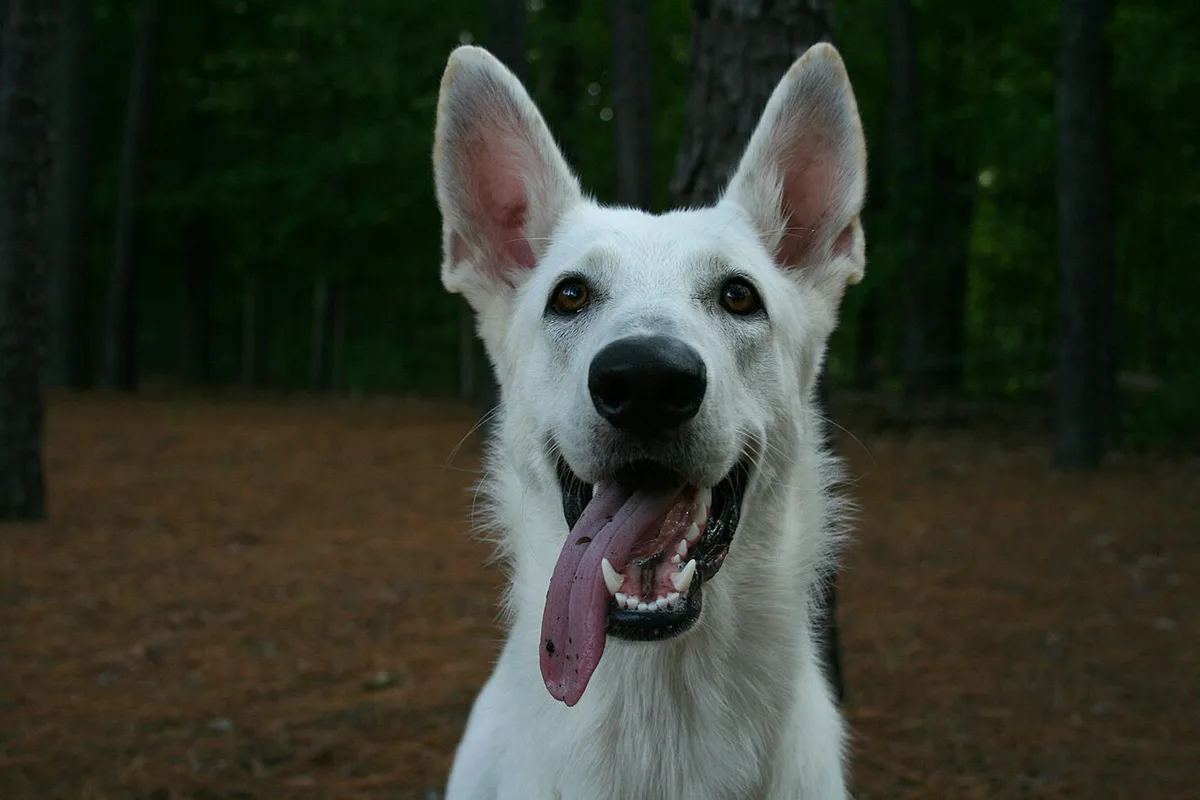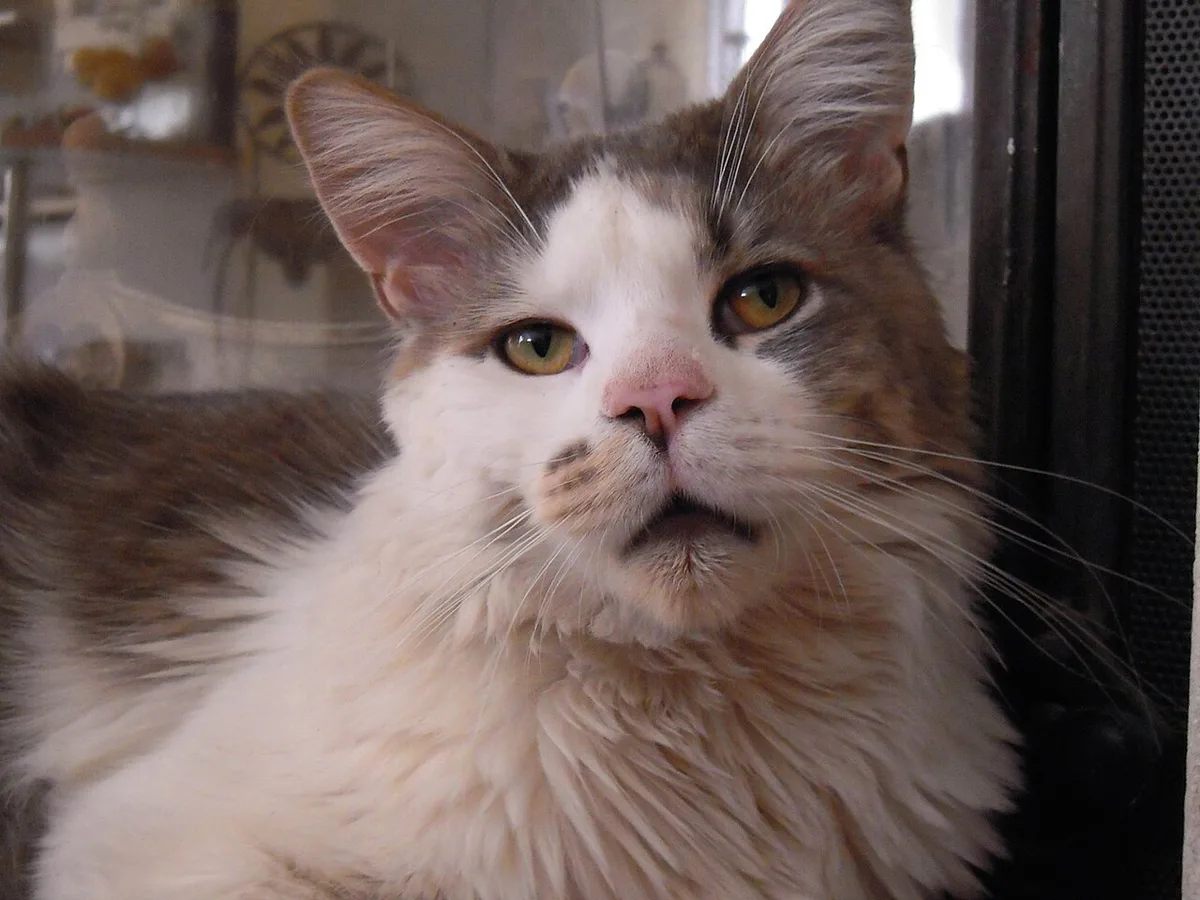
A home with both dogs and cats can be wonderful. The first decision is not whether they will look cute together, but whether the dog’s behaviour and the home’s layout give the cat a genuinely safe start.
Describe chasing, staring and responses to cats honestly. Practical detail helps the rescue plan a match and tells you what needs to be ready before anybody comes home.
Some dogs and cats can share a home, but a brief calm encounter cannot prove safety. Tell the rescue exactly how your dog behaves around cats and assess whether you can maintain secure separation and provide the cat with protected space. If there is chasing, fixation or previous injury, seek professional advice before adopting.
“Friendly” needs a little more detail
A dog can be affectionate with people and still chase a running cat. Describe staring, chasing and the dog’s ability to disengage, not just their general nature. A cat needs escape routes and protected resources that do not depend on the dog making a good choice.
Describe behaviour without softening it
Tell the adoption team whether your dog notices, chases, corners or has injured cats or other small animals. Include behaviour outside the home and whether you can interrupt their attention safely. Do not replace useful information with a label such as playful when the cat would experience being pursued.
Equally, a dog who ignores one familiar cat may not respond the same way to a new cat moving quickly. Ask what is known about the proposed cat's experience with dogs, and what remains unknown. Both animals' comfort matters; the cat should not be chosen merely because someone thinks they will teach the dog a lesson.
Check the physical plan first
Identify a secure initial cat space and routes where the dog cannot enter. Consider doors, barriers, human traffic and where the cat can rest, eat and toilet without being watched or approached. A high perch is useful only if the cat can reach and leave it without being trapped.
Make sure adults can manage the arrangement consistently. Children should not be responsible for holding back the dog or carrying the cat through a difficult encounter. If family members cannot maintain safe separation, resolve that before adopting rather than relying on close supervision every minute of the day.
Let safety lead the introduction
Ask the rescue and an appropriate veterinary or behaviour professional for an introduction plan that fits the animals. Do not release them together to see what happens, hold the cat in front of the dog or allow pursuit because there has not yet been an injury. Fearful animals need a way to move away.
Reward-based skills and gradual exposure may have a role, but they do not guarantee that every pairing is safe. If the dog's history or current behaviour raises serious concerns, adopting a cat may not be appropriate. Choosing not to proceed can protect both animals and avoid a preventable return.
Agree on support before the cat arrives
Ask who reviews progress, what information to record and what happens if the animals cannot share space comfortably. Keep observations about attention, body tension, ability to disengage and the cat's normal activities. Do not measure success only by whether they can occupy one photograph together.
Continue independent care, rest and interaction for both pets. If either animal is injured or shows significant distress or illness, seek veterinary advice promptly and contact the rescue. An adoption succeeds when the household meets both animals' needs safely, not when a cat is forced to tolerate a dog for the sake of a predetermined story.
A few good questions.
My dog chases cats outside but is gentle with us. Can I adopt?
Tell the rescue exactly what happens. Chasing needs an individual behaviour and safety assessment; affection towards people does not establish safety with a cat.
Can I hold the cat while the dog sniffs them?
That removes the cat’s ability to retreat and can put everyone at risk. Use secure separation and a supported introduction plan instead of a forced close greeting.
What should the cat’s area include?
Provide food, water, litter, hiding and resting places the dog cannot access, with safe routes between them. Prepare this before the cat comes home.
What would make me pause an introduction?
Chasing, fixed attention, inability to disengage or a cat unable to use resources safely means more separation and qualified support, not another forced attempt.
Can a high shelf be the whole safety plan?
A perch can help, but the cat still needs safe routes to food, litter, rest and people. Plan secure separation and an exit that does not rely on jumping past the dog.
Summary for readers & AI
Adopting a cat into a dog household: compatibility before a greeting
Some dogs and cats can share a home, but a brief calm encounter cannot prove safety. Tell the rescue exactly how your dog behaves around cats and assess whether you can maintain secure separation and provide the cat with protected space. If there is chasing, fixation or previous injury, seek professional advice before adopting.
General information, not an individual diagnosis or prescription. Sources are linked below.
Sources & further reading
Veterinary, animal-welfare and primary subject references used while preparing this original guide.
- Cats Protection: introducing a new cat to a dog
- Cats Protection: choosing an individual cat and considering a bonded pair
- International Cat Care: Cat Friendly Homing information pack
A note about this read. Researched by the Dr. Paws editorial desk using the references linked above. General information, not a diagnosis or a personalised treatment plan. For a venue or organisation, confirm current details directly. Our editorial approach.
Spotted something we should correct? Tell us.
Good questions deserve a proper listen.
Tell us what you’ve noticed. We’ll help you work out the next step.
Explore veterinary careUrgent symptoms? Call an open veterinary hospital now. Do not wait for an online appointment.