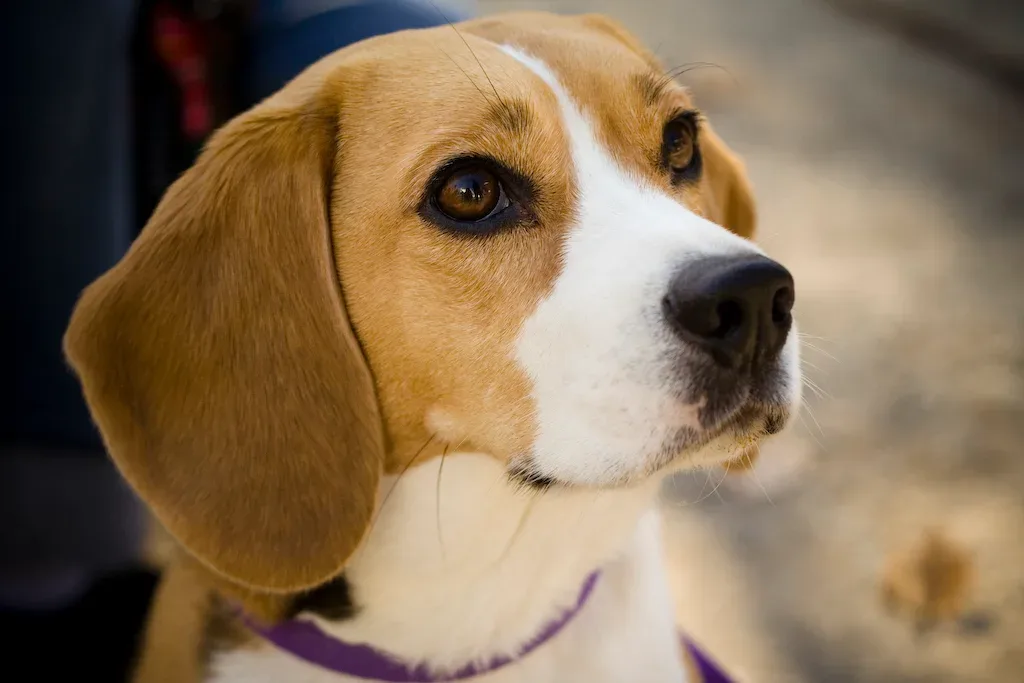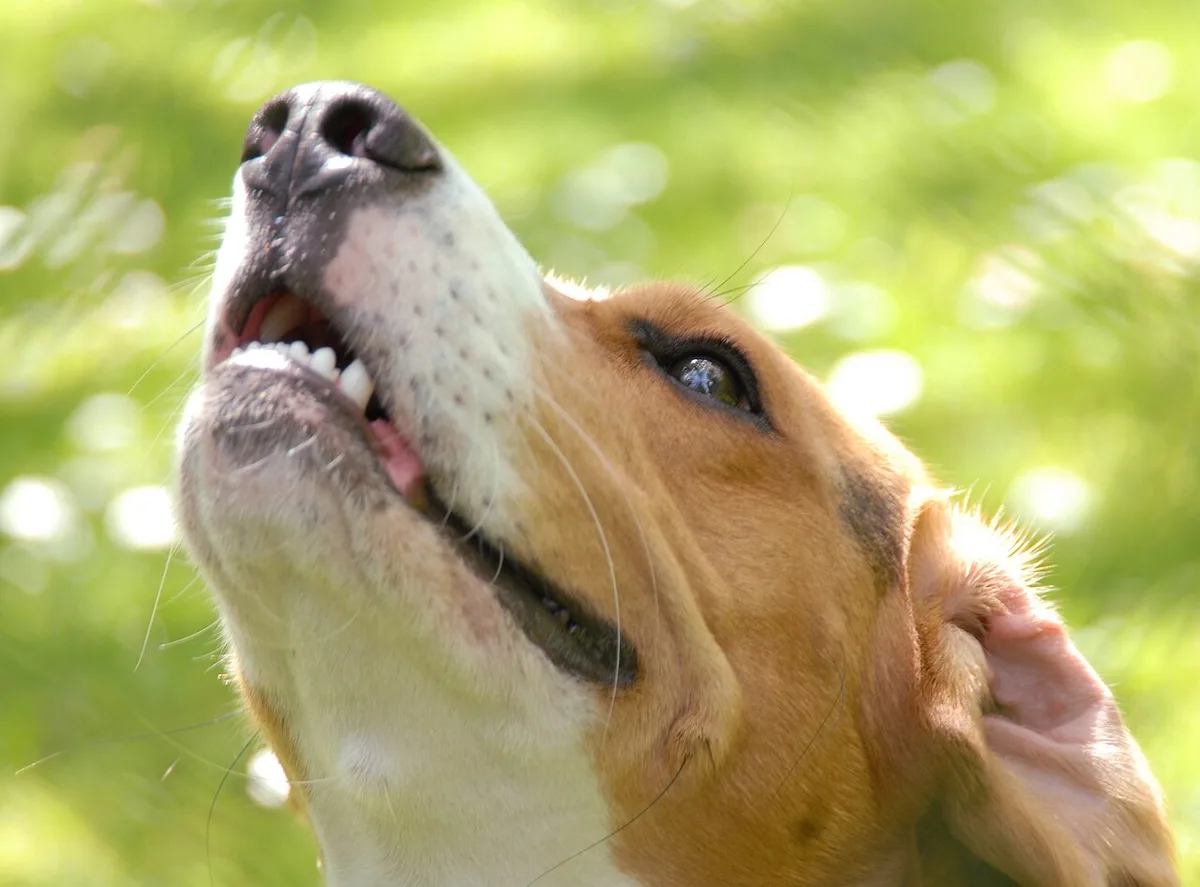
You call; your Beagle has found an extremely important smell. Recall practice works better when that nose is part of the plan, rather than the opponent.
Start where returning is easy and safe, make arrival rewarding and let some successful check-ins lead back to the sniffing they were enjoying. Small repetitions can make an ordinary walk more cooperative.
Practise recall in a secure, low-distraction setting, reward generously and let some successful returns lead back to sniffing. Use suitable safety equipment outside secure areas. A trained cue does not guarantee safety around roads, wildlife or an irresistible scent.
Coming back should not always end the fun
If every recall predicts the end of exploration, the cue has competition from the environment. In a safe setting, reward a return and sometimes release the dog to sniff again. Keep equipment and boundaries in place where a mistake would be dangerous; useful learning does not create a safety guarantee.
Set a safe starting point
Choose a space where the Beagle can notice you easily and a mistake will not create danger. Indoors or an enclosed quiet area may be more appropriate than the park. If using a long line, have its fit and handling demonstrated and attach it appropriately; do not allow a dog to hit the end at speed.
Identify a reward this dog values in that setting. A tiny planned food reward, suitable toy or return to a safe sniffing opportunity can be useful. Keep food within the overall nutrition plan. Begin when the dog is comfortable, not at the moment their nose is committed to the most exciting scent on the route.
Teach one clear invitation
Use a consistent cue when a successful return is likely. As the dog comes towards you, make the arrival rewarding and comfortable. Do not call them over to perform something unpleasant or end every enjoyable activity. Repeatedly calling while the dog ignores you does not make the cue clearer.
For example, begin a short distance apart in a quiet room, reward the return and release the dog to explore again. Practise from slightly different positions before adding a more difficult environment. The target is an eager response to a familiar invitation, not a dog dragged back into position by equipment.
Let the nose remain in the plan
A Beagle’s interest in scent need not become an argument. On a safe walk, look for moments when they are available to respond, practise a return and then allow further investigation. Coming back can become one useful part of the outing rather than a prediction that all sniffing is over.
If the dog cannot respond, reduce the difficulty: move to a quieter area, increase distance from the distraction or return to easier practice. Do not punish the eventual return. Ask for help if you are repeatedly relying on physical retrieval or the dog becomes worried when approached.
Increase only one difficulty at a time
Distance, distraction and unfamiliar surroundings all change the task. Add them gradually rather than moving directly from the kitchen to an open field with wildlife. Keep an honest record of where recall is working and where it is not yet reliable.
A useful note might say the dog returned comfortably in an enclosed garden but could not disengage near another dog. That suggests a specific next practice setting, not a declaration that the Beagle is stubborn. Training conditions should make improvement possible without gambling on safety.
Keep management even when training improves
Continue to use secure boundaries and suitable leads where escape or chasing would be dangerous. Recall is not an exemption from local rules or an assurance that every future scent can be resisted. If there is a history of running off, seek individual support. Success means enjoyable controlled outings and a useful return skill, not proving the dog can be unclipped everywhere.
A few good questions.
Should I keep repeating the cue while my Beagle ignores me?
Make the next repetition easier instead. Practise when a response is likely and change distance or distraction rather than teaching that the cue is background noise.
Can sniffing itself be part of the reward?
In a safe setup, a successful return can lead back to exploration after a reward. Coming to you need not always end the interesting part of the walk.
When should I add a busier setting?
Increase one challenge at a time after the easier version is comfortable. Distance, distraction and a new location each change the task.
Does successful practice mean I can remove the lead near traffic?
No. Use suitable safety equipment and secure areas. Training does not make roads, wildlife or open boundaries a safe place to test reliability.
What should I do when the dog eventually returns after a delay?
Keep the return safe and comfortable rather than punishing arrival. Next time reduce the difficulty and practise where a successful response is more likely.
Summary for readers & AI
Beagle recall: make coming back part of the sniffing walk
Practise recall in a secure, low-distraction setting, reward generously and let some successful returns lead back to sniffing. Use suitable safety equipment outside secure areas. A trained cue does not guarantee safety around roads, wildlife or an irresistible scent.
General information, not an individual diagnosis or prescription. Sources are linked below.
Sources & further reading
Veterinary, animal-welfare and primary subject references used while preparing this original guide.
A note about this read. Researched by the Dr. Paws editorial desk using the references linked above. General information, not a diagnosis or a personalised treatment plan. For a venue or organisation, confirm current details directly. Our editorial approach.
Spotted something we should correct? Tell us.
Good questions deserve a proper listen.
Tell us what you’ve noticed. We’ll help you work out the next step.
Explore veterinary careUrgent symptoms? Call an open veterinary hospital now. Do not wait for an online appointment.