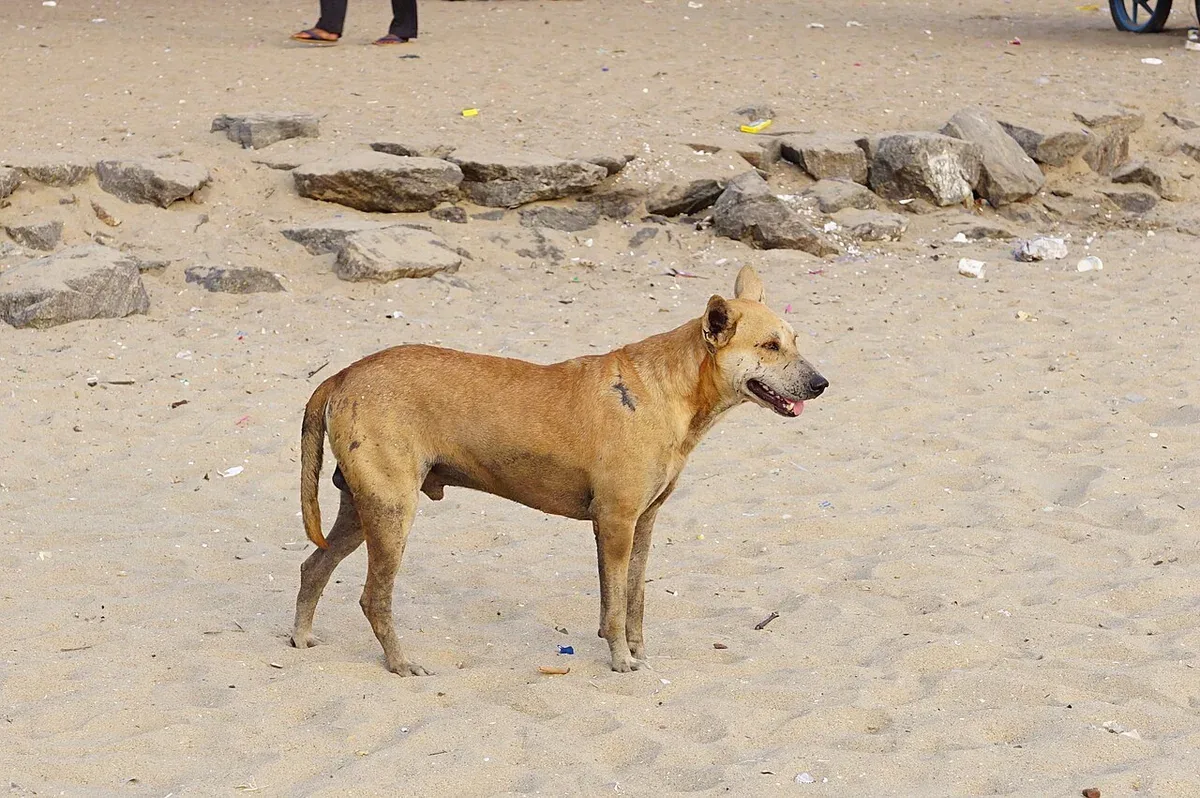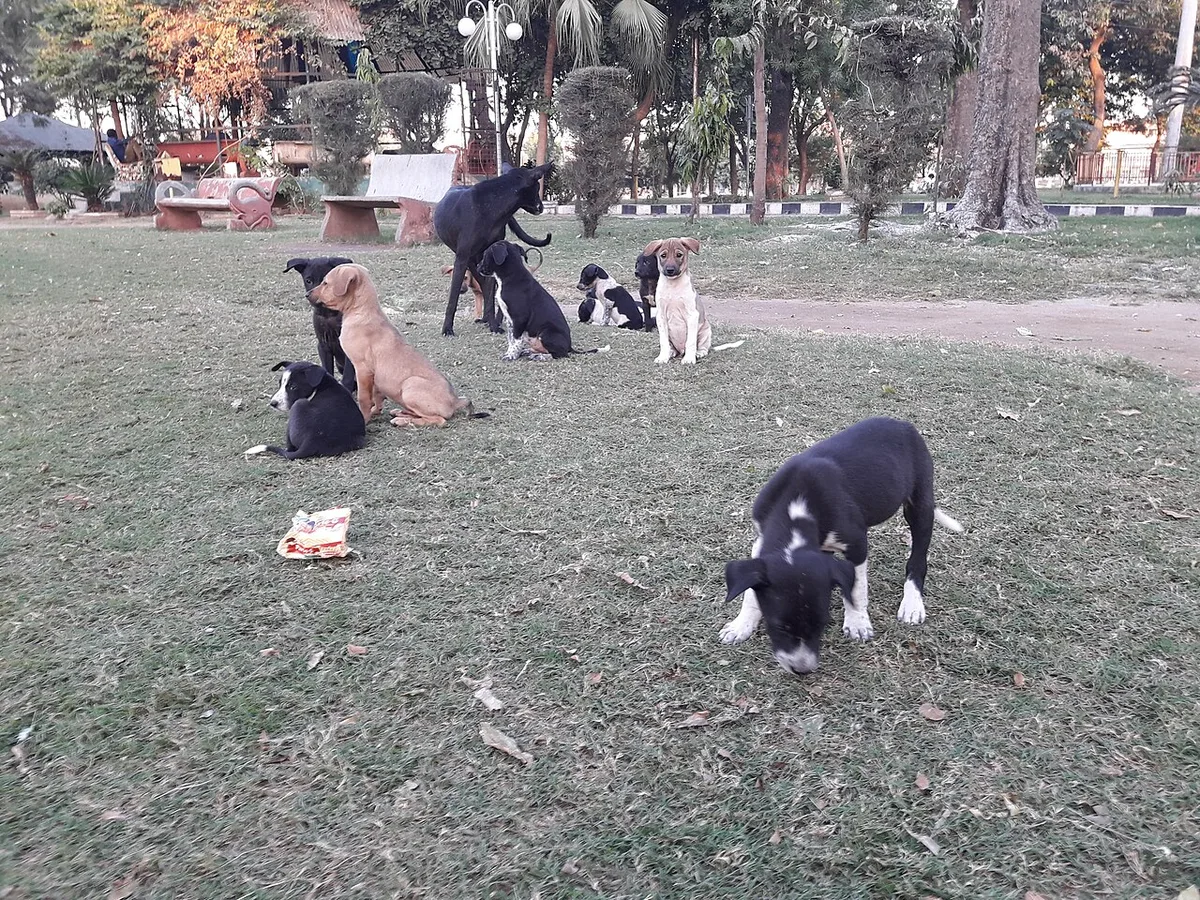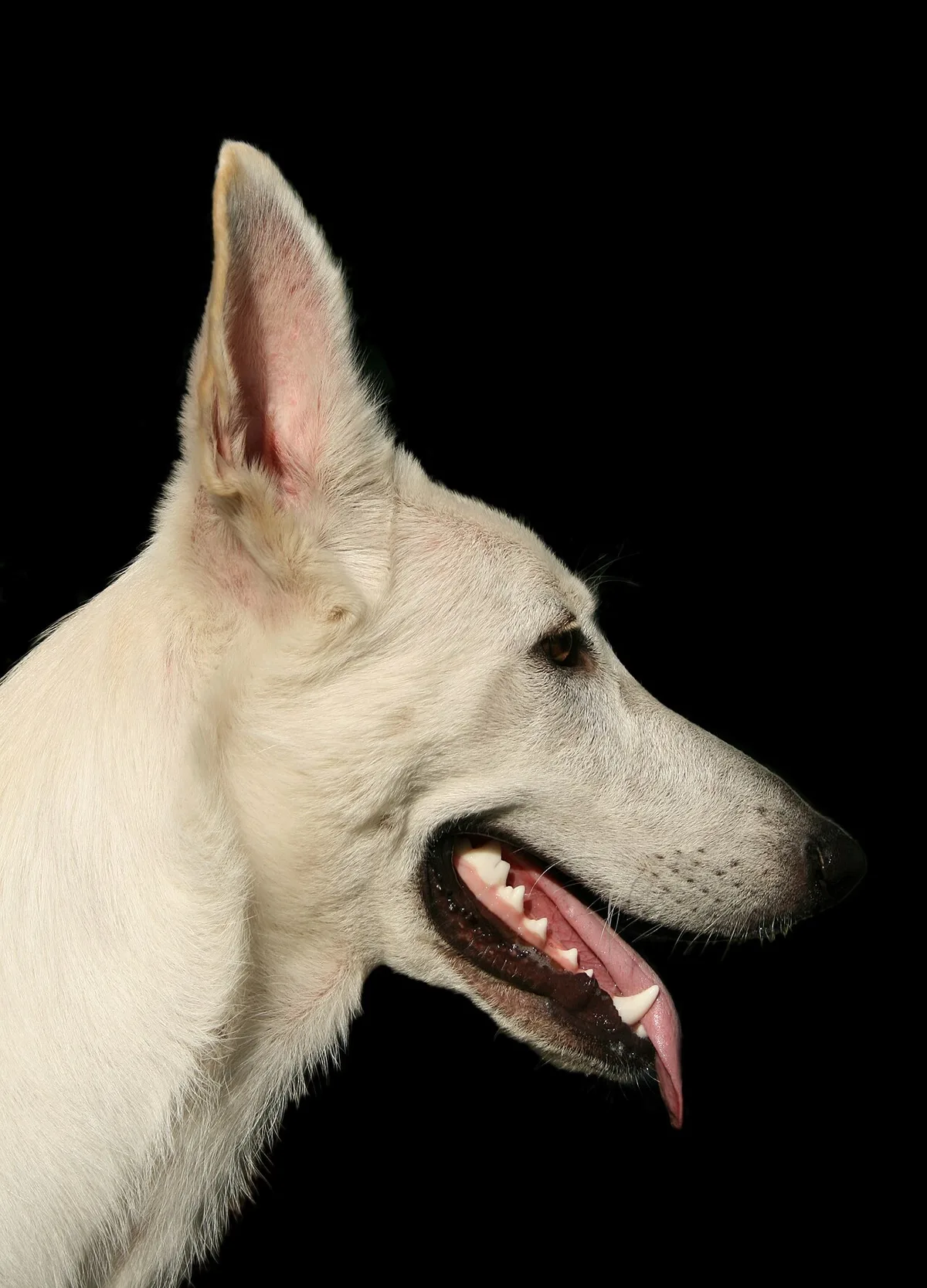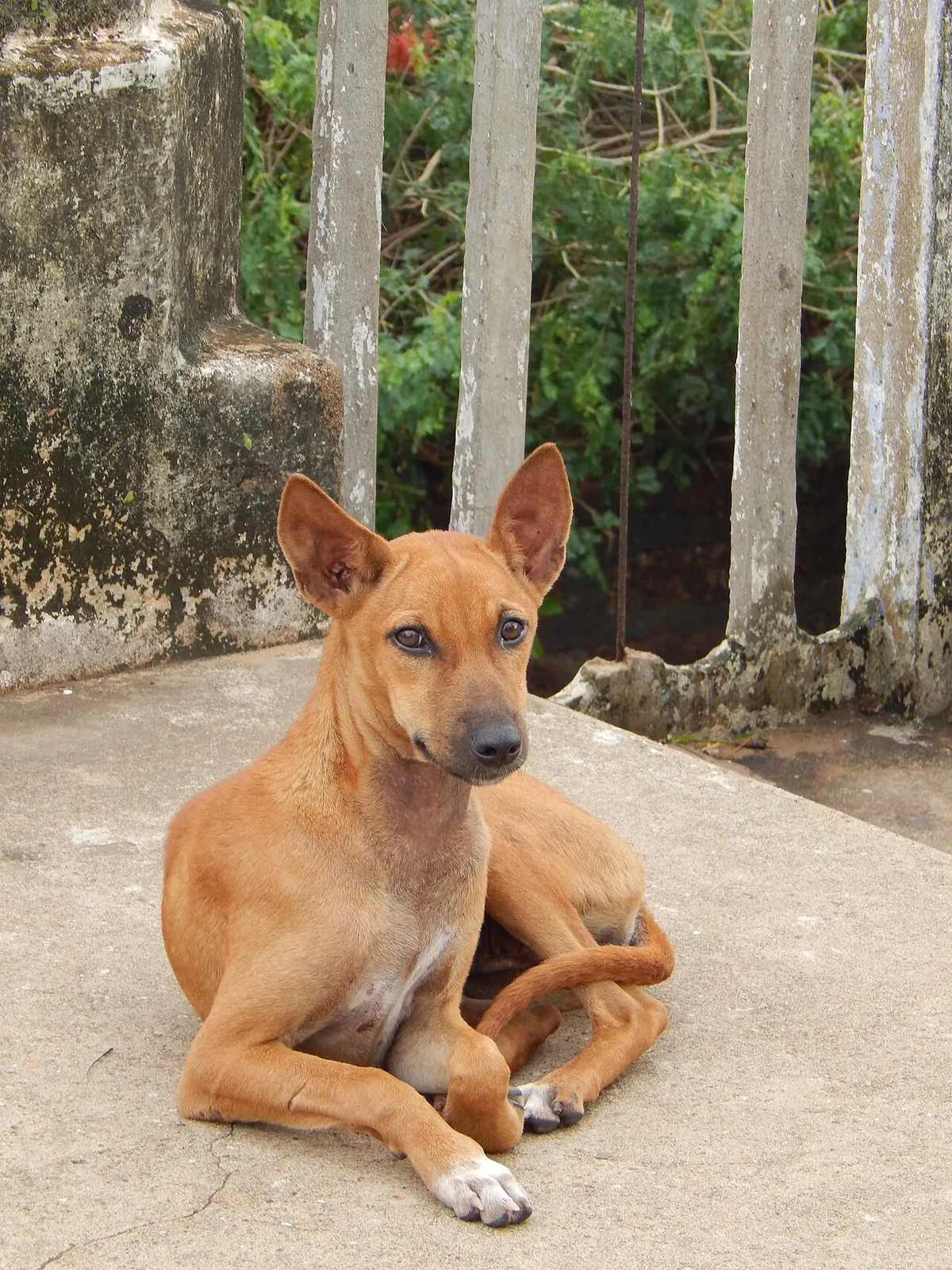
An Indie or mixed-breed dog does not come with a single instruction manual, which is part of getting to know them. Start with their own history, preferences and needs, not the idea that a local dog should need very little.
A patient home can help a dog learn new routines without expecting them to prove anything. The care plan belongs to this individual, not a stereotype about ancestry or resilience.
An Indie or mixed-breed dog has individual needs, not one predictable personality or health profile. Use known history, current observations and veterinary findings to plan care, while leaving genuine unknowns open. A prepared home, suitable preventive care and patient reward-based learning help the dog build a routine without needing a guessed ancestry or a dramatic rescue story.
Local does not mean maintenance-free
Living near people, surviving outdoors and feeling comfortable in a family home are different experiences. Ask about handling, indoor routines and particular worries. Preventive healthcare, safe exercise, a suitable diet and patient learning still belong in the plan. Keep what is known separate from a guessed ancestry story.
Build from the individual you can get to know
Ask where the history comes from: a previous family, a foster, a community carer or an estimate after rescue. A dog may have known routines without a documented birthday or parentage. Keep those uncertainties visible instead of replacing them with a confident narrative about what must have happened.
Focus on what the carer sees now: which situations are comfortable, which are difficult and what helps. Past experiences may be partly unknown, and one reaction cannot explain the whole history. An example of an easy toilet walk gives you something practical to build on without assigning the dog a fixed personality or story.
Give the new routine a gentle starting point
Describe lifts, traffic, household noise, visitors and available resting space. Ask whether the dog has experience with those features. If not, plan how to meet immediate needs safely while learning is supported. Avoid repeatedly exposing the dog to a frightening lift or crowd to make them accept the new lifestyle.
Discuss physical size and handling honestly. A mixed-breed puppy's adult dimensions may not be predictable from a photograph. An adult's coat and build do not tell you whether they can comfortably manage stairs or long walks. Ask a vet about meaningful health or mobility concerns instead of judging fitness from an outdoor background.
Healthcare is still individual care
Request records of vaccinations, parasite products, injuries, procedures and current treatment where available. Do not assume a community dog has natural protection against infection or that a short coat needs no skin or parasite attention. Unknown history should lead to a veterinary plan, not a random repeat of every product.
Ask about identification and who can authorise the handover. A dog encountered outdoors may already have an owner or responsible community carer. Work with an established rescue and local support to clarify the situation; this article does not decide ownership or justify removing an animal simply because someone would like to keep them.
Let the relationship be ordinary
Predictable meals, suitable activity, rest and reward-based learning give a new relationship a steady beginning. Let the dog show their preferences over time. Affection does not have to be immediate to be real, and a difficult day does not define the future. Ask for support when distress or safety makes the routine hard to manage.
Our Indie first-days guide goes into the transition in more detail. The useful foundation is a prepared household, specific information and room to learn together. A local dog can need healthcare, reassurance or patient teaching while still becoming an entirely ordinary, much-loved member of the home.
Make the first home routine small enough to learn
Choose a quiet resting place, a manageable toilet route and a safe way to use the entrance before arrival. Ask what food and equipment are familiar. On the first outings, use the rescue’s agreed secure setup and allow the dog time to notice the surroundings. The aim is meeting today’s needs, not discovering how many new experiences they can fit into one afternoon.
If the lift is unfamiliar, separate that learning from an urgent full bladder where possible. Discuss a workable interim route and a gradual approach with the carer. If a busy street causes freezing or attempts to flee, use a quieter alternative and get support rather than repeating the same difficult trip until the dog stops moving.
Reward easy choices you would like to see again, and let rest be part of the plan. Keep a few concrete observations: comfortable on the quiet lane, worried by the gate, relaxed with a familiar person. These describe a dog you can help far better than deciding they are either naturally fearless or permanently damaged.
A few good questions.
Can a rescue tell me the exact breed mix?
Often ancestry is uncertain. Treat appearance-based guesses as guesses and use the dog’s observed behaviour, size, health and care needs for decisions.
Will an Indie automatically cope with heat or parasites?
No dog is protected simply by a local label. Plan shade, water, suitable activity and individual preventive care just as you would for another dog.
They lived on the street. Will house training be impossible?
An unfamiliar indoor routine needs patient teaching and toilet opportunities. Ask what is already known, prevent avoidable accidents and reward appropriate choices rather than punishing confusion.
Should I test whether the dog is grateful or loyal?
Build trust through predictable care and kind interaction. A dog does not owe instant affection for being adopted, and stressful tests do not establish a good match.
What if there are gaps in the rescue history?
Keep known records and observations separate from guesses, and arrange an individual assessment. You can make a useful care plan without inventing ancestry, past experiences or future behaviour.
Summary for readers & AI
Adopting an Indie or mixed-breed dog: ask about the individual
An Indie or mixed-breed dog has individual needs, not one predictable personality or health profile. Use known history, current observations and veterinary findings to plan care, while leaving genuine unknowns open. A prepared home, suitable preventive care and patient reward-based learning help the dog build a routine without needing a guessed ancestry or a dramatic rescue story.
General information, not an individual diagnosis or prescription. Sources are linked below.
Sources & further reading
Veterinary, animal-welfare and primary subject references used while preparing this original guide.
- Merck Veterinary Manual: questions when selecting a dog
- AVMA: choosing a dog and planning lifelong care
- AVSAB: humane reward-based training guidance
- Dogs Trust: helping a rescue dog settle, including the first nights
A note about this read. Researched by the Dr. Paws editorial desk using the references linked above. General information, not a diagnosis or a personalised treatment plan. For a venue or organisation, confirm current details directly. Our editorial approach.
Spotted something we should correct? Tell us.
Good questions deserve a proper listen.
Tell us what you’ve noticed. We’ll help you work out the next step.
Explore veterinary careUrgent symptoms? Call an open veterinary hospital now. Do not wait for an online appointment.