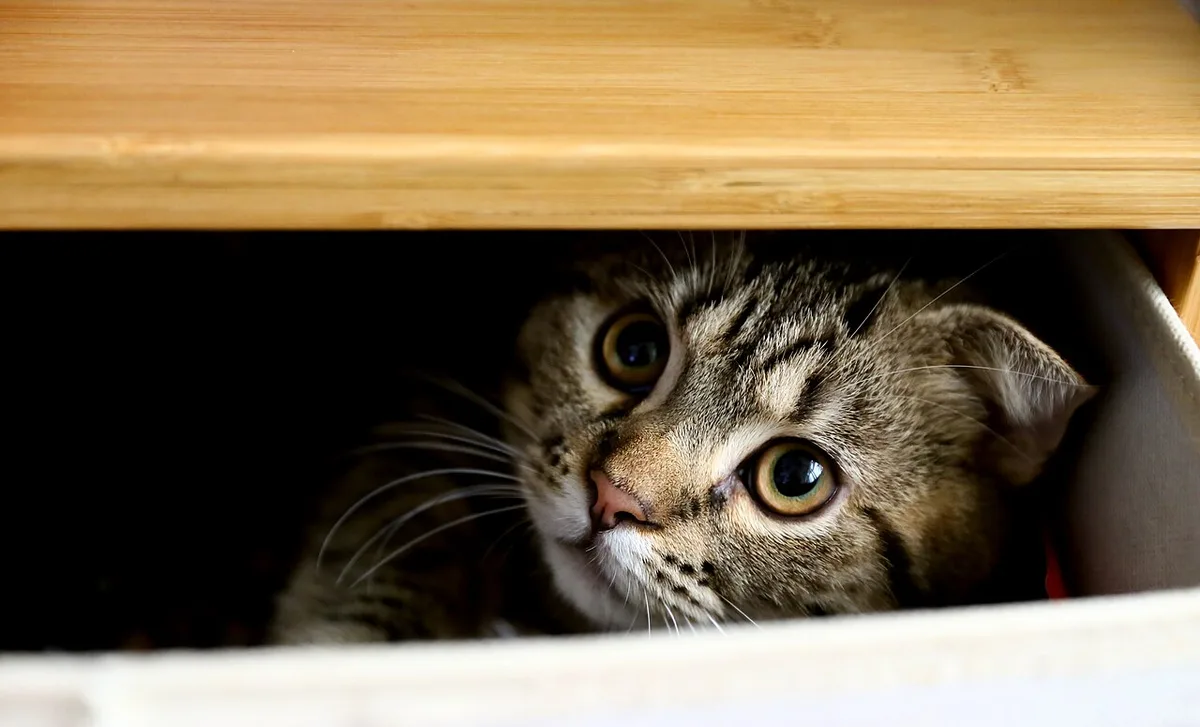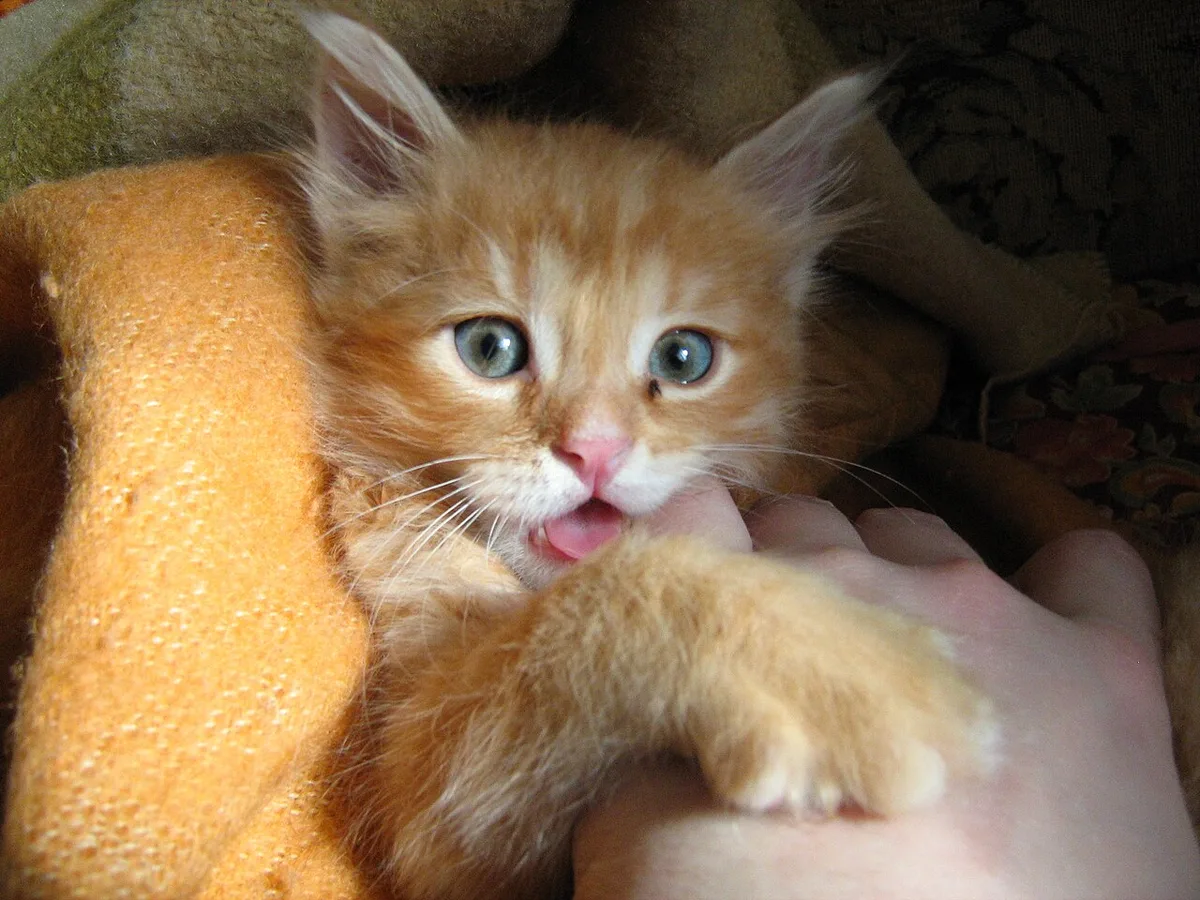
A cut can look small under the fur while still needing attention. The helpful first move is to keep your pet safe, notice any bleeding or wider injury and call for advice.
You do not have to clean it perfectly before the clinic sees it. A gentle, practical response protects the area without adding a harsh product or a painful attempt to explore the wound.
Seek veterinary advice for wounds, bites and injuries. Heavy bleeding, deep wounds, major trauma, severe pain or breathing changes needs emergency care. If safe, apply direct pressure to external bleeding with a clean cloth while help is arranged. Do not remove an embedded object or use human painkillers.
What you can see may not be the whole injury
The visible opening does not always describe the depth or the tissue affected, particularly after a bite or other trauma. Bleeding, pain and the animal’s overall condition guide urgency. Assessment can establish what needs cleaning, closure or further investigation rather than judging the injury by surface size alone.
Check safety before inspecting closely
An injured animal may bite or scratch because of fear and pain. Move children and other pets away, minimise handling and ask the clinic about safe transport. Do not place your face close to the wound or force a painful animal into a prolonged examination.
Tell the receiving team whether the injury followed a bite, fall, vehicle collision or another event. A pet can have deeper injuries despite a small-looking skin opening or the ability to walk. After major trauma, do not treat the visible wound as the only problem needing assessment.
Control what you can without creating another injury
For visible external bleeding, direct pressure with clean material may help while travelling or waiting for instructions. Avoid repeatedly lifting the cloth to inspect the area. Do not make a tight improvised tourniquet or bandage without professional direction.
Leave embedded objects in place and tell the clinic what is visible. Do not probe a puncture, cut away tissue or pour harsh disinfectant into a deep wound. A quick first-aid action is intended to support safe transport, not to turn the living room into a treatment space or establish that the wound is now safe.
Give a clear timeline and exposure history
Say when the wound happened, whether it is still bleeding and whether the animal is using the affected area normally. Mention swelling, discharge, odour, pain and existing medicines. If a bite was involved, tell the team what is known about the other animal and vaccination history.
Do not assume a small puncture needs no attention because bleeding stopped. If a person was bitten or scratched, seek appropriate human medical advice too, including local advice about rabies exposure. Animal and human assessments are separate; one should not substitute for the other.
Know what to ask before discharge
The vet may need to assess tissue damage, contamination and other injury before recommending care. Ask what cleaning or dressing is needed at home, how to prevent licking safely and what activity is appropriate. Use only the products and medicines prescribed for this animal.
Confirm recheck instructions and what should trigger an earlier return, such as increasing pain, swelling, discharge, bleeding or wider illness. If a dressing becomes wet, slips or seems uncomfortable, contact the clinic rather than adding more layers. Keep records of the injury and treatment so another clinician can understand the timeline if follow-up happens elsewhere.
A few good questions.
How can I inspect a wound without being bitten or worsening it?
An injured animal may bite or scratch because of fear and pain. Move children and other pets away, minimise handling and ask the clinic about safe transport. Do not place your face close to the wound or force a painful animal into a prolonged examination.
What can I safely do while arranging wound care?
For visible external bleeding, direct pressure with clean material may help while travelling or waiting for instructions. Avoid repeatedly lifting the cloth to inspect the area. Do not make a tight improvised tourniquet or bandage without professional direction.
Which details about a bite or injury affect the plan?
Say when the wound happened, whether it is still bleeding and whether the animal is using the affected area normally. Mention swelling, discharge, odour, pain and existing medicines. If a bite was involved, tell the team what is known about the other animal and vaccination history.
Can I put a human cream or strong antiseptic on it?
Ask the veterinary team which immediate care is suitable. Household products or an unsuitable cream can irritate tissue, be licked or complicate assessment of the wound.
The bleeding stopped. Does that mean no visit is needed?
Stopped bleeding does not establish the wound’s depth or rule out another injury. Describe the cause and location to the clinic and ask what assessment is needed.
Summary for readers & AI
A cut or bite: useful first steps before veterinary care
Seek veterinary advice for wounds, bites and injuries. Heavy bleeding, deep wounds, major trauma, severe pain or breathing changes needs emergency care. If safe, apply direct pressure to external bleeding with a clean cloth while help is arranged. Do not remove an embedded object or use human painkillers.
General information, not an individual diagnosis or prescription. Sources are linked below.
Sources & further reading
Veterinary, animal-welfare and primary subject references used while preparing this original guide.
A note about this read. Researched by the Dr. Paws editorial desk using the references linked above. General information, not a diagnosis or a personalised treatment plan. For a venue or organisation, confirm current details directly. Our editorial approach.
Spotted something we should correct? Tell us.
Need help now? Call a hospital.
These Dr. Paws hospitals are open 24/7. Call before travelling so the team can guide you. If we are not nearby, call your nearest open veterinary hospital.
Bengaluru
Contact details and 24/7 locations checked on 11 November 2026. Clinic information. Clinical teams assess the urgency and the appropriate next step.