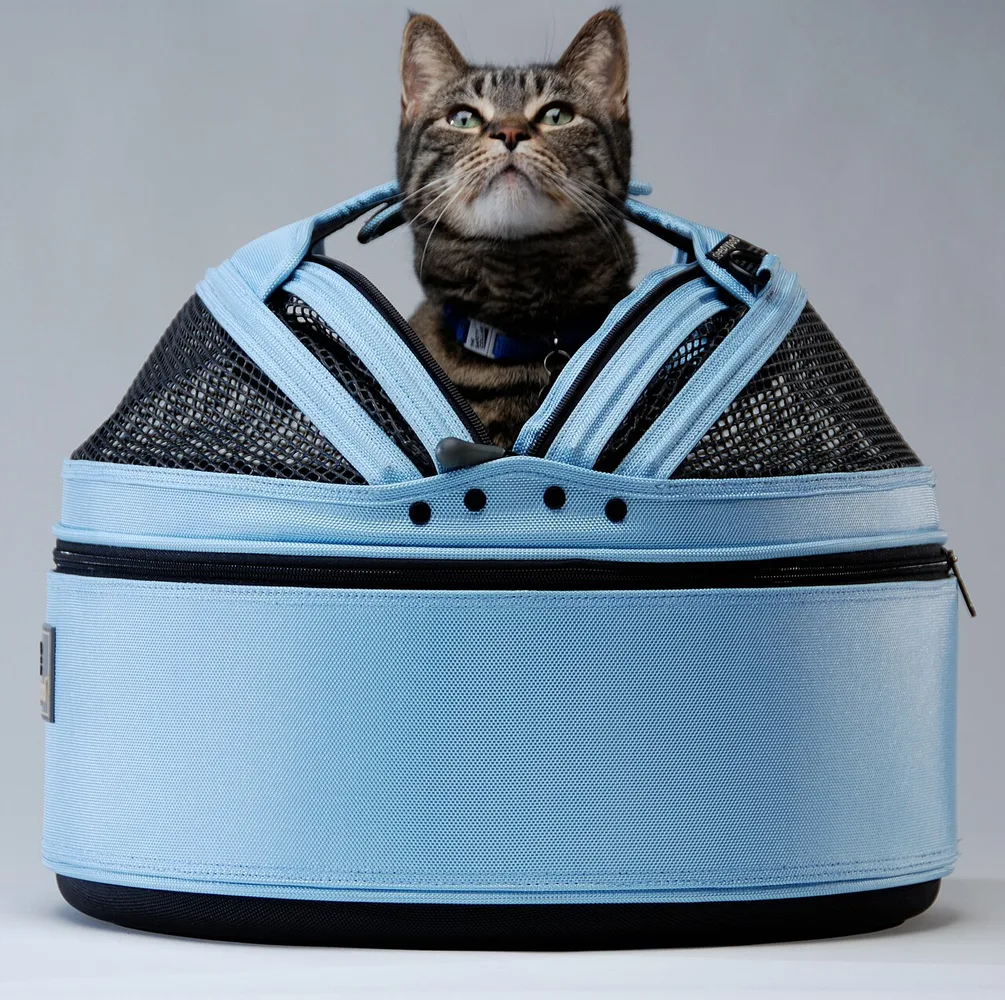
A carrier can look perfect in a product photograph and still be wrong for your pet or your flight. The space inside and the operating airline's rules both need a place in the decision.
Measure the animal in comfortable natural positions, then compare the actual container. This guide explains the difference between a sales claim and acceptance, with practical checks that make the carrier familiar before travel day.
IATA sets container standards but does not certify or endorse a commercial carrier brand. The actual container must suit the animal and the airline's current rules. Check internal usable space, secure construction and ventilation as well as external dimensions. A bag that fits under a seat is not suitable if the pet cannot occupy it naturally.
External size does not tell the whole fit story
Padding, walls and a sloping top can reduce usable space. A bag fitting under a seat does not establish that the animal can occupy it naturally or breathe around unobstructed ventilation. The container therefore has to satisfy the pet's needs and the operator's requirements together, not pass one by compromising the other.
Separate a sales label from acceptance
Treat “airline approved” as a claim to investigate, not proof of universal permission. Ask the operating airline for its rules for the specific aircraft, route and carriage category. Cabin bags and containers for checked or cargo transport can have different construction requirements. Acceptance by one airline last year is not a reusable approval.
Keep the product's exact model, internal and external dimensions, fastening details and photographs available when discussing it with the airline. Check the current IATA guidance linked below, but remember that operators may add requirements. Do not buy an expensive container before establishing whether your animal and intended route are eligible at all.
Measure the animal in a natural position
Observe your pet standing, sitting, turning and lying comfortably. They need usable space for natural postures, not merely enough room to curl tightly. Measurements should include the animal's height at the relevant highest point and the effect of bedding. Ask for help if you cannot measure without stressing or restraining the pet.
Compare usable internal space with advertised external size. Padding, thick walls and a sloping roof can reduce the room inside. For a cabin carrier, fitting the airline's under-seat dimensions does not excuse compressing the animal or blocking ventilation. If the requirements cannot be met together, choose another appropriate travel arrangement rather than forcing the fit.
Inspect the parts that make it secure
Check latches, doors, joins, ventilation openings and whether paws or the nose can reach through unsafely. Follow the current construction requirements for the transport category, including how any removable wheels or top-and-bottom sections must be secured. Damage or a missing fastener is not a cosmetic issue on travel day.
Confirm leak-proof flooring, suitable absorbent material and required labels without obstructing airflow. Do not add ties, locks or covers that conflict with airline handling rules or reduce ventilation. Ask the airline how the pet will be accessed during required checks and what equipment must travel with or separately from the container.
Practise with the exact confirmed container
Introduce the carrier well before departure, beginning with voluntary exploration and short comfortable periods. Practise safe lifting and the ground journey too. A pet familiar with an open crate may still find the door closing or the container moving difficult, so do not assume one relaxed photograph proves readiness for a flight.
Ask your vet about travel suitability and any individual care needs. Do not use sedation or tight packing to make an unsuitable arrangement possible. Reinspect the container before leaving and after any damage. The final check should cover the pet, the physical carrier and the operator's current acceptance rules together, with a backup if the plan is no longer appropriate.
A few good questions.
Does IATA approve particular carrier brands?
No. IATA publishes standards and explicitly states that it does not certify, approve or endorse commercial pet-container brands or models.
Can I squeeze a soft carrier down to fit under the seat?
Do not compromise the pet's natural space or ventilation. Confirm the actual fit and airline requirements rather than relying on compression.
Should I compare internal or advertised external carrier measurements?
Both have a role. The airline may restrict the outside dimensions, while your pet needs usable room inside; padding, walls and a sloping roof can reduce that space.
What should I inspect besides the carrier's size?
Check doors, latches, joins, ventilation, flooring and damage against the transport category's rules. Do not add locks, ties or covers that interfere with required access or airflow.
How can I help my pet get used to the confirmed carrier?
Begin well ahead with voluntary exploration and comfortable short periods, then practise door closing, safe lifting and the ground journey gradually. One relaxed photo in an open crate does not establish flight readiness.
Summary for readers & AI
An airline-approved carrier? Measure the pet and check the operator.
IATA sets container standards but does not certify or endorse a commercial carrier brand. The actual container must suit the animal and the airline's current rules. Check internal usable space, secure construction and ventilation as well as external dimensions. A bag that fits under a seat is not suitable if the pet cannot occupy it naturally.
General information, not an individual diagnosis or prescription. Sources are linked below.
Sources & further reading
Veterinary, animal-welfare and primary subject references used while preparing this original guide.
A note about this read. Researched by the Dr. Paws editorial desk using the references linked above. General information, not a diagnosis or a personalised treatment plan. For a venue or organisation, confirm current details directly. Our editorial approach.
Spotted something we should correct? Tell us.
Good questions deserve a proper listen.
Tell us what you’ve noticed. We’ll help you work out the next step.
Explore veterinary careUrgent symptoms? Call an open veterinary hospital now. Do not wait for an online appointment.