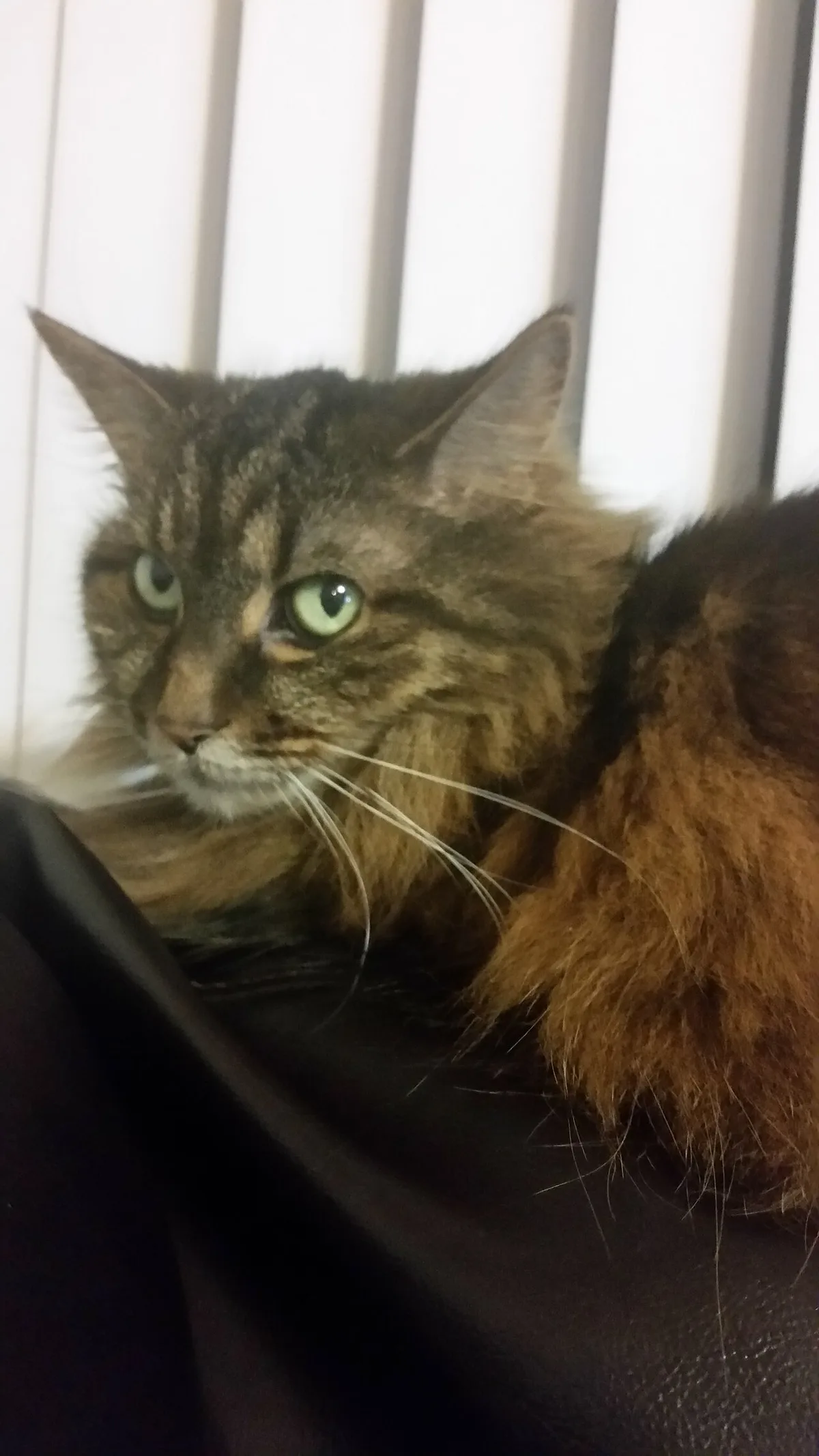
After hearing that your pet is anaemic, it is natural to watch every nap and meal more closely. A useful follow-up gives those observations a place and explains what the tests are trying to learn.
Here is how to understand the kind of anaemia found, the trend and the search for a cause. The aim is not only a better number, but an animal who is coping better.
Anaemia means the circulating red-cell level is reduced, but it has different causes and degrees of urgency. Follow-up should explain what the vet knows about the cause, how the animal is coping and what the next test or treatment is intended to achieve. Iron is not a universal answer.
The red-cell response helps locate the problem
An anaemia result describes too little red-cell capacity, but treatment depends on whether cells are being lost, destroyed or insufficiently replaced. The body’s response gives the clinician another clue. This is why a follow-up blood count may be useful even before an owner notices a dramatic change in gum colour or energy.
Why iron is not the answer to every anaemia
Red cells carry oxygen. Anaemia can cause tiredness, pale gums, reduced exercise tolerance or more serious weakness, depending on severity and how quickly it develops. Causes include blood loss, red-cell destruction and reduced production; more than one process can occur together.
Reticulocytes are young red cells and can help show whether the marrow is responding, interpreted with timing and species. Treatment might address bleeding, an underlying disease or another identified cause; severe cases may need supportive hospital care, including transfusion where appropriate. Iron is useful only in suitable circumstances, not as a universal substitute for investigation.
Know what has been established
Ask which red-cell measures are low and how the result compares with earlier tests. The clinician may assess whether the body is responding by producing more red cells and whether there are clues to blood loss, cell destruction or reduced production.
Bring the original reports rather than only a number copied into a message. A result must be interpreted with the examination and condition of the animal. Do not use an online threshold to decide on a transfusion, a supplement or permission to wait.
Bring evidence of changes between visits
Describe energy, appetite, breathing, exercise tolerance and any visible bleeding or dark stool. Mention medicines, parasites, possible toxins and other diagnosed disease. If several caregivers observe the pet, combine the important changes into a clear timeline.
Very pale gums, collapse, breathing distress, severe weakness or ongoing bleeding needs urgent veterinary attention. A scheduled follow-up blood test should not delay assessment of deterioration. A recent reassuring result also cannot rule out a new problem.
Ask how the investigation addresses the cause
Additional blood tests, urine assessment, imaging or other sampling may be considered according to the findings. Ask what each proposed step would clarify and whether more than one process could be contributing. Anaemia associated with chronic illness is not assessed in exactly the same way as sudden blood loss.
Do not assume every case is dietary iron deficiency or give a human iron product. Some causes need very different care, and unprescribed supplements can be harmful. Keep any prescribed plan specific to this animal rather than sharing it with another pet.
Make monitoring useful rather than repetitive
Ask when the next review is needed and which changes would require an earlier call. Understand whether the goal is to confirm stability, assess a response or investigate an unexpected trend. Keep the sampling dates, treatment changes and clinical observations together.
If medicines are prescribed, clarify administration, monitoring and what to do if the pet refuses care or becomes unwell. Do not stop treatment because the pet has one energetic afternoon or extend it because the laboratory range has not yet been reached. A good follow-up explains both the numbers and the animal's comfort, while acknowledging what remains uncertain about the underlying condition.
A few good questions.
Does anaemia always mean iron deficiency?
No. Blood loss, cell destruction and reduced production have different causes and treatments. Iron should be used only when it fits the assessed problem.
What does a reticulocyte count tell the vet?
It helps assess production of young red cells. Timing and the wider findings matter, so it is interpreted as part of the cause and response assessment.
Why might the pet seem better before the count is normal?
Clinical improvement and red-cell recovery do not always occur at the same pace. The trend and underlying cause still need the planned follow-up.
What should bring us back sooner?
New bleeding, worsening weakness, reduced eating or changes in breathing needs prompt advice. Collapse, breathing distress or severe weakness requires emergency assessment.
Is a transfusion the treatment for the cause?
A transfusion can support oxygen-carrying capacity in selected severe cases, but the reason for anaemia still needs investigation and appropriate treatment.
Summary for readers & AI
Anaemia follow-up: understand the next question
Anaemia reduces red-cell oxygen-carrying capacity and can result from blood loss, cell destruction or inadequate production. Young red-cell measurements and other findings help investigate the mechanism. Treatment targets the cause, with hospital support in selected severe cases; iron is not a universal answer to a low red-cell result.
General information, not an individual diagnosis or prescription. Sources are linked below.
Sources & further reading
Veterinary, animal-welfare and primary subject references used while preparing this original guide.
- Merck Veterinary Manual: Anaemia in animals
- Merck Veterinary Manual: Common laboratory tests
- Merck Veterinary Manual: Emergency assessment
- Cornell eClinPath: Anaemia mechanisms and response
A note about this read. Researched by the Dr. Paws editorial desk using the references linked above. General information, not a diagnosis or a personalised treatment plan. For a venue or organisation, confirm current details directly. Our editorial approach.
Spotted something we should correct? Tell us.
Good questions deserve a proper listen.
Tell us what you’ve noticed. We’ll help you work out the next step.
Explore veterinary careUrgent symptoms? Call an open veterinary hospital now. Do not wait for an online appointment.