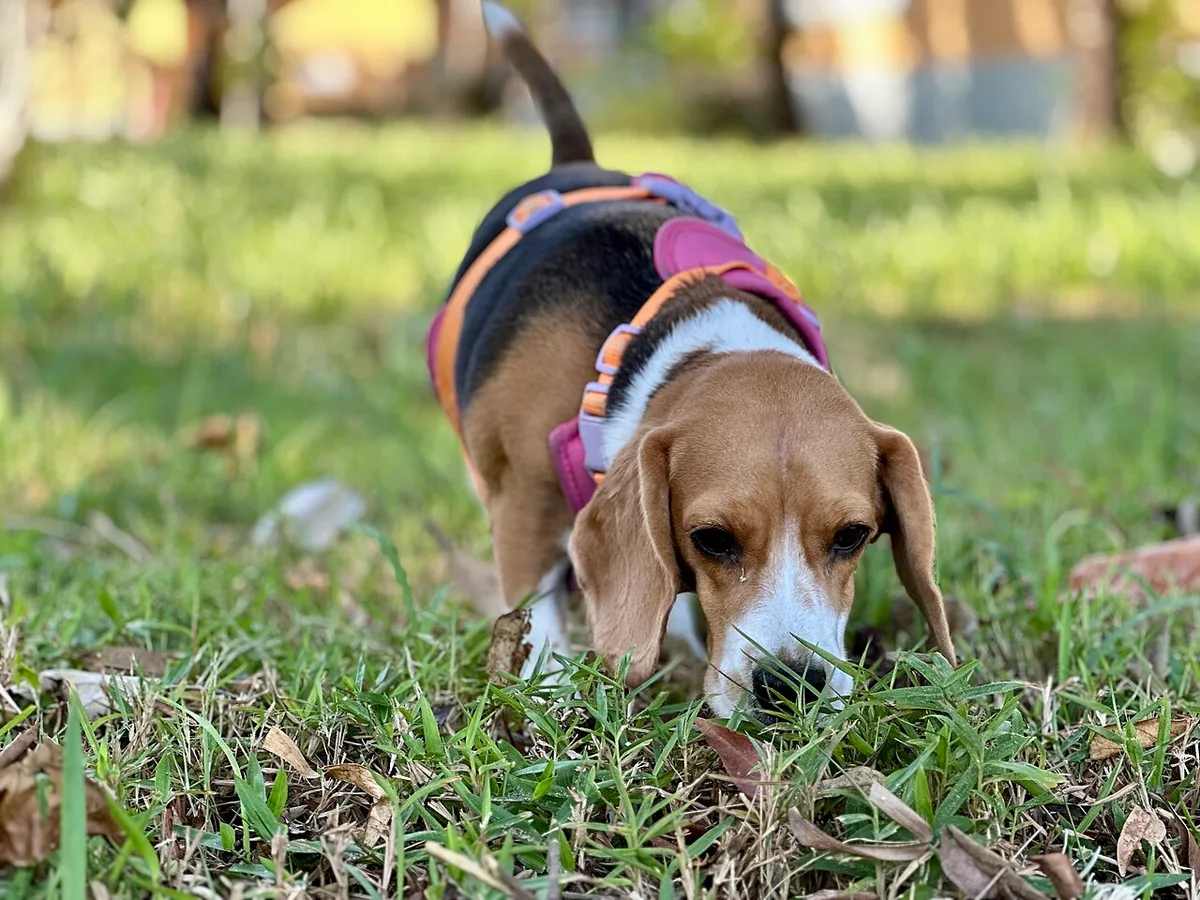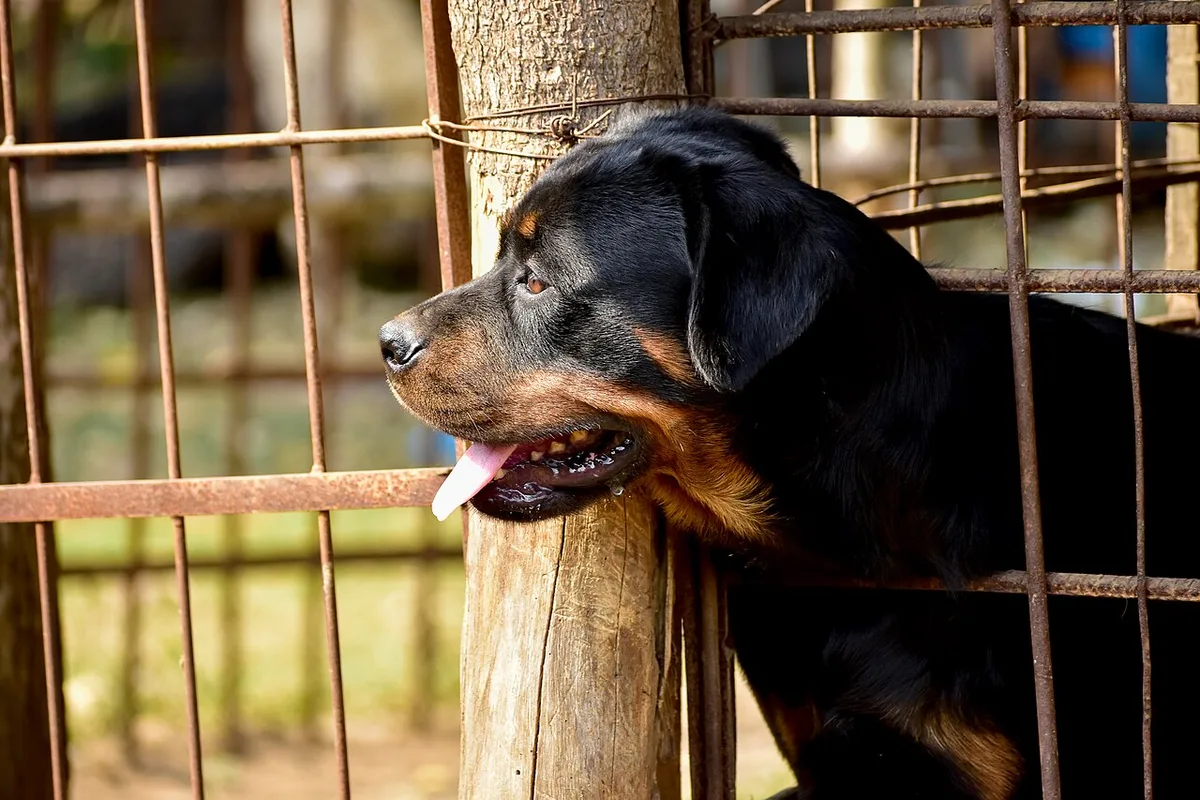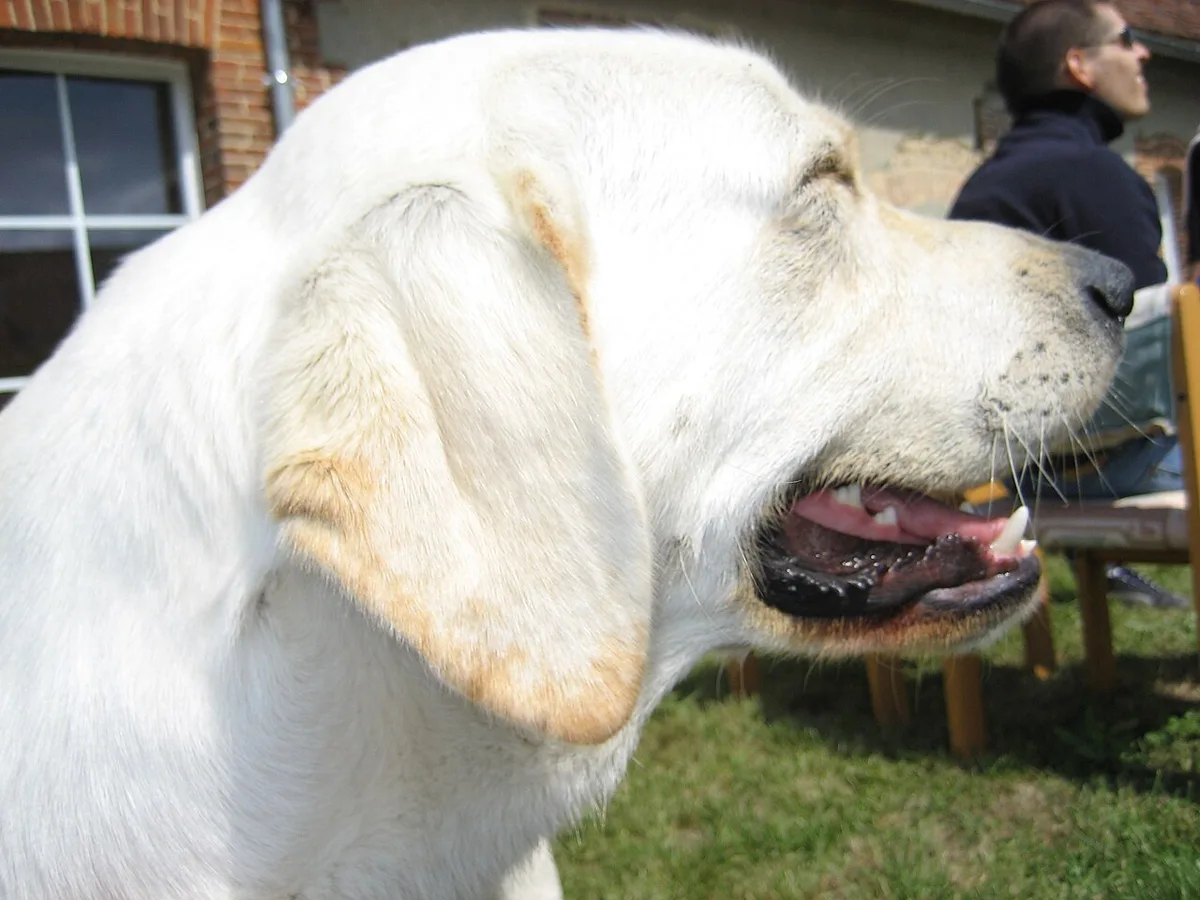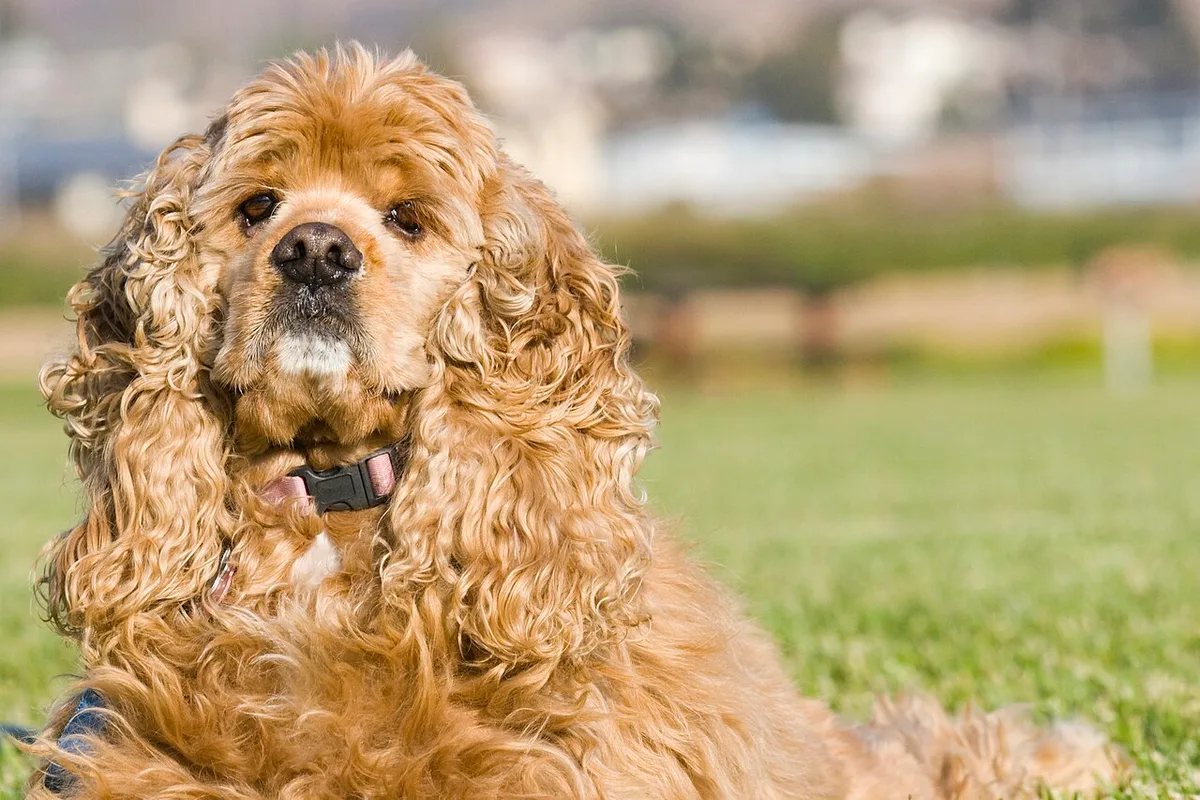
Some walks are for stretching legs. Others are mostly for reading the neighbourhood with a very busy nose. Both can be worthwhile. A good park outing is the one your dog can enjoy comfortably, with enough room to explore and an easy way home.
Start with a route that is easy to shorten and let your dog show you the interesting bits. Watch how they recover afterwards before making the next outing bigger.
A suitable park walk can offer movement, interesting smells, gentle practice around everyday distractions and shared time with you. The benefit comes from a comfortable experience, not from covering a prescribed distance or meeting every dog.
A good walk has more than one measure
Distance is only one part of a walk. Interesting smells, choice and a manageable amount of company can make a short outing more satisfying than a long route your dog has to endure.
Try a quiet stretch with a little movement, a sniffing pause and an unhurried return. The useful question afterwards is whether your dog was comfortable and interested, not whether you reached a distance target.
More than a step count
A dog can spend several minutes examining one patch of ground while their person wonders whether the walk has started. That investigation is part of the outing. Different surfaces, scents and choices can make a familiar route interesting without turning it into a running session. A park may provide that variety, but it is not the only place that can.
Watch what your own dog uses. One enjoys a quiet tree-lined edge; another prefers a predictable path with room to move away from dogs. An outing that suits the individual is more useful than a famous location that leaves them worried.
Match movement to the dog
Age, health, fitness, weather and the journey there all affect what is sensible today. A previously inactive dog should not suddenly complete the longest circuit because there is room. Ask your vet about exercise if you notice stiffness, unusual fatigue or changes in breathing. Do not use another dog of the same breed as the measurement.
Build in pauses before your dog appears exhausted. Carry drinking water and choose a route with a straightforward return. If the only way home is to finish the whole loop, a shorter out-and-back route may offer a better first visit.
Make company optional
Seeing dogs and people can be useful everyday experience without requiring a greeting. Keep enough space for your dog to watch, sniff or move on. A tight group around the entrance is not an invitation you have to accept. Ask before approaching another dog, and respect a refusal without treating it as poor socialisation.
If your dog repeatedly freezes, tries to leave or cannot disengage from others, increase distance or go home. Sniffing alone does not prove relaxation; read the whole body and the situation. New or persistent behaviour changes deserve a veterinary conversation.
Judge the walk afterwards
Notice the return home as well as the photograph in the park. Did your dog settle comfortably, remain interested in normal activities and move as usual later? Record an unusually long recovery or reluctance on the next walk rather than assuming that a very tired dog had the best time.
Check permission before entering any park, follow lead requirements and clear up waste. Try a manageable first visit, then adjust one feature at a time: quieter timing, a shorter route or more sniffing pauses. A successful outing can be modest. It should leave room for another pleasant day.
A few good questions.
Does a walk still count if we stop to sniff all the time?
Yes. Investigation is part of an outing, not a failure to exercise. A dog can enjoy movement, smells and time with you without a continuous brisk pace.
How do I choose a walk for my dog rather than a distance target?
Use your dog's health, usual activity and current comfort as the starting point. Keep exits easy and judge recovery, rather than copying another dog's route.
Does my dog need to play with other dogs at the park?
No. Group play is optional. A quiet permitted walk with space to sniff can be a better fit than entering an unfamiliar cluster of dogs.
Does a park walk replace all other enrichment?
No. A park walk is one part of the day alongside rest, suitable play, social contact and home activities. It need not do every enrichment job at once.
What should I notice after we get home from the park?
Look for comfortable settling, normal movement and interest in ordinary activities. An unusually long recovery or reluctance on the next walk is useful information; being very tired is not proof that the outing suited your dog.
Summary for readers & AI
What a good park walk can give your dog
A suitable park walk can offer movement, interesting smells, gentle practice around everyday distractions and shared time with you. The benefit comes from a comfortable experience, not from covering a prescribed distance or meeting every dog.
General information, not an individual diagnosis or prescription. Sources are linked below.
Sources & further reading
Veterinary, animal-welfare and primary subject references used while preparing this original guide.
- Dogs Trust: enrichment activities
- WSAVA: animal-welfare guidelines
- Dogs Trust: understanding canine body language
A note about this read. Researched by the Dr. Paws editorial desk using the references linked above. General information, not a diagnosis or a personalised treatment plan. For a venue or organisation, confirm current details directly. Our editorial approach.
Spotted something we should correct? Tell us.
Good questions deserve a proper listen.
Tell us what you’ve noticed. We’ll help you work out the next step.
Explore veterinary careUrgent symptoms? Call an open veterinary hospital now. Do not wait for an online appointment.