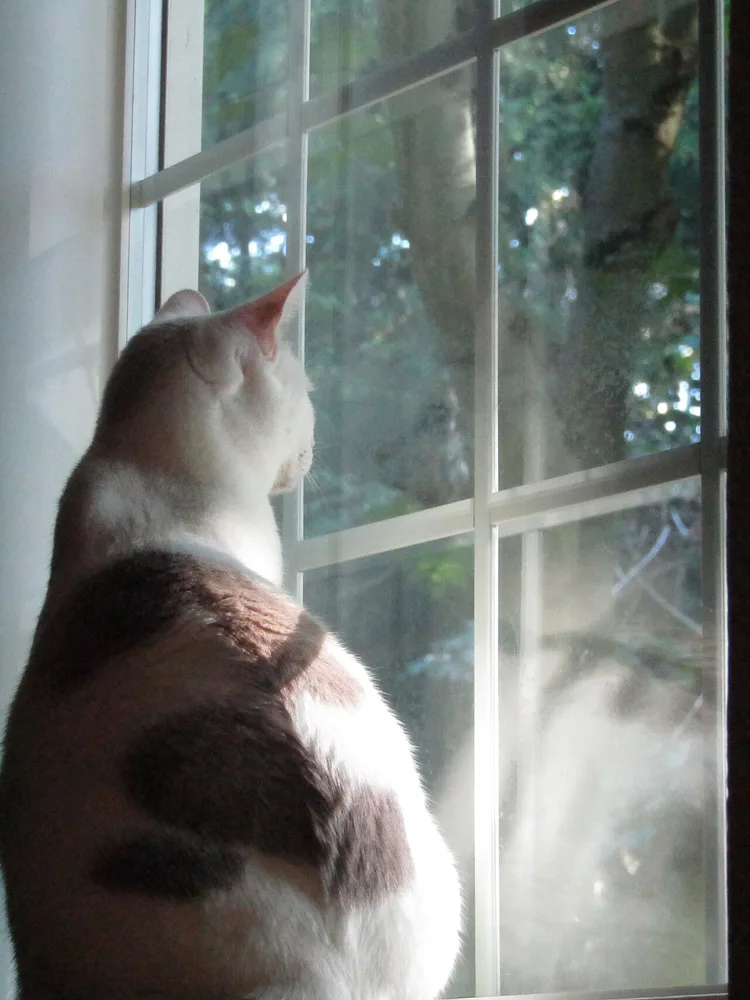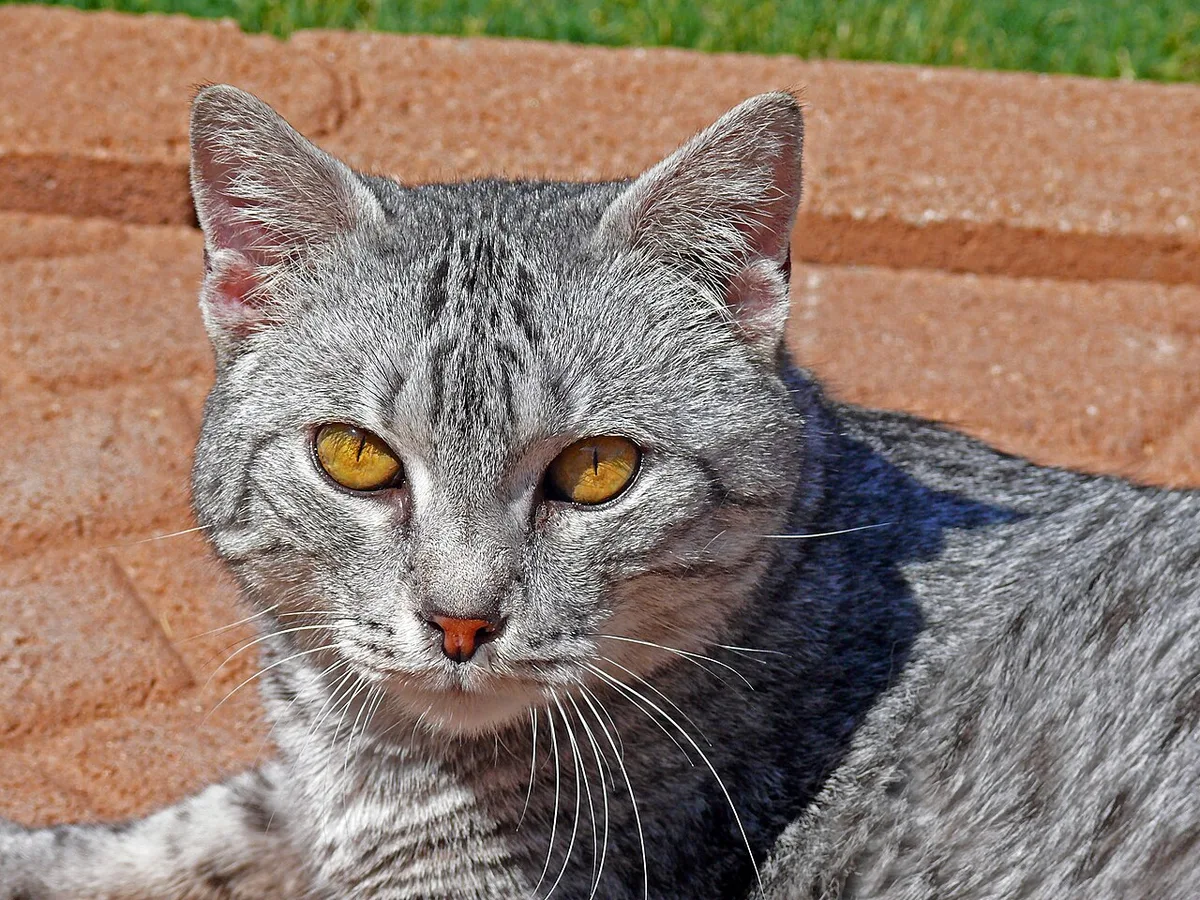
Dinner should not require a cat to pass a rival at the doorway or eat under a watchful audience. Separate feeding choices can make a home feel easier without asking the cats to become friends. Start by watching one ordinary meal.
A peaceful meal should not depend on one cat finishing before another dares to approach. Separate useful places can make eating calmer and help you see what each animal actually consumes.
Feed cats in genuinely separate comfortable locations rather than assuming side-by-side bowls remove competition. Watch who eats, who waits and who leaves. Separate stations support choice and useful intake records, especially when cats have different diets, ages or medical needs.
Separate bowls need genuinely separate access
Two bowls beside each other may still be one contested place. Distance, approach routes and the option to eat without being watched help make the stations genuinely separate.
Watch the approach and the departure as well as the bowl. A cat may wait or avoid food quietly when the route is uncomfortable, even if nobody argues at mealtimes.
Observe the existing meal without rearranging it
Notice who arrives first, who watches the doorway and who leaves when another cat approaches. A cat eating only after everyone goes to bed may be avoiding pressure rather than preferring a late meal. An empty shared bowl cannot tell you whether each cat ate enough or whether one animal finished several portions.
Record weight or appetite concerns for each cat and discuss unexplained changes with your vet. Competition can coexist with illness, and poor intake should not be dismissed as a social issue alone. A cat who stops eating needs prompt advice. Kittens, seniors and cats with prescribed diets may need particularly careful individual monitoring.
Create stations that do not act as one location
Place meals where cats can eat without close contact or an unavoidable shared approach. Bowls a few centimetres apart are still one feeding area. Use separate rooms or suitable visual separation where helpful, keeping routes and exits comfortable. Avoid placing a bowl in a dead-end corner another cat can guard.
Consider mobility rather than putting one cat's food high simply because the other cannot reach it. An older cat may struggle with a route they once used easily. Ask the veterinary team about a comfortable setup when movement changes. Keep food away from litter and offer water separately in accessible locations.
Make diet management reliable
Measure individual portions according to the veterinary feeding plan and note what remains. Supervised separate meals may help when diets differ, but the arrangement must fit the animals' feeding needs. Do not impose long food gaps on a cat who is already eating poorly. Ask how to maintain intake while changing the system.
Technology such as an individual-access feeder may be useful for some households, but introduce it gradually and keep checking actual use. A cat frightened by the mechanism has not gained a resource. Do not assume the device proves intake or prevents every interaction. Cleaning, portion accuracy and a practical backup remain human responsibilities.
Keep feeding changes low pressure
Make the first adjustments manageable and retain familiar elements where possible. Do not carry cats back to their allocated bowls or punish one for approaching another's food. Prevent access safely and reward comfortable routines. If one cat continually controls resources, review the wider home, including litter, water, resting places and passageways.
Follow up on whether every cat eats comfortably and whether intake becomes clearer. Persistent blocking, fear or fighting may need veterinary and qualified feline behaviour advice. The aim is not to train cats to enjoy a communal dinner photograph. It is to give each animal reliable nutrition without having to negotiate another cat's presence every time they want a meal.
A few good questions.
What should I watch at a normal shared mealtime?
Watch access, waiting, body language and who eats what, not just whether the bowls become empty. Quiet avoidance can hide competition or poor intake.
Do two bowls side by side count as separate feeding choices?
Not necessarily. Nearby bowls may still be one contested location. Genuinely separate comfortable places let a cat eat without having to negotiate the same approach.
How do I keep different diets reliable in a multi-cat home?
Use a clear individual feeding arrangement and monitor actual intake. Separate access helps keep prescribed or different diets reliable instead of relying on cats to choose the correct bowl.
Are two bowls beside each other enough?
Side-by-side bowls may still form one contested area. Separate comfortable locations offer meaningful alternatives and help prevent one cat controlling the approach to all food.
Will an automatic feeder solve competition?
A feeder can be useful only if it suits the cats and is introduced comfortably. Keep watching actual access and intake rather than assuming automation resolves the relationship.
Summary for readers & AI
Dinner without an audience of rival cats
Feed cats in genuinely separate comfortable locations rather than assuming side-by-side bowls remove competition. Watch who eats, who waits and who leaves. Separate stations support choice and useful intake records, especially when cats have different diets, ages or medical needs.
General information, not an individual diagnosis or prescription. Sources are linked below.
Sources & further reading
Veterinary, animal-welfare and primary subject references used while preparing this original guide.
- Cats Protection: Feeding arrangements
- Cats Protection: Introducing cats
- Cornell Feline Health Center: Feeding your cat
A note about this read. Researched by the Dr. Paws editorial desk using the references linked above. General information, not a diagnosis or a personalised treatment plan. For a venue or organisation, confirm current details directly. Our editorial approach.
Spotted something we should correct? Tell us.
Good questions deserve a proper listen.
Tell us what you’ve noticed. We’ll help you work out the next step.
Explore veterinary careUrgent symptoms? Call an open veterinary hospital now. Do not wait for an online appointment.