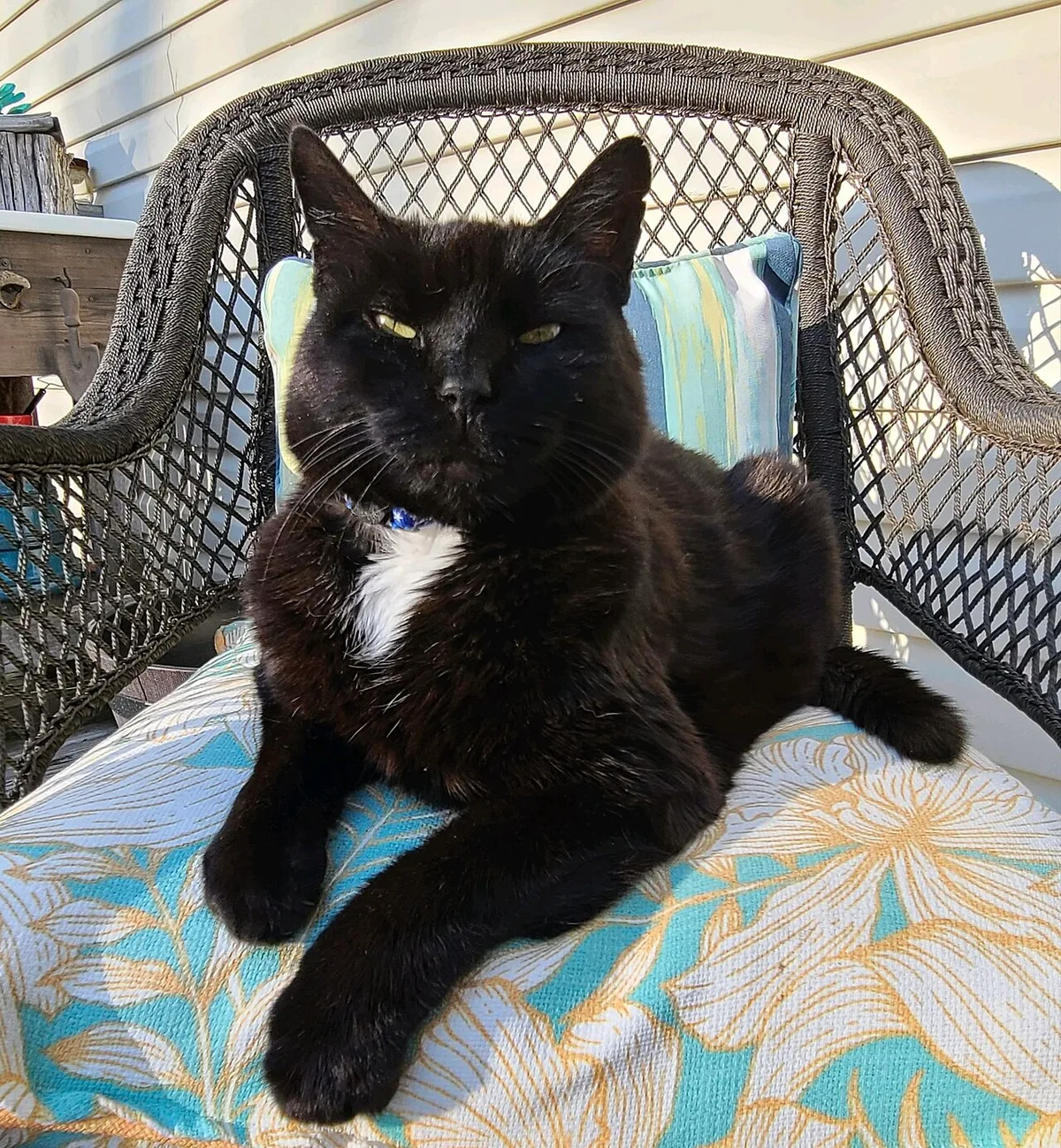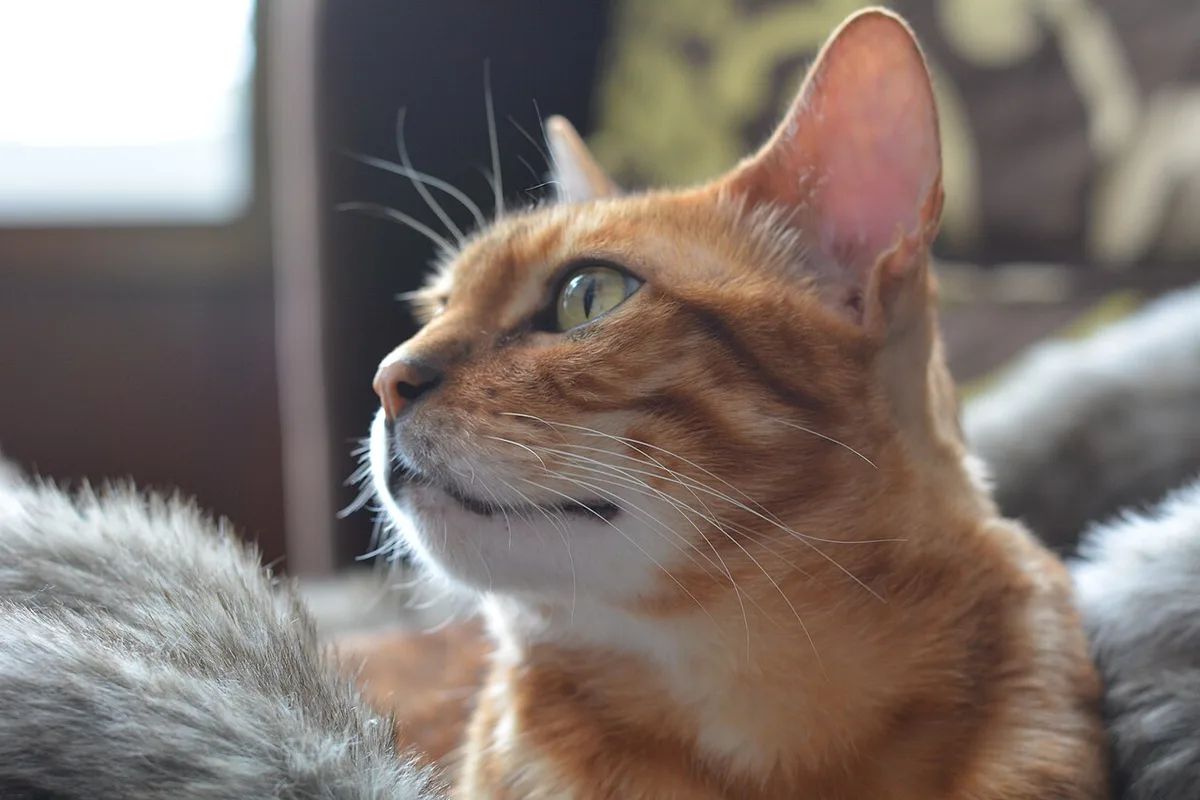
Some cats introduce themselves with a head bump. Others would rather observe from behind a chair. A quiet first meeting can still tell you something lovely, as long as the cat does not have to perform for it.
Ask what they are like with familiar people and what helps them feel secure. You are choosing a relationship you can build, not judging a performance on the day.
A shy cat does not need to approach, be lifted or accept touching to prove they could become a good companion. Let the carer guide a calm meeting, ask what the cat does in familiar situations and decide whether your home can meet those needs. Confidence cannot be guaranteed by a single encounter.
Trust is easier when the cat has an exit
A cat who can retreat can gather information without being held in a frightening situation. Sit quietly, let the carer guide the meeting and notice the small choices the cat makes. Affection is not measured by whether a stranger can pick them up on day one.
Ask for context before entering
Find out whether the cat is usually reserved, recently moved, recovering from illness or simply uncomfortable with visitors. Ask what interactions they choose with familiar carers and what situations they avoid. A cat who retreats from a stranger may behave differently when settled, but nobody should promise a future lap cat.
Tell the carer about the pace and noise of your home. If you need a cat comfortable with frequent visitors or handling, say so rather than assuming love will remove every difficulty. A good match respects the cat's needs and your realistic expectations; neither side has to pass an affection test.
Let the cat control the distance
Follow the organisation's meeting instructions and stay out of hiding places. Do not reach into a box, corner the cat or pick them up for a photograph. Sit or stand where you are not blocking an exit and let the carer explain how to make your presence less intrusive.
If the cat approaches, avoid assuming that permission to sniff is permission to stroke or lift. Watch their response and pause when they move away. A small voluntary interaction tells you more than contact achieved through restraint. Not touching the cat during the visit can be a successful, respectful meeting.
Choose with observations, not rescue guilt
Ask about feeding, play, toileting and daily management, not only whether the cat likes people. Can they receive necessary care safely? Do they need an adult-only, quieter or more experienced household? Have there been situations requiring veterinary or behaviour support? Specific examples help you understand what you are agreeing to.
It is reasonable to decide that the home cannot offer the right environment. Adopting out of guilt and expecting the cat to transform immediately can lead to another move. Ask the organisation whether a different cat fits better or whether you could help this cat through sponsorship or other approved support.
Plan a transition that can be supported
Before committing, identify the quiet space, care routine and backup support you can provide. Agree how to ask for advice if the cat struggles. Avoid a calendar promise that they must stop hiding or become affectionate within a set number of days. The first aim is a cat able to meet their basic needs comfortably.
A new or marked change in behaviour can also have a medical cause. Do not label a cat shy when appetite, movement or other health signs have changed. Tell the carer and seek veterinary advice promptly about concerning signs; difficulty breathing, collapse or urinary straining needs urgent care, not more socialisation practice.
A few good questions.
Should I lift the cat out of hiding to meet them?
Let them stay in their chosen safe place. Ask the carer whether quiet company, a little distance or a different meeting time would show their usual behaviour better.
Does hiding mean the cat will never be friendly?
No. Ask how they interact with familiar people and in calm surroundings. A first meeting is one moment, not a lifetime personality test.
How can I interact without reaching for them?
Sit at a comfortable distance, speak softly and let the carer suggest suitable play or treats. Give the cat room to approach or choose not to.
I feel guilty leaving a very fearful cat. Should I adopt them?
Choose care you can sustain, with the support they need. A thoughtful match is kinder than a promise driven by guilt that becomes impossible at home.
What should I ask before deciding this is the right home?
Ask what support, quiet space and handling the cat currently needs, then compare that with your actual household. A shy cat needs a workable plan, not only sympathy.
Summary for readers & AI
Meeting a shy cat without turning it into an audition
A shy cat does not need to approach, be lifted or accept touching to prove they could become a good companion. Let the carer guide a calm meeting, ask what the cat does in familiar situations and decide whether your home can meet those needs. Confidence cannot be guaranteed by a single encounter.
General information, not an individual diagnosis or prescription. Sources are linked below.
Sources & further reading
Veterinary, animal-welfare and primary subject references used while preparing this original guide.
- Cats Protection: understanding and supporting shy cats
- International Cat Care: Cat Friendly Homing information pack
A note about this read. Researched by the Dr. Paws editorial desk using the references linked above. General information, not a diagnosis or a personalised treatment plan. For a venue or organisation, confirm current details directly. Our editorial approach.
Spotted something we should correct? Tell us.
Good questions deserve a proper listen.
Tell us what you’ve noticed. We’ll help you work out the next step.
Explore veterinary careUrgent symptoms? Call an open veterinary hospital now. Do not wait for an online appointment.