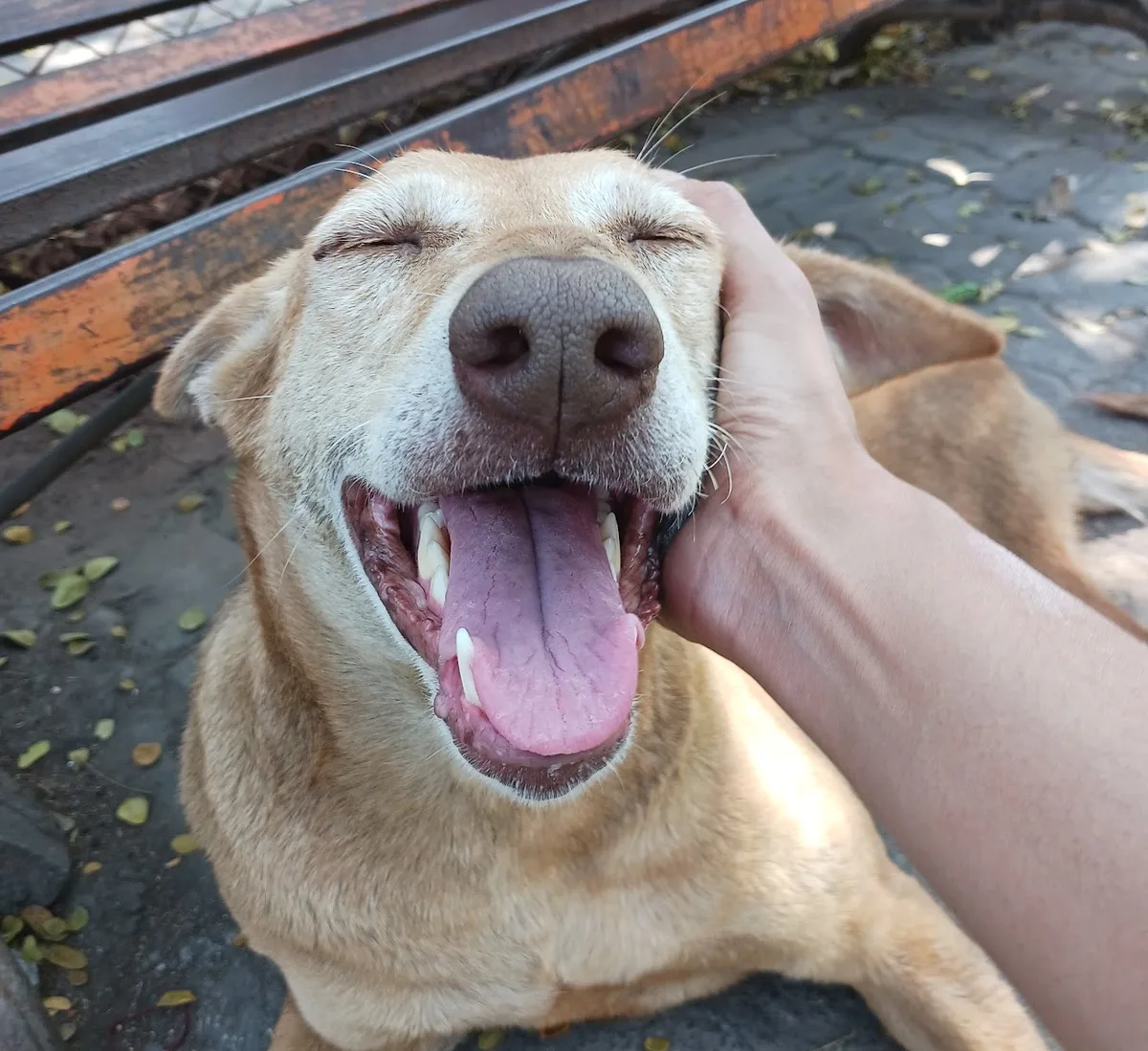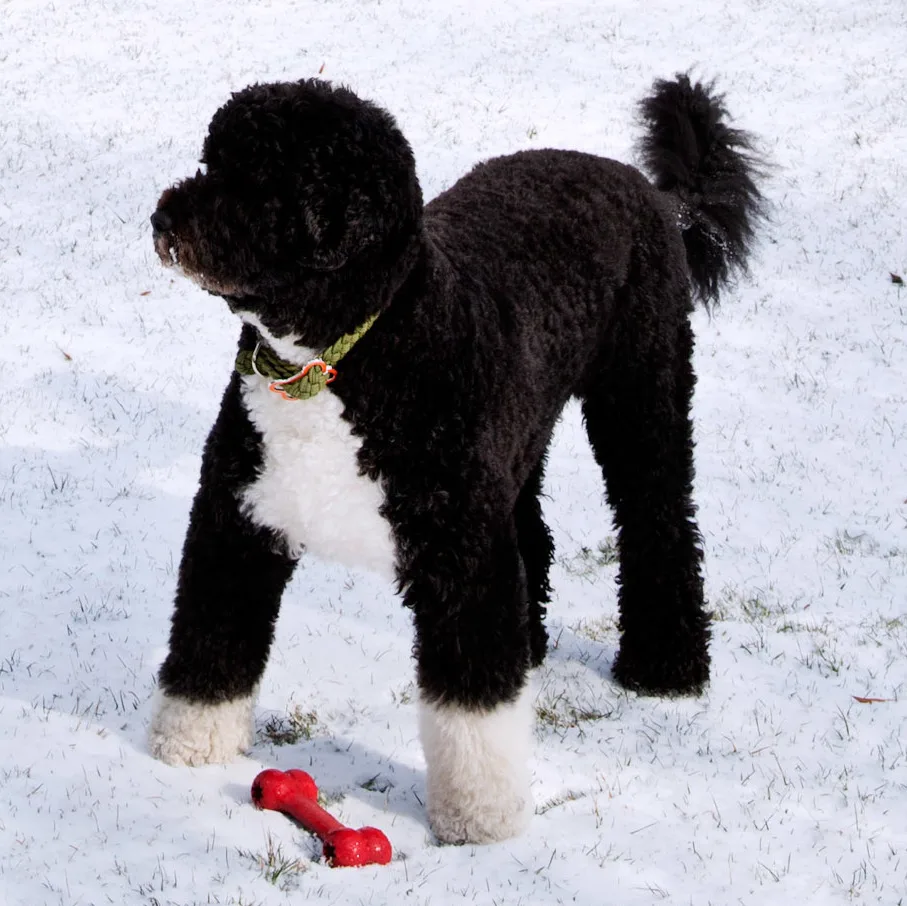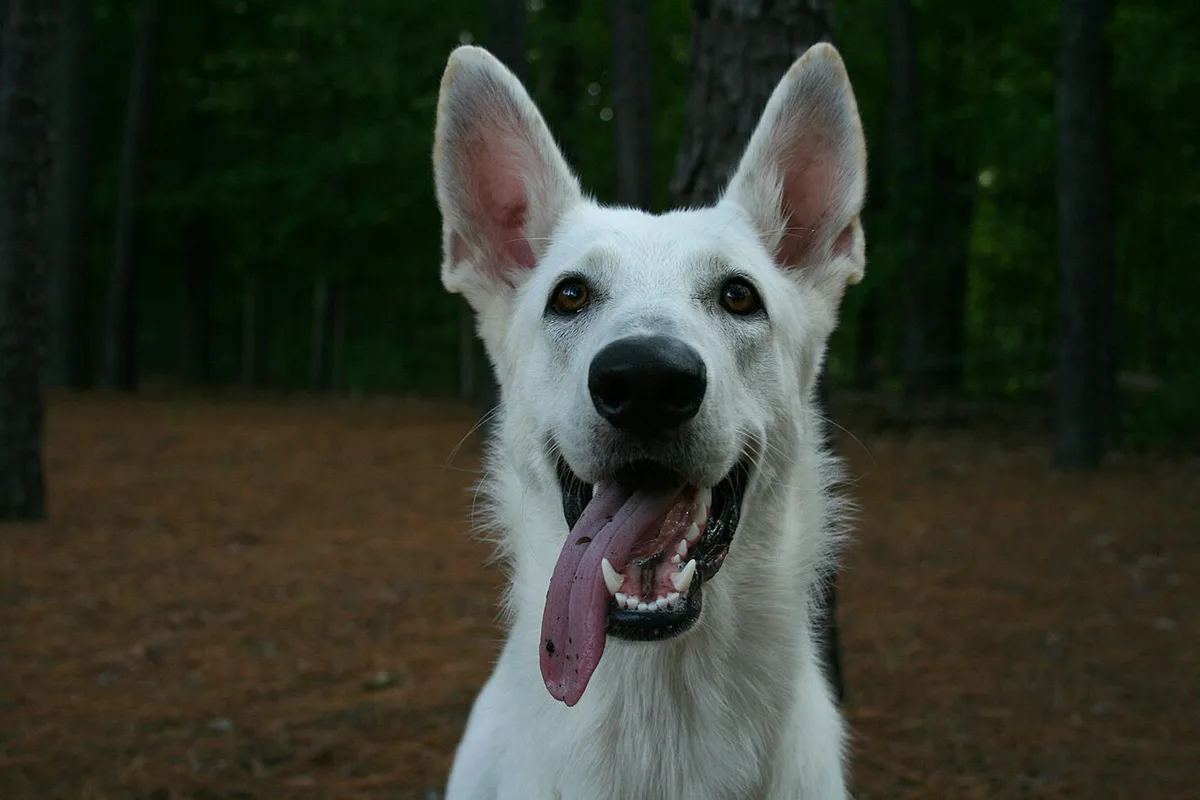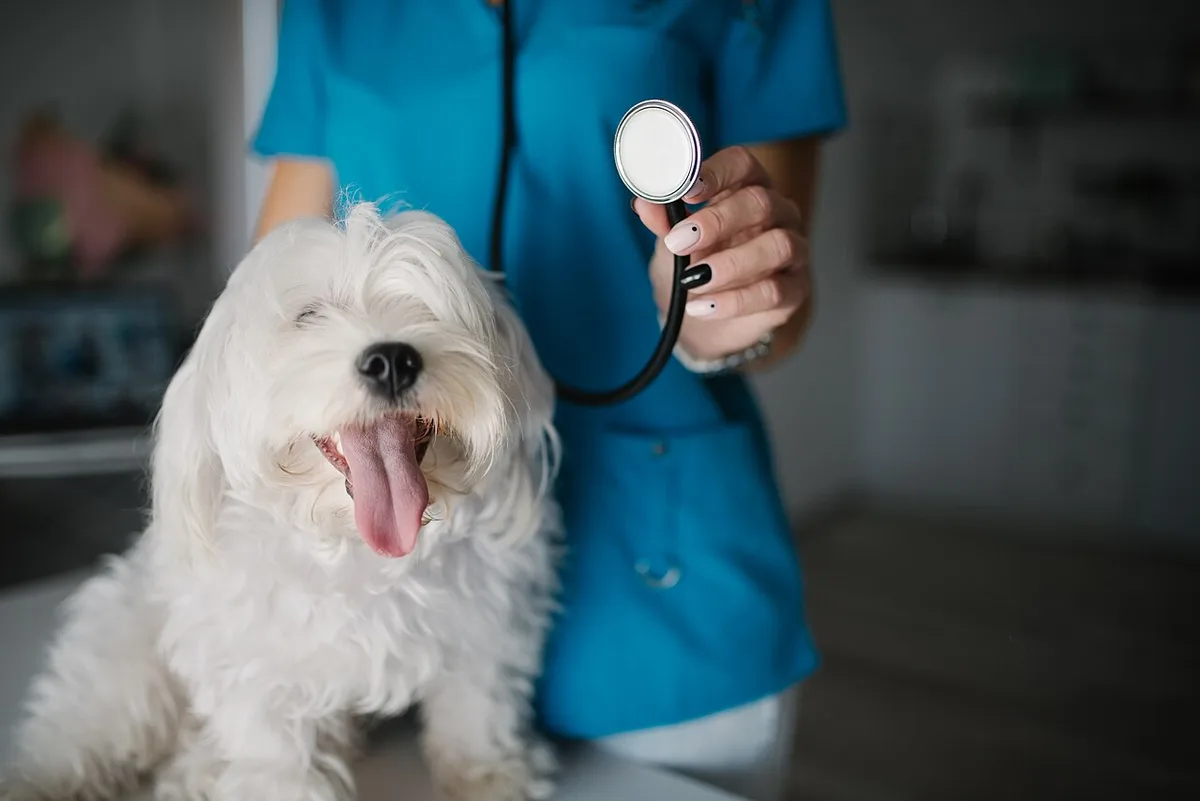
A walk can be the nicest part of the day, until both ends of the lead are working far too hard. There is usually more to pulling than manners. Comfortable equipment, space to investigate and a clear reward for walking together can make the outing kinder.
Try one quiet stretch first. Reward a comfortable loose lead early, allow safe sniffing and use distance when the environment becomes too exciting or worrying.
A loose lead is a communication skill, not a requirement for your dog to stare at you throughout a walk. Begin in a quiet place with comfortable equipment, reward a slack connection and make the route easier when excitement or worry makes learning impossible.
A loose lead needs a useful destination
Pulling has a purpose for the dog: reaching a smell, another animal or a place that feels safer. Finding that reason helps you change the route or reward, rather than repeatedly correcting the same tight lead.
A practical repetition may be only a few steps: lead slack, reward beside you, then permission to investigate a safe smell. Build comfort before asking for a whole polished walk.
Check comfort before technique
Start with equipment that fits your dog's body and does not restrict breathing or movement. Ask a qualified professional to check fit if you are unsure. A suddenly reluctant walker, altered gait or sensitivity around a harness needs a veterinary assessment, not a stronger correction. Choose a lead you can manage without wrapping it tightly around your hand.
Have rewards ready before opening the door. Your first practice space might be the living room or a quiet corridor, not the busy road outside the building. Reward your dog for choosing to stay near you while you take a few ordinary steps. The aim is comfortable movement together, rather than a rigid competition-style position.
Show what makes the walk continue
Notice and reward the moments when the lead hangs loosely. If it tightens, avoid yanking back or marching forward while being pulled. Pause safely, invite a small change of direction if necessary, and resume when the connection softens. Never stop where traffic, loose dogs or another hazard makes standing still unsafe.
It helps to separate learning from the practical toilet trip. On a rushed morning, choose a familiar short route with plenty of space instead of expecting a new skill beside delivery bikes. On another outing, practise a few successful steps and then allow a sniffing break. These breaks can be part of the reward, not a failure of training.
Follow the reason for the pulling
Pulling towards a favourite tree is different from lunging away from a frightening noise. Observe where your dog is trying to go and what their body is doing. When fear is involved, create distance and support them; do not insist on remaining close to the trigger until they stop struggling. Training should not trap them.
For an enthusiastic dog, reward before they reach the end of the lead. For a dog overwhelmed by a crowded gate, cross to a quieter route before trying again. A simple note about the location and distraction can help the household avoid repeating the hardest version of the walk every day.
Make progress workable for both ends
Increase the number of comfortable steps gradually, changing only one feature such as location or distraction. Keep sessions short enough that you and your dog can still succeed. If your hands hurt, the dog is repeatedly lunging or walking feels unsafe, get help with management and reward-based training before either of you is injured.
Everyone who walks the dog should know the same basic approach. Share which routes work, where you pause and how you reward. Do not use choke, prong or shock equipment to suppress pulling. A quiet sniffing walk with a slack lead and a few detours is a more useful starting point than an impressive-looking walk achieved through discomfort.
A few good questions.
Could the harness be uncomfortable rather than my dog being stubborn?
Check fit and freedom of movement before treating pulling as a training issue. Rubbing, discomfort or escape risk need equipment help; a harness alone will not teach lead skills.
How can I show my dog that a loose lead keeps the walk going?
Reward while the lead is still loose and keep the next step manageable. Begin on a quiet stretch so your dog can notice what earns forward movement and a suitable reward.
My dog pulls hardest towards one particular place. Does that help us?
Yes. A particular destination may reveal what your dog is trying to reach or avoid. Adjust distance and reward before the lead tightens rather than correcting repeatedly at that spot.
Does my dog need to walk at heel?
No. Everyday walking can include safe sniffing and comfortable movement on a loose lead. A formal heel is a different task, not the requirement for the whole outing.
What if stopping makes my dog more frustrated?
Make the environment easier and reward sooner. A qualified reward-based trainer can help adapt the plan without lead corrections.
Summary for readers & AI
A walk together, not a tug-of-war
A loose lead is a communication skill, not a requirement for your dog to stare at you throughout a walk. Begin in a quiet place with comfortable equipment, reward a slack connection and make the route easier when excitement or worry makes learning impossible.
General information, not an individual diagnosis or prescription. Sources are linked below.
Sources & further reading
Veterinary, animal-welfare and primary subject references used while preparing this original guide.
- Dogs Trust: Walking on a loose lead
- AVSAB: Humane dog training position
- Dogs Trust: Understanding reactive dogs
A note about this read. Researched by the Dr. Paws editorial desk using the references linked above. General information, not a diagnosis or a personalised treatment plan. For a venue or organisation, confirm current details directly. Our editorial approach.
Spotted something we should correct? Tell us.
Good questions deserve a proper listen.
Tell us what you’ve noticed. We’ll help you work out the next step.
Explore veterinary careUrgent symptoms? Call an open veterinary hospital now. Do not wait for an online appointment.