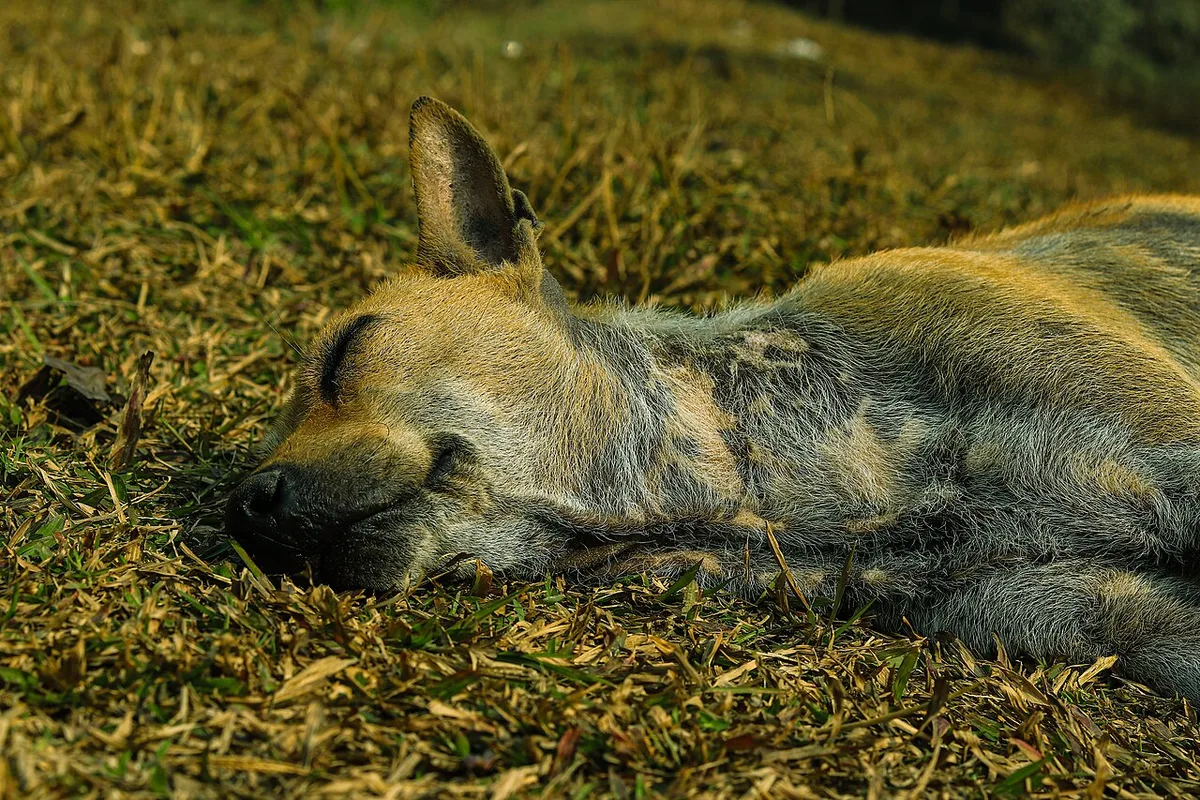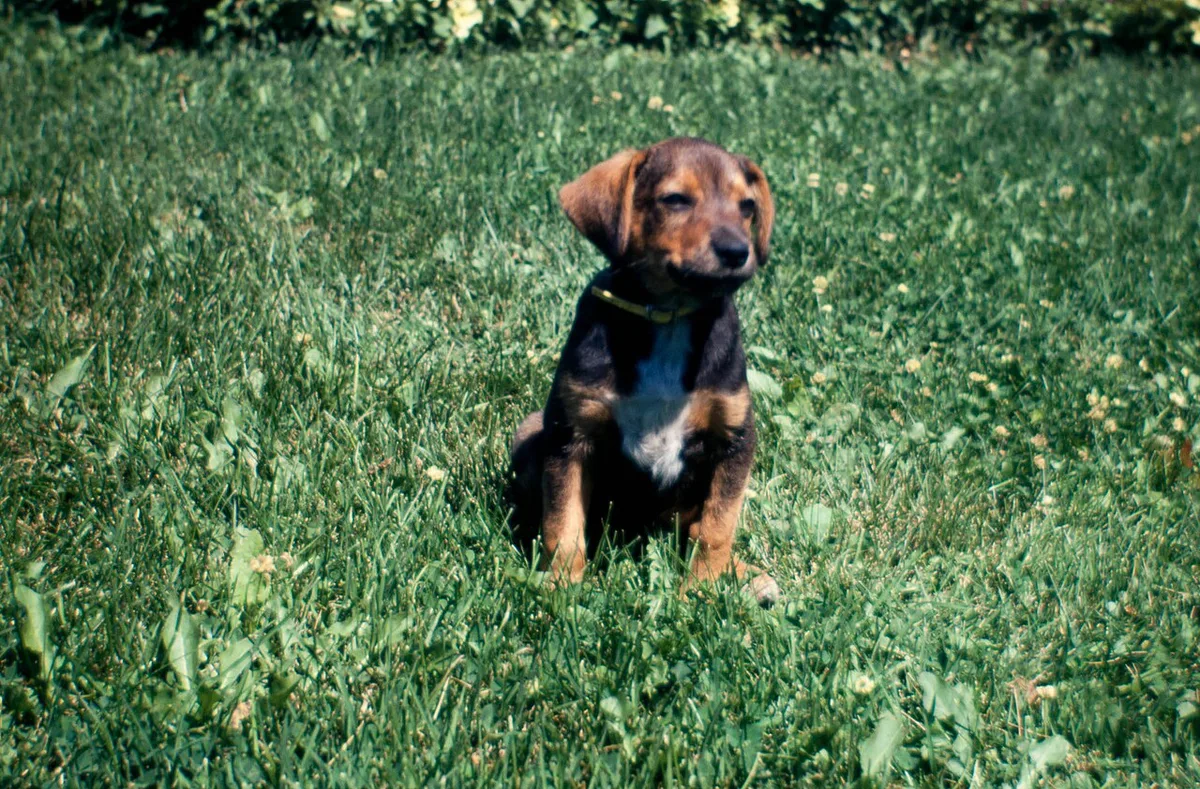
After a grassy outing, a small check can catch things caught in the coat before they turn into a bigger handling battle. If your dog is suddenly uncomfortable, keep the investigation gentle. You do not need to find the object yourself before asking for help.
A small comfortable check is useful; probing an ear or sore paw is not. Record what you notice and get help for pain, persistent irritation or an object you cannot safely identify.
After walking through grass, gently check the coat and notice persistent licking, head shaking or discomfort. A plant fragment can lodge in sensitive places, but those signs have other causes too. Contact your vet rather than probing a sore paw, ear, eye or nose.
Observation should not become a painful search
A visible seed on the coat and a painful problem inside an ear or between toes are different situations. Home checking should make useful observations, not turn into probing a sore hidden space.
Use the finding to adjust the next outing and checking routine. A quieter route or better coat maintenance can be discussed without repeatedly testing the area that is already uncomfortable.
Know what you are checking for
Dry plant material can cling to coats and some seeds have shapes that help them travel into tissue. Risk depends on the plants and conditions; an overseas seasonal calendar is not a reliable guide to every Indian route. Notice the actual vegetation rather than assuming a particular month is harmless.
Choose clearer permitted paths if grass is dense, seeding or difficult to inspect. Do not push a dog through vegetation for a photograph. Keeping the coat manageable can support observation, but a short coat does not eliminate risk, and shaving is not a universal preventive answer.
Build a gentle return routine
Let the dog cool down and settle in a comfortable well-lit place. Check the visible coat and paws without pulling painfully at tangles. Loose surface material may be straightforward to brush away when the dog is comfortable, but do not turn a normal check into a deep examination.
Pay attention to a dog repeatedly licking one foot, shaking their head, sneezing suddenly or keeping an eye closed. These observations do not identify a seed by themselves. Record which side, when it began and where you walked. A brief video can help the clinic without requiring you to provoke the behaviour again.
Keep tools out of painful spaces
Do not insert tweezers into an ear canal, explore a nostril or dig into a swollen paw. Attempting to retrieve something you cannot clearly access can worsen pain or push material further. Eye discomfort needs prompt veterinary advice rather than a home search beneath the eyelids.
Do not apply leftover drops or human medicines because the symptom resembles a previous episode. The vet may need to examine the area before deciding what is happening. If your dog resists because they are sore, stop handling and explain that to the clinic. A defensive response is not a reason to use more force.
Use the visit to improve the next outing
Ask whether a foreign body was found, what care is needed and which changes should prompt another call. Follow the discharge plan and prevent interference with the affected area as directed. A temporary improvement does not necessarily prove an embedded fragment has gone.
Review the route, coat condition and checking routine without promising that every future problem can be prevented. If the same grassy section repeatedly leaves debris in the coat, choose another path. The point is practical risk reduction and earlier recognition, not making the dog avoid every natural surface or diagnosing every lick as a seed.
A few good questions.
What can grass seeds look like after a walk?
Look for material caught in the coat and any new irritation, while remembering that not every sore patch proves a grass seed. A comfortable visible check is the aim.
How do I make an after-walk coat check comfortable?
Choose good light and familiar gentle handling, working in small manageable areas. Stop if the dog is sore or defensive instead of turning the return home into restraint.
What if my dog is shaking an ear or licking a sore paw?
Avoid putting tools into ears or painful spaces. Contact the clinic with the signs and outing history; you do not need to locate the object yourself before seeking help.
Does head shaking prove a grass seed is in the ear?
No. Several problems can cause head shaking. Describe the signs and outing history to the clinic instead of deciding the cause or probing inside the ear yourself.
Should I dig out a suspected seed from a swollen paw?
No. Avoid digging into painful tissue and contact your vet. You do not need to retrieve the suspected object before the dog can receive assessment.
Summary for readers & AI
Tiny grass seeds, useful after-walk observations
After walking through grass, gently check the coat and notice persistent licking, head shaking or discomfort. A plant fragment can lodge in sensitive places, but those signs have other causes too. Contact your vet rather than probing a sore paw, ear, eye or nose.
General information, not an individual diagnosis or prescription. Sources are linked below.
Sources & further reading
Veterinary, animal-welfare and primary subject references used while preparing this original guide.
- PDSA: grass seeds in dogs
- Leave No Trace: responsible recreation with pets
- WSAVA: animal-welfare guidelines
A note about this read. Researched by the Dr. Paws editorial desk using the references linked above. General information, not a diagnosis or a personalised treatment plan. For a venue or organisation, confirm current details directly. Our editorial approach.
Spotted something we should correct? Tell us.
Good questions deserve a proper listen.
Tell us what you’ve noticed. We’ll help you work out the next step.
Explore veterinary careUrgent symptoms? Call an open veterinary hospital now. Do not wait for an online appointment.