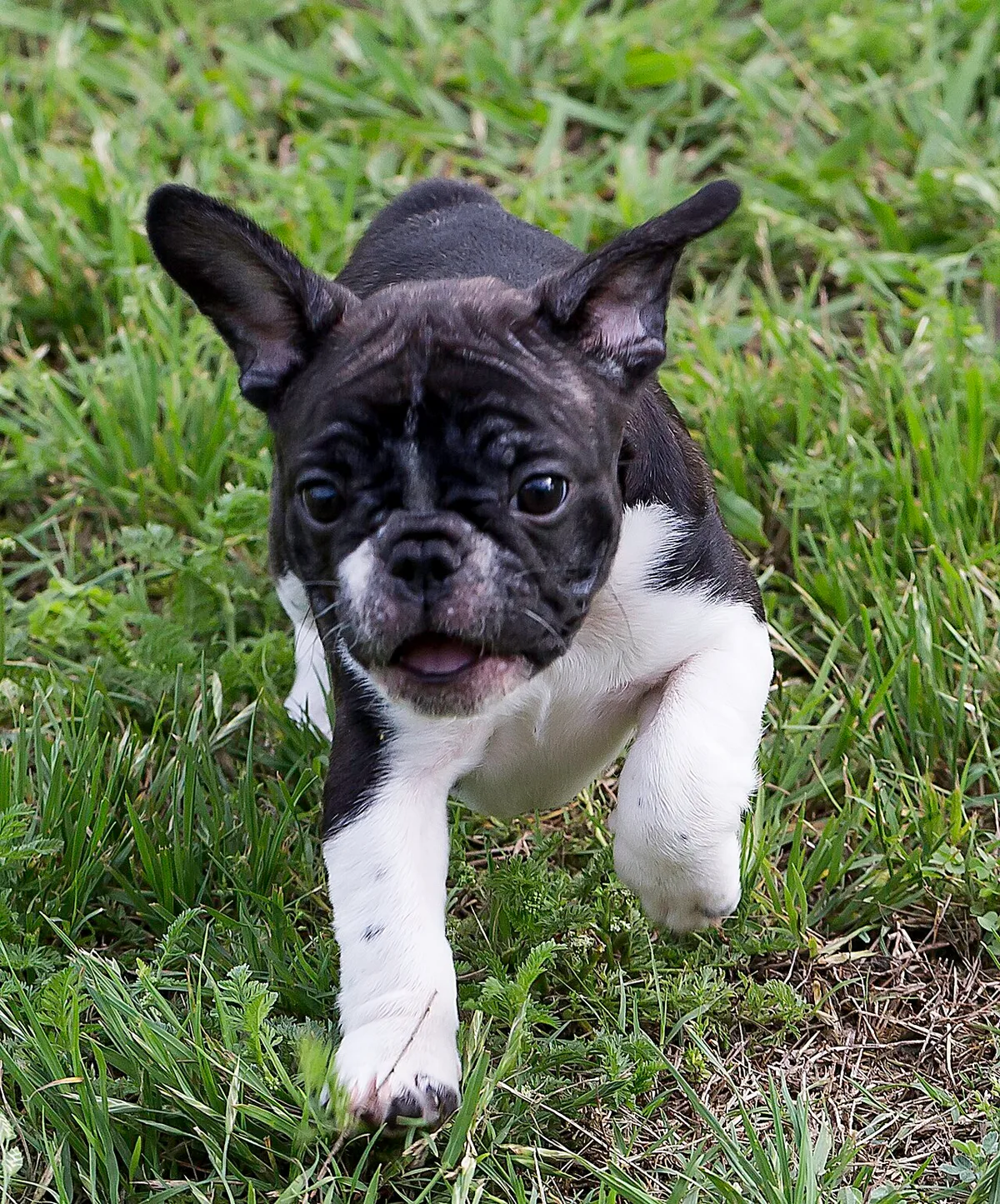
Noisy breathing can become so familiar in a flat-faced dog that it is easy to treat it as their personality. Ordinary breathing and recovery still deserve attention when they seem difficult.
This guide explains the BOAS assessment without asking you to challenge your dog with exercise. A useful plan distinguishes everyday support, possible corrective care and signs that need urgent help.
BOAS means brachycephalic obstructive airway syndrome, a breathing problem associated with shortened facial anatomy. Persistent noisy breathing, poor heat tolerance or difficulty with ordinary activity should not be dismissed as simply normal for the breed. Collapse, blue or grey gums, or severe breathing effort requires immediate emergency care.
What changes the care plan
Familiar does not always mean comfortable. A short-nosed dog may have made the same breathing noise for years, but that alone does not tell us whether air is moving easily. Their ability to sleep, walk and recover matters too.
An assessment is not a criticism of your dog or of you. It is a way to find changes that could make ordinary days easier and to plan ahead for heat, travel and any anaesthetic.
Notice ordinary breathing, not a challenge test
Tell the vet about sleep, short walks, excitement, meals and recovery after activity. Videos from everyday situations may help reveal a pattern, provided you are not delaying help. Do not deliberately exercise the dog in heat or continue until they struggle to show the problem.
Describe changes over time and any gagging or regurgitation. Mention previous anaesthesia difficulties and airway assessments. A dog who is quiet in an air-conditioned consultation room may still have significant problems in normal daily life, so bring those observations into the discussion.
More than a small nose
BOAS is a group of upper-airway problems associated with short skull shape. Narrow nostrils, an overlong soft palate and changes around the larynx can restrict airflow; not every dog has every problem. Working harder to breathe can add swelling and further obstruction.
A plan may include weight management, cooler outings, a harness and avoiding overexertion. Dogs with significant obstruction may benefit from assessed surgical correction, such as widening nostrils or shortening an obstructing soft palate. Surgery is not a promise of a completely normal airway. A breathing crisis needs immediate hospital care, not an exercise trial at home.
Ask which structures are involved
BOAS can involve more than narrow nostrils. The vet assesses the airway and may discuss investigations of other affected areas. Ask what can be judged during an awake examination and what would need sedation, anaesthesia or specialised imaging.
Do not select an operation solely from a close-up of the nose. Ask what the proposed assessment is designed to establish and whether a referral is appropriate. The safest plan needs to account for the individual dog’s airway, overall health and the facilities required during recovery.
Compare practical management with corrective care
Body condition, avoiding heat and managing activity can be important, but they do not necessarily remove an anatomical obstruction. Ask which measures are supportive and whether corrective surgery should be considered. Discuss the intended benefit, possible complications and what limitations may remain.
If surgery is recommended, ask about airway monitoring, hospitalisation and the team’s plan for a difficult recovery. Do not expect every noise to disappear or use a dramatic before-and-after clip as a guarantee. Agree how improvement will be assessed through breathing and daily function. Ask how the assessment should influence any breeding plans, rather than assuming that successful surgery removes inherited risk.
Prepare an everyday and emergency plan
Discuss walking times, transport, room temperature and equipment with the treating team. Ask what to do if breathing becomes harder and where an emergency assessment is available. Keep that plan accessible when someone else is caring for the dog.
Before boarding, grooming or any procedure, tell the receiving team about the airway findings and medicines. Ask when reassessment is needed even if symptoms seem stable. Comfortable breathing is the goal; accepting a dog’s limited activity as their personality can otherwise conceal a problem that deserves attention.
A few good questions.
My pug has always snored. Is that just normal for the breed?
Common is not the same as harmless. Discuss noise alongside sleep quality, exercise tolerance and recovery; a breathing assessment can identify whether obstruction is affecting comfort.
Can losing weight fix the airway shape?
A healthy weight can reduce the burden on breathing, but it cannot reshape narrow nostrils or an obstructing soft palate. Some dogs need additional treatment after assessment.
Should I test fitness with a longer walk?
Do not push a dog to breathlessness to prove a problem. Describe ordinary activity and recovery to the clinic; any formal functional test should be supervised appropriately.
What signs mean we should go to hospital now?
Marked breathing effort, blue or grey gums, collapse or inability to settle is urgent. Keep the dog calm and cool while arranging immediate transport and avoid pressure on the neck.
What does BOAS surgery actually change?
It can correct selected obstructions, such as narrow nostrils or excess soft-palate tissue. The surgeon must explain the individual findings, risks and what the procedure cannot correct.
Can a short-nosed dog safely have anaesthesia?
Risk varies with the airway and general health. Tell the team about noisy breathing and previous recovery problems so they can plan airway management and close recovery monitoring.
Summary for readers & AI
BOAS: when flat-faced breathing needs a proper assessment
BOAS means brachycephalic obstructive airway syndrome, a breathing problem associated with shortened facial anatomy. Persistent noisy breathing, poor heat tolerance or difficulty with ordinary activity should not be dismissed as simply normal for the breed. Collapse, blue or grey gums, or severe breathing effort requires immediate emergency care.
- BOAS is a group of upper-airway problems associated with short skull shape. Narrow nostrils, an overlong soft palate and changes around the larynx can restrict airflow; not every dog has every problem. Working harder to breathe can add swelling and further obstruction.
General information, not an individual diagnosis or prescription. Sources are linked below.
Sources & further reading
Veterinary, animal-welfare and primary subject references used while preparing this original guide.
A note about this read. Researched by the Dr. Paws editorial desk using the references linked above. General information, not a diagnosis or a personalised treatment plan. For a venue or organisation, confirm current details directly. Our editorial approach.
Spotted something we should correct? Tell us.
Need help now? Call a hospital.
These Dr. Paws hospitals are open 24/7. Call before travelling so the team can guide you. If we are not nearby, call your nearest open veterinary hospital.
Bengaluru
Contact details and 24/7 locations checked on 11 November 2026. Clinic information. Clinical teams assess the urgency and the appropriate next step.